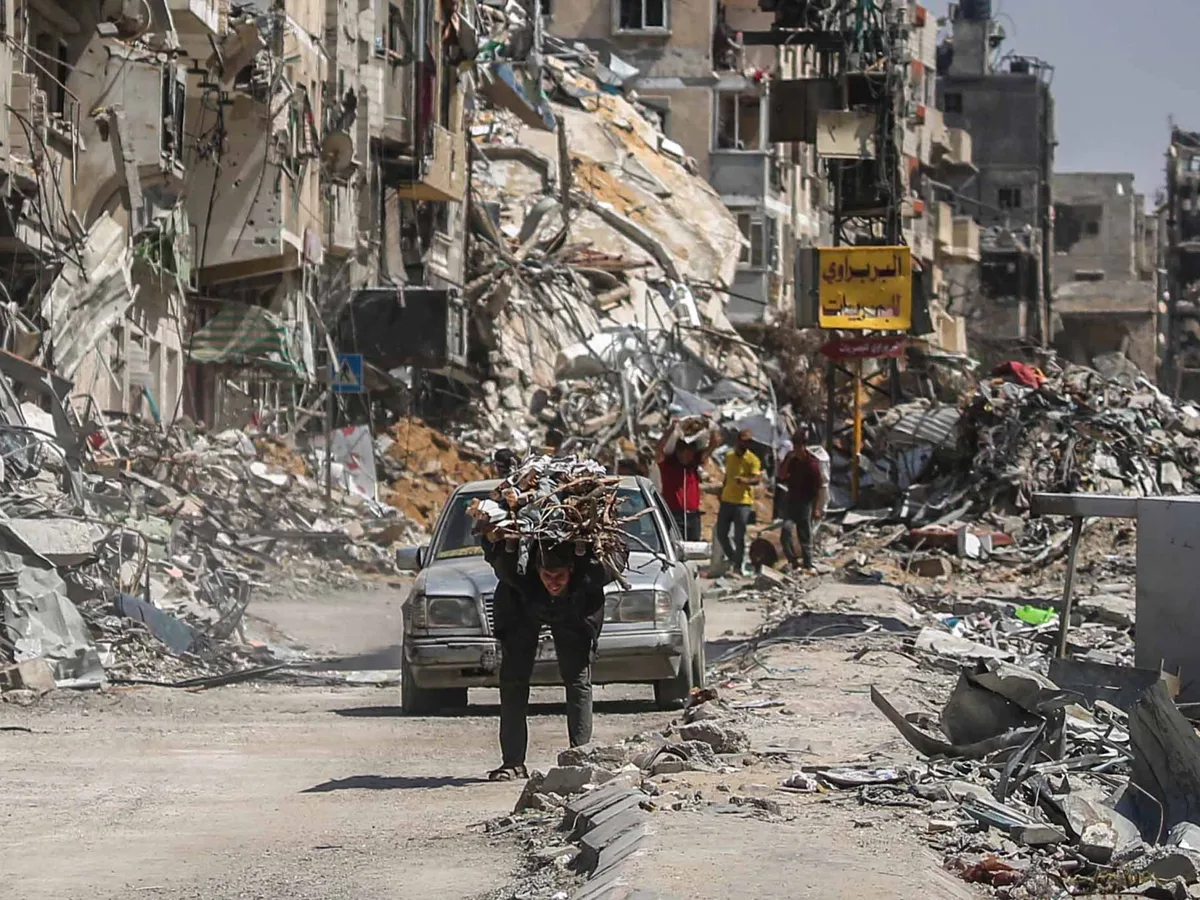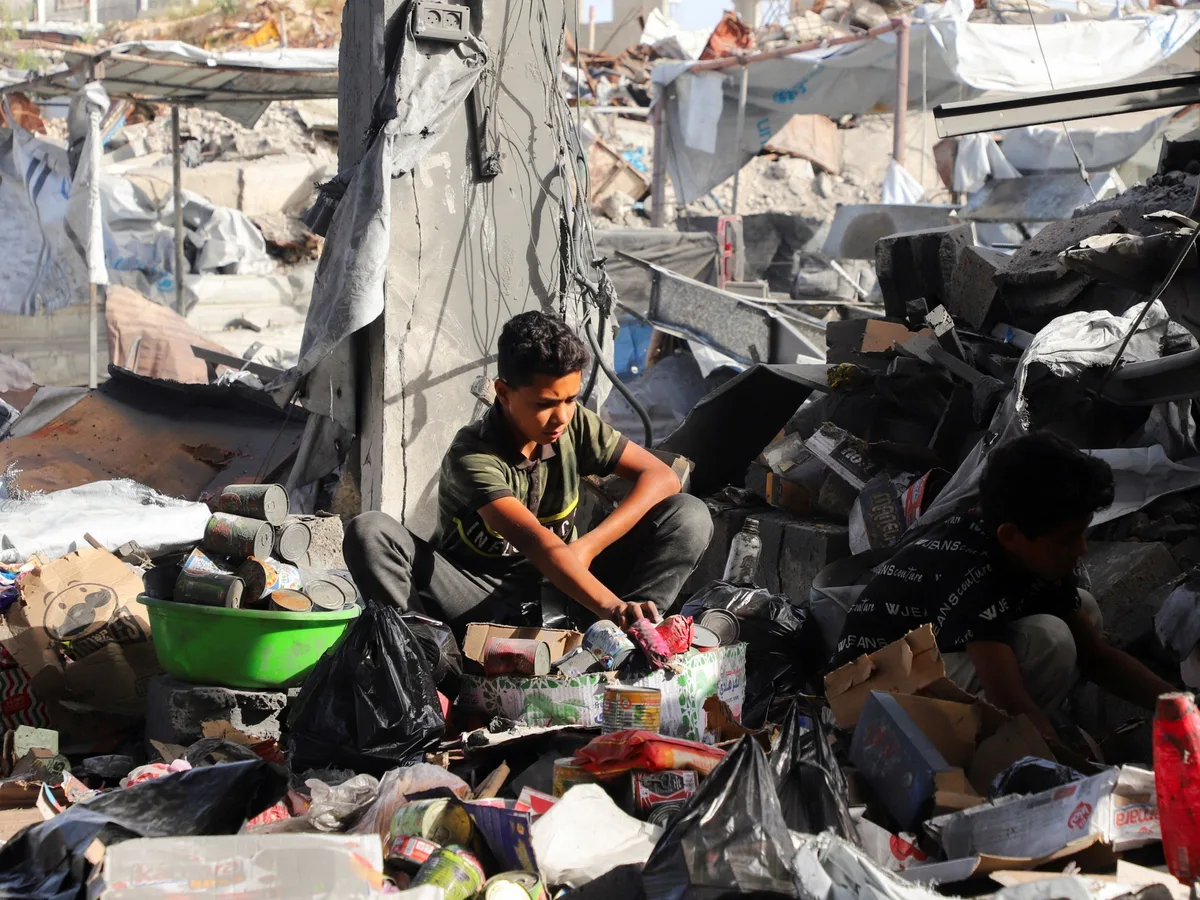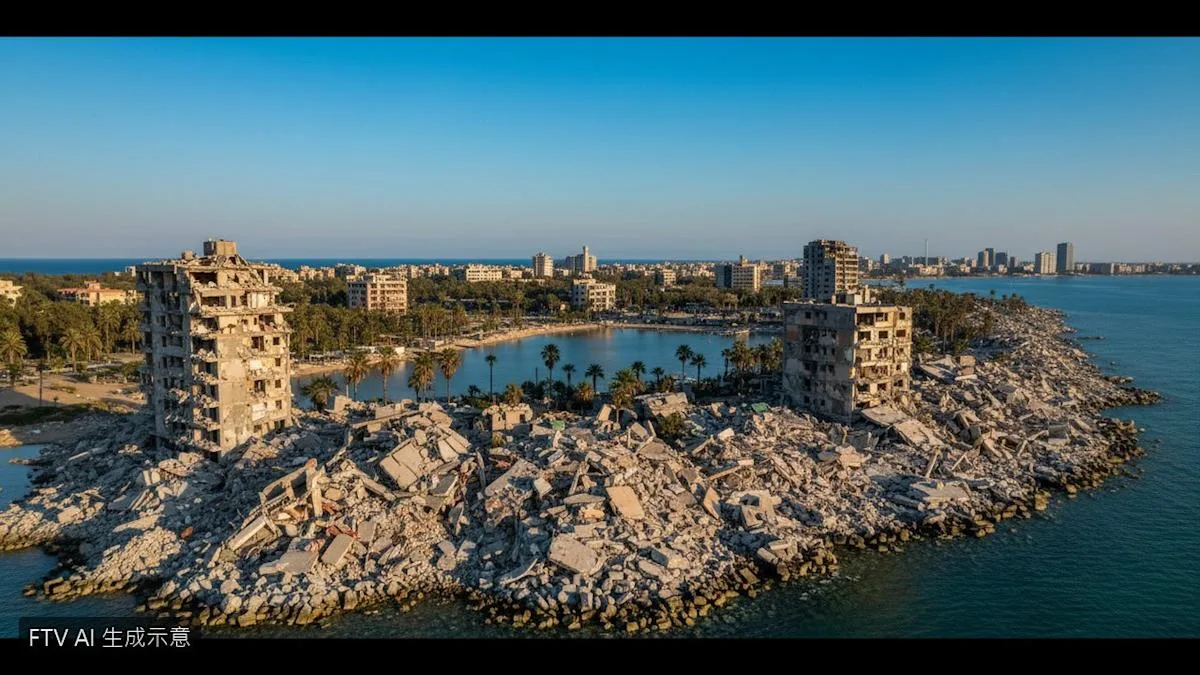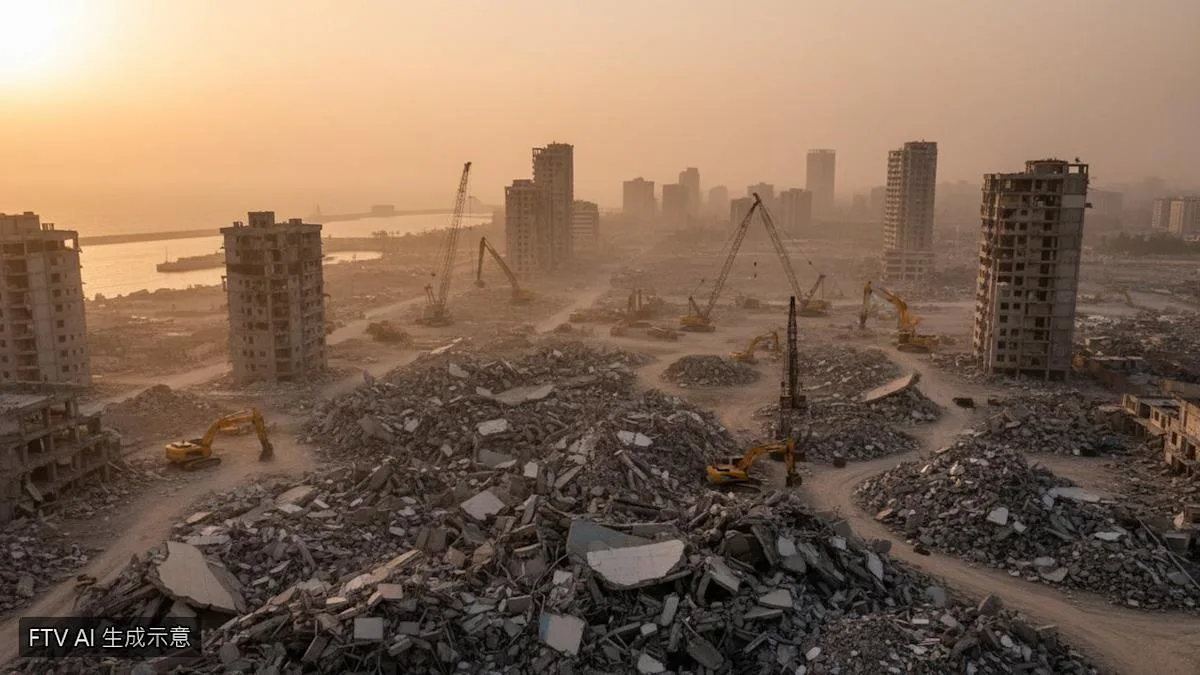
Trump’s Board of Peace, established to oversee Gaza’s $70 billion reconstruction, reported a significant gap between pledged funds and actual disbursements on May 15 in a UN Security Council report [1, 2, 3, 4]. The board noted $17 billion had been pledged by member states, including the U.S., Saudi Arabia, UAE, Qatar, Morocco, Uzbekistan, and Kuwait, but much of that money remained undelivered on the ground [1, 2, 3, 4]. The report said, “Funds committed but not yet disbursed represent the difference between a framework that exists on paper and one that delivers on the ground for the people of Gaza” [2].
About 85% of Gaza’s buildings and infrastructure have been destroyed, with over 70 million tonnes of rubble still needing clearance before rebuilding can properly begin [2, 3, 4]. The board called urgently for closing the funding gap, warning the shortfall threatens progress on reconstruction and the operation of the new U.S.-backed transitional Gaza government [1, 2, 5, 3, 4].
The board rejects claims of severe funding constraints. It denies media reports from April that said only a small portion of pledged money had been received, stating it has “no funding constraints” and calls capital as needed [1, 2, 4]. However, experts say donors hesitate due to the board’s controversial structure, lack of political vision for Palestine, and ongoing Israeli military actions [5]. Moath al-Amoudi, a Palestinian aid expert, said, “Out of the $17bn pledged, the actual liquidity that has reached the ground is zero. Donors are terrified of engaging with a board that carries no political vision and treats Gaza merely as an American security protectorate” [5].
Some European and Asian countries prefer traditional UN aid mechanisms over the Trump-led board due to concerns about transparency and governance [3, 4]. The board’s charter requires $1 billion payments for permanent seats, with others limited to three-year member terms, but payments remain unclear [3, 4].
Since the ceasefire in October 2025, Israeli troops remain near Gaza and have conducted air strikes, while Hamas refuses to disarm, complicating stabilization and reconstruction efforts [1, 2].
Media reports on May 19 echoed the funding concerns raised by the board earlier in the week [1, 2, 5, 3, 4]. Trump’s Gaza envoy Nickolay Mladenov is scheduled to brief the UN Security Council on reconstruction progress on May 21 [4].