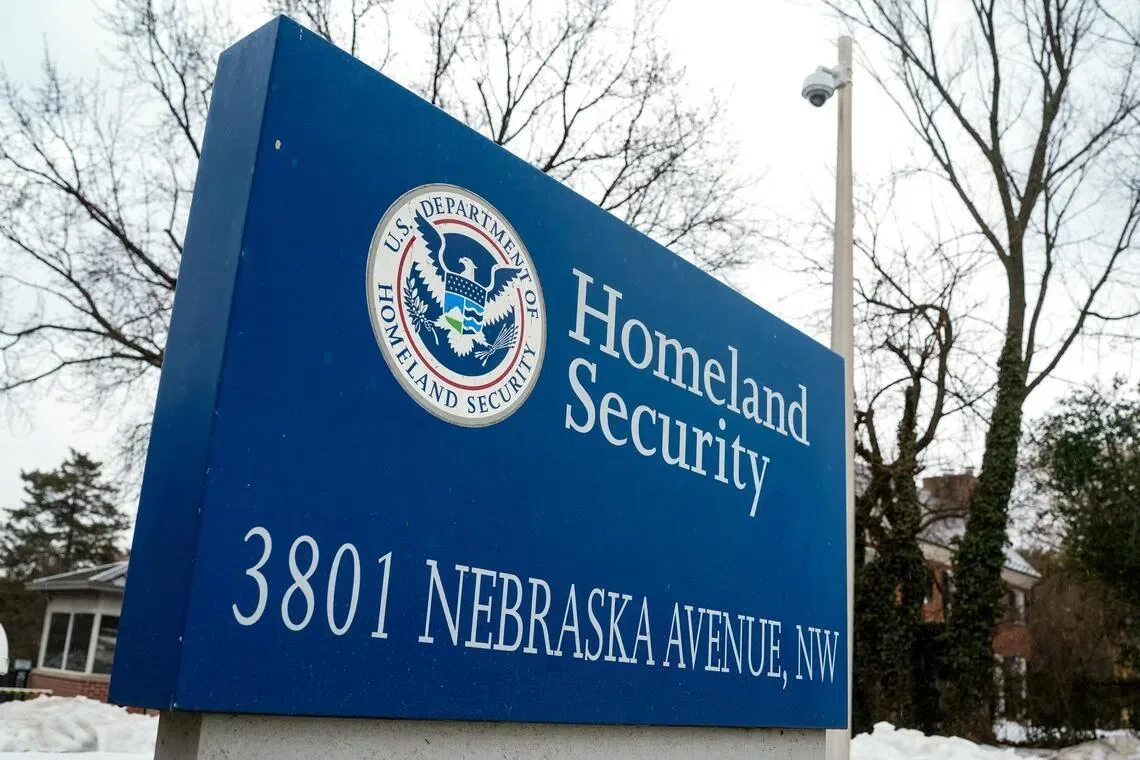
On May 22, the U.S. Citizenship and Immigration Services (USCIS) announced that most Green Card applicants temporarily residing in the United States must return to their home country to complete their application, except in "extraordinary circumstances," marking a sharp shift in immigration policy [1, 2, 3, 4]. Trump administration spokesman Zach Kahler said, "From now on, an alien who is in the US temporarily and wants a Green Card must return to their home country to apply, except in extraordinary circumstances" [1].
The announcement caused widespread concern among millions of immigrants pursuing permanent residency, as well as confusion and fear due to unclear guidelines on which applicants would be affected and how exceptions would be applied [1, 5, 6, 3, 7, 4]. Some immigration lawyers reported questioning of applicants already underway about why they remained in the US instead of applying overseas [6].
However, on May 29, the Department of Homeland Security (DHS) issued a clarification that the policy would not apply uniformly to all applicants but would be enforced on a case-by-case basis [1, 5, 6, 8, 2, 3, 7, 4]. DHS emphasized that immigration officers have long held discretionary authority to require some applicants to leave the US for consular processing abroad [1, 6, 2]. An unnamed official said, "This policy will not prevent any alien from obtaining a green card who legitimately and properly qualify. It will result in some aliens who do not merit the discretionary benefit ultimately applying with the Department of State overseas" [1].
The official added the policy "will have no noticeable impact on highly qualified applicants and skilled professionals who have followed the law" [1]. Skilled workers and law-abiding applicants will generally not be required to leave the US [1, 5, 8, 3, 7, 9, 4]. Conversely, certain groups, such as those who have overstayed visas or come from countries with high use of public benefits, are more likely to be required to apply from abroad [6, 2].
U.S. immigration policy has for years allowed over 1 million Green Cards to be issued annually, with more than half of applicants typically adjusting status from inside the country without leaving [1, 5, 2, 3, 7, 4]. Adjustment of status permits eligible noncitizens in the US, including those on H-1B or L visas, to apply for permanent residency without returning home [2, 9]. The recent policy restates longstanding law and enforcement practice that was relaxed during the Biden administration [1, 5, 8, 3, 7, 4].
Sarah Pierce of the Third Way think tank said the public backlash shoved the administration "to scramble to clean up the mess" and criticized the policy as relying on "shock and awe, not on what is best for the country" [6].
On May 30, an unnamed U.S. official reiterated that the policy reflects longstanding law ignored under the previous administration and expects limited impact on qualified applicants [1, 5, 8, 3, 7, 4].
The Department of Homeland Security will continue reviews on a case-by-case basis to determine who must leave the US to apply overseas and who may adjust status within the country.