US and Iran are close to signing a memorandum of understanding that would end their conflict and reopen the strategic Strait of Hormuz, vital for 20% of global oil and LNG shipments before clashes began, sources said in late May [1, 2, 3] [4, 5].
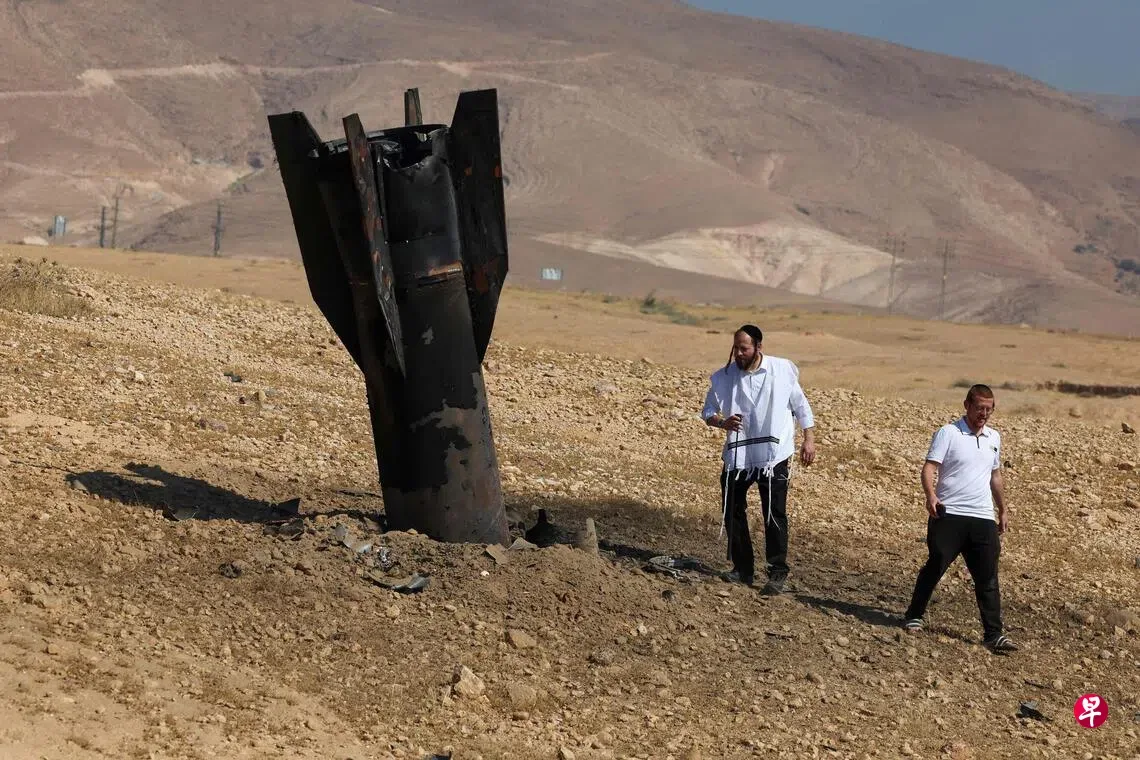
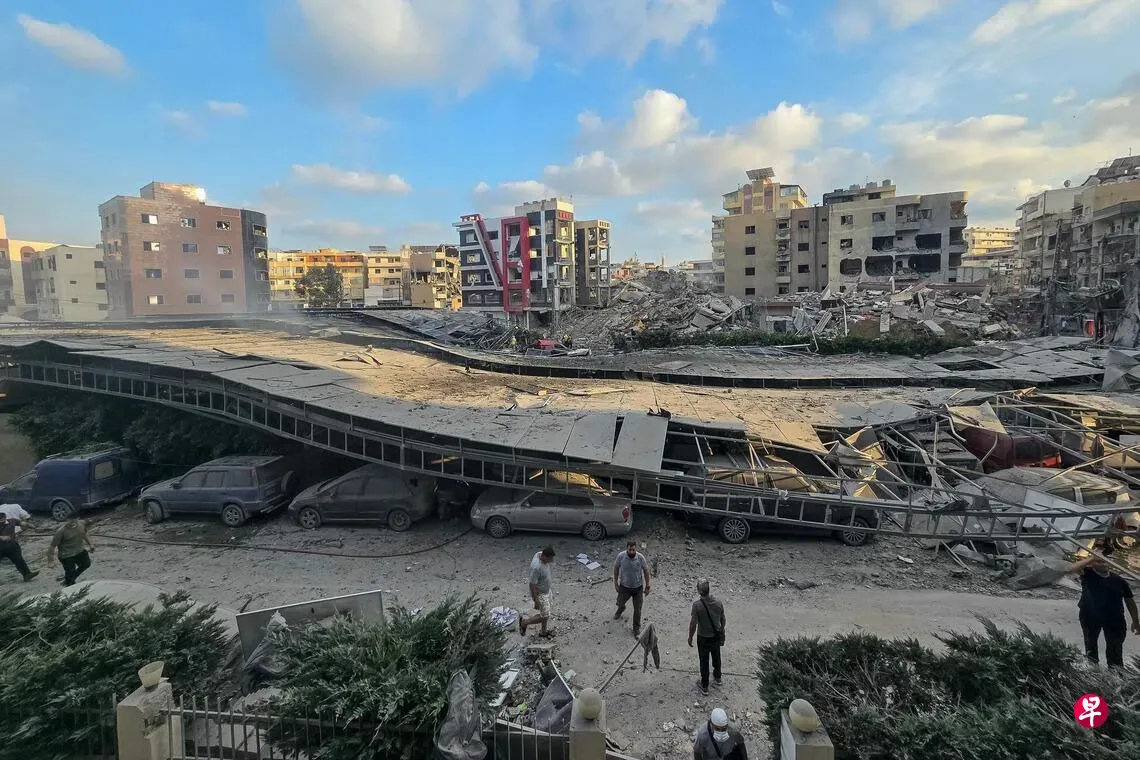
The conflict started on February 28 when US and Israeli forces launched strikes against Iran, prompting Iranian retaliatory attacks and a blockade of the Strait of Hormuz [4, 5]. A ceasefire was agreed on April 8 and has largely held, though negotiations have stalled at times [4, 5].
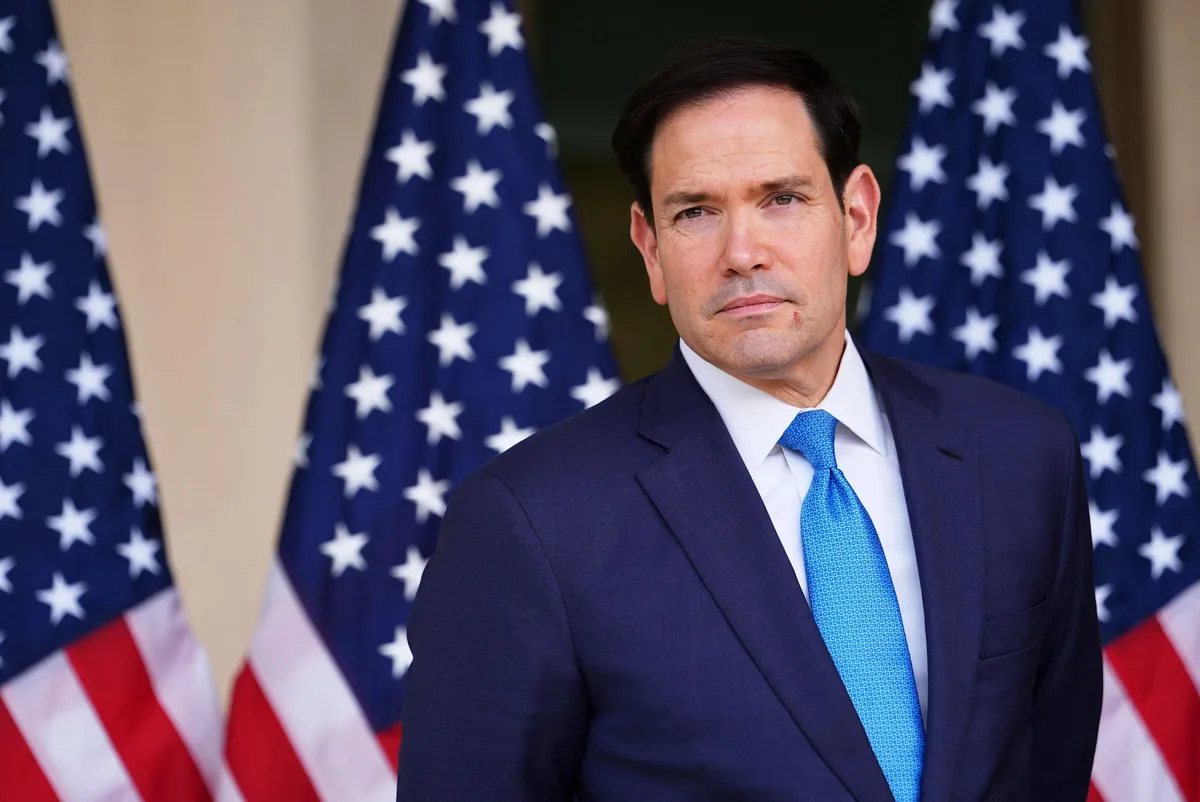
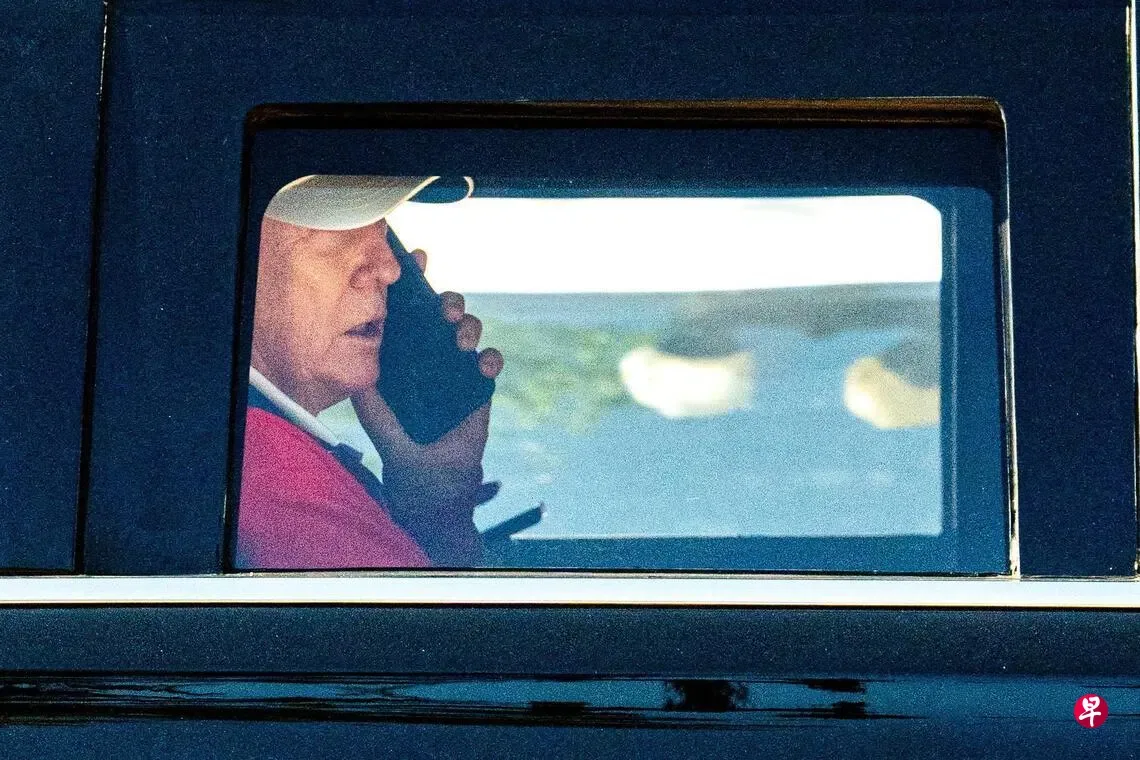
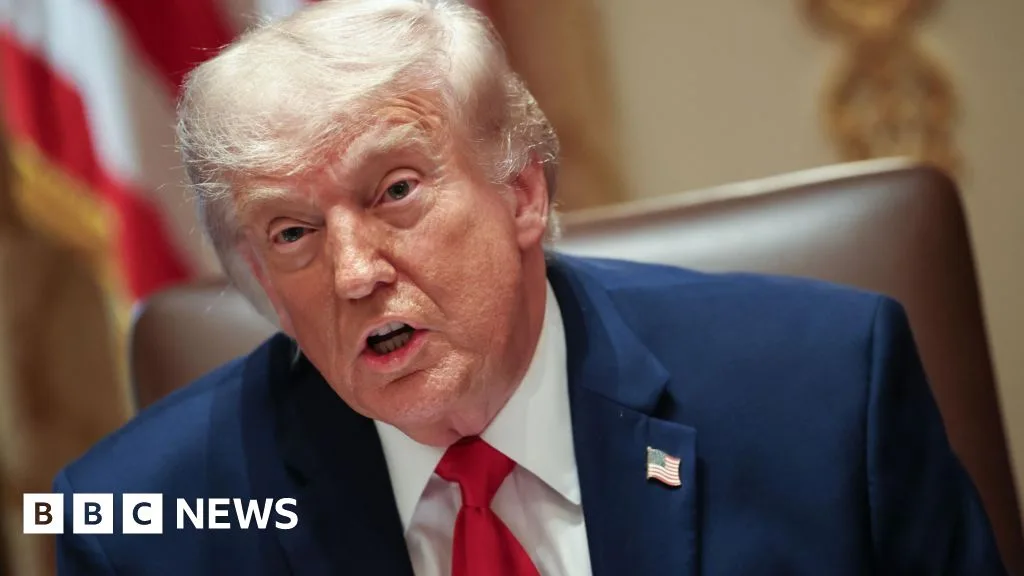
In response to requests from Gulf states Qatar, Saudi Arabia, and the UAE, President Donald Trump postponed a planned military strike around May 19 and has warned US negotiators against rushing an agreement, stating the blockade will remain until a deal is signed and certified [5, 6, 7, 3]. He said, "They just want to make a deal—I don't think they have a choice. They're negotiating on fumes... We're not satisfied with it" [4]. Trump also said, "If we can make a deal without blowing them to smithereens, I’d be very happy" [5].
The draft deal proposes a 60-day ceasefire during which the Strait would stay open without tolls, the US blockade would be lifted, and Iran would clear mines from the waterway [2, 3]. However, Iran insists it will retain full control over managing the Strait and regulating navigation even if the agreement is signed [2]. US officials say Iran agreed "in principle" to open the Strait and remove highly enriched uranium, though details are still being negotiated [3].
Core issues remain around Iran’s nuclear program. The US demands Iran dismantle its nuclear weapons capability and remove enriched uranium. Iran denies agreeing to give up its uranium stockpile or make concessions at this stage [1, 2, 8, 9, 3]. Israeli Prime Minister Benjamin Netanyahu stressed, "Any final agreement must eliminate the nuclear threat from Tehran," calling for removal of nuclear enrichment facilities and materials [9]. Iranian negotiator Mohsen Kalibaraf warned that Washington seeks Iran's surrender and vowed Tehran "will never succumb to intimidation" [10].
International leaders including UK Prime Minister Keir Starmer and Pakistan Prime Minister Sharif have voiced support for the peace talks. Starmer said he welcomed progress toward an agreement to restore open, unrestricted passage through the Strait but insisted Iran must be prevented from developing nuclear weapons [11, 1].
Oil prices fell sharply on May 25 amid reports of the potential deal and reopening of the Strait [12].
The next round of talks may produce a formal preliminary agreement dubbed the "Islamabad Declaration," signaling further progress between Washington and Tehran [2].