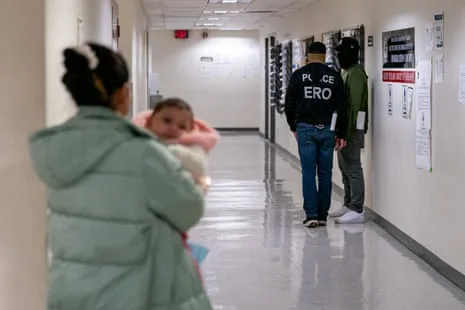
A federal appeals court ruled 2-1 on June 23, 2026, to overturn a lower court injunction and allow the Trump administration to expand expedited removal, the fast-track deportation process, across the United States [1, 2, 3, 4, 5]. The policy now applies to non-citizens apprehended anywhere in the country who cannot prove at least two years of continuous residence [1, 2, 3, 4, 5]. Previously, expedited removal was limited to immigrants caught near the border [1, 2, 3, 4, 5].
The expanded policy first began in January 2025 during the Trump administration’s return to office, reflecting a similar policy enacted in 2019 but later rescinded by the Biden administration [1, 2, 3, 4]. The initial nationwide expansion faced a legal setback in August 2025 when U.S. District Judge Jia Cobb blocked it, citing constitutional due process violations [1, 2, 3, 4, 5].
The appeals court ruling was authored by Judge Justin Walker, a Trump appointee, who said the government may "expand expedited removal to the maximum extent allowed by Congress" and migrants retain a meaningful chance to object to removal [2, 3, 4, 5]. He wrote, "They do not show that the challenged directives deprive aliens of a meaningful opportunity to be heard." However, Judge Robert Wilkins, appointed by Obama, dissented. He argued that the policy lacks adequate due process protections, especially for migrants caught in the interior who are not even asked how long they have lived in the U.S. [2, 3, 5].
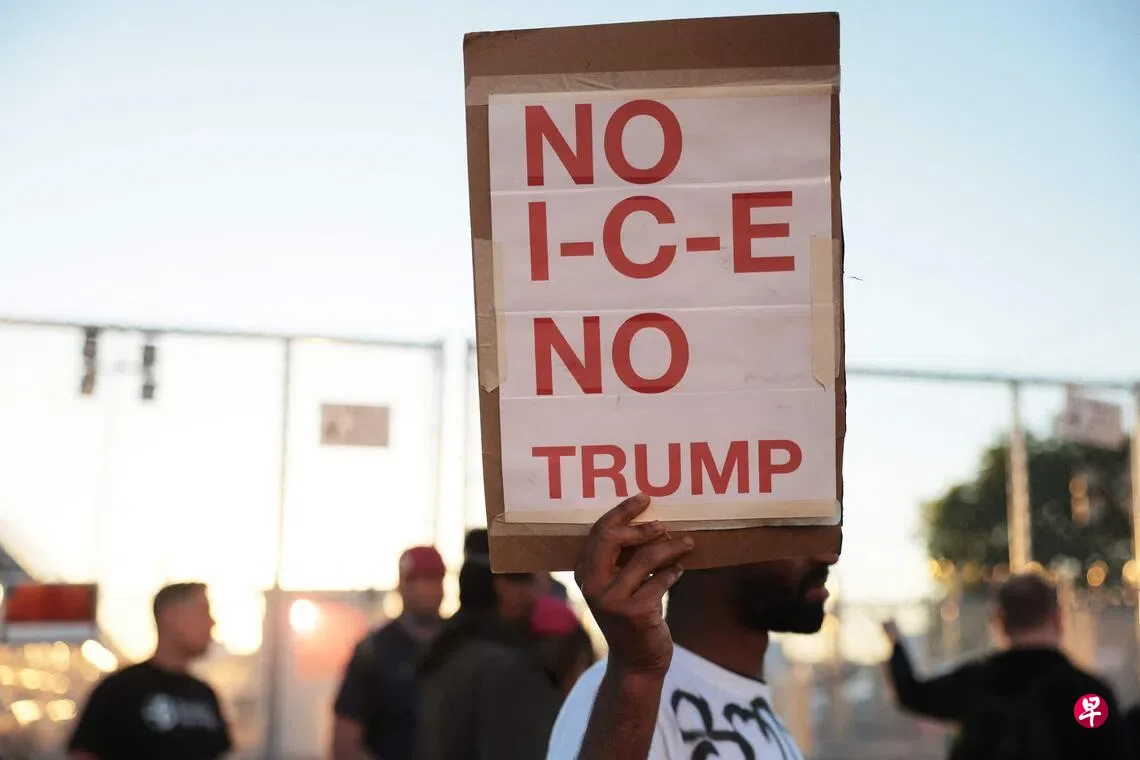
James Percival, general counsel for the Department of Homeland Security, praised the ruling, saying it "vindicated our decision to apply the law as written" [2, 3, 4, 5]. Immigrant advocacy groups including Make the Road New York and the ACLU criticized the expanded deportation policy as harmful [1, 2, 5].
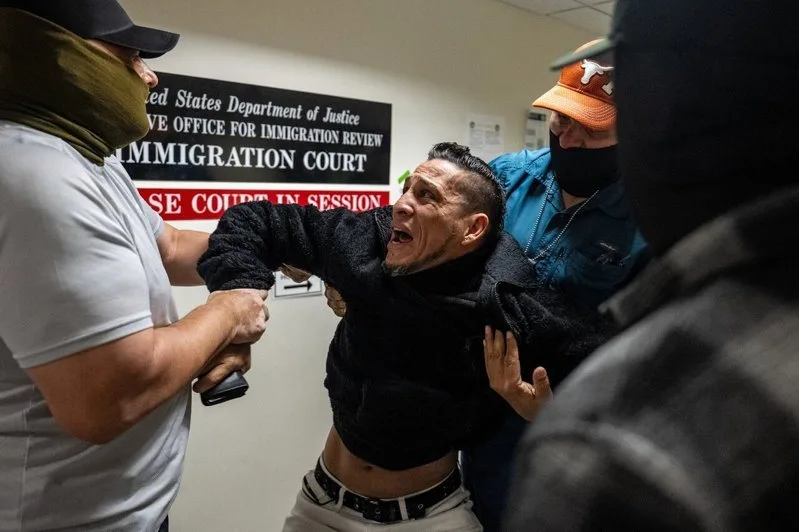
Separately on June 23, a federal judge in California, P. Casey Pitts, blocked a Trump administration policy allowing Immigration and Customs Enforcement (ICE) officials to arrest immigrants in immigration courts nationwide [6, 7, 8, 9]. Judge Pitts ruled those arrests are "arbitrary, unreasoned," and create a "chilling effect" that harms immigrants’ ability to attend hearings [6, 7, 8, 9]. He restored Biden-era limits restricting arrests in immigration courts to narrow cases involving national security or imminent threats, and short-term detention remained capped at 12 hours [6, 7, 8, 9]. The Trump administration had rescinded these limits and extended detention time to 72 hours [6, 7, 8, 9].
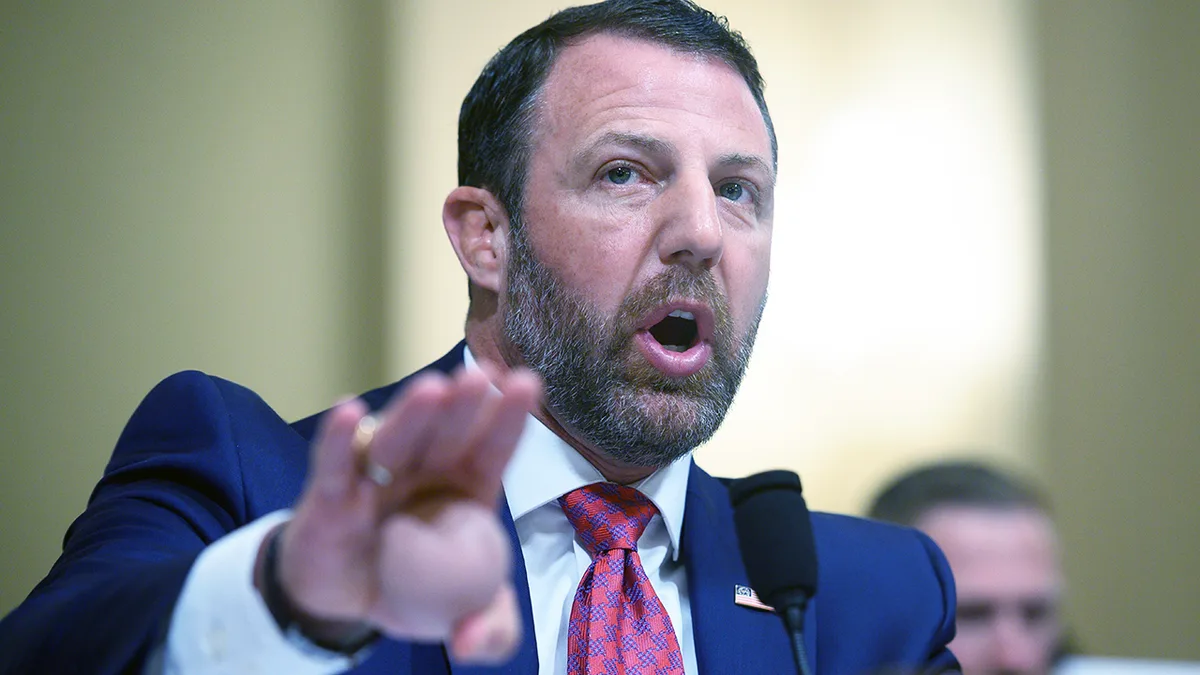
The California ruling arose from a lawsuit by an asylum seeker arrested after a routine hearing in San Francisco [7, 8, 9]. Rep. Veronica Escobar welcomed the ruling, calling it a step to undo a "blatant, unlawful, and cruel policy" [6]. DHS legal counsel Percival condemned the court rulings on arrests, calling them "judicial overreach" serving an "anti-American open borders agenda" [6, 7, 4, 8, 9].
The appeals court decision permits the Trump administration to enforce expedited removal nationwide, while the California court ruling limits immigrant arrests in immigration courts to pre-existing restricted conditions. Further legal challenges are expected as both sides push enforcement and due process boundaries on immigration policy.