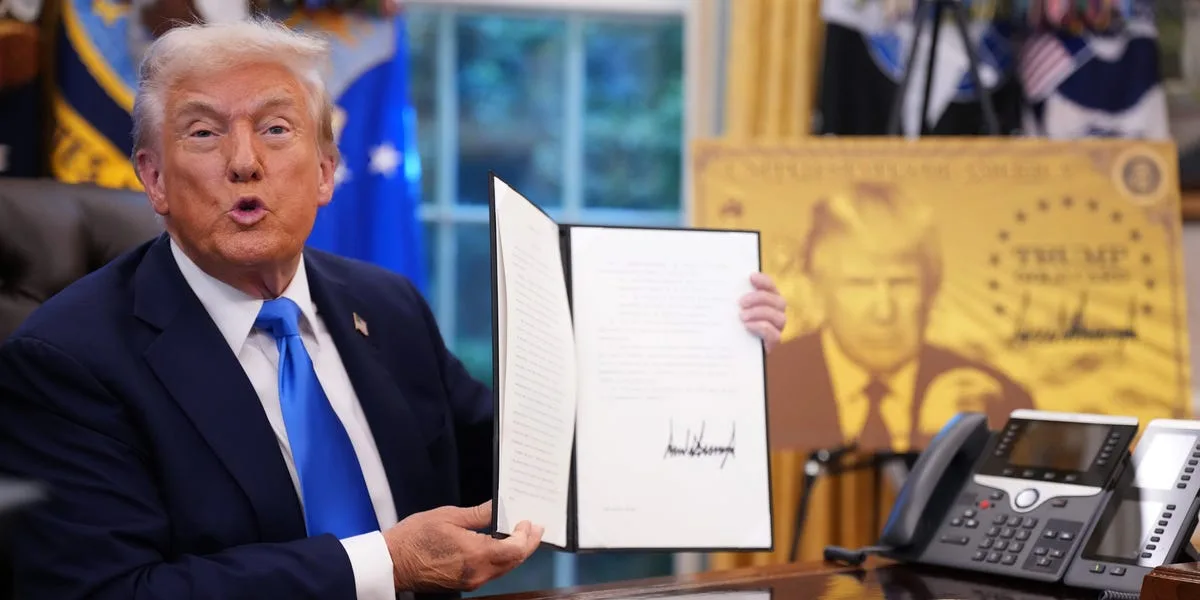
A federal appeals court rejected the Trump administration's attempt to suspend a lower court ruling that blocked a $100,000 fee on new H-1B visa applications on July 23-24, 2026 [1, 2, 3, 4, 5, 6, 7, 8]. The fee hike was initially imposed in September 2025, raising the cost dramatically from the previous $2,000-$5,000 range [1, 3, 8].
The lawsuit to block the fee was filed by 20 Democratic state attorneys general arguing the fee exceeded the president's authority and amounted to an unauthorized tax [1, 2, 3, 4, 6, 8]. In June 2026, US District Judge Leo Sorokin ruled the $100,000 fee was an unauthorized tax that only Congress can impose, and blocked its enforcement. Judge Sorokin stated, "Here, the substance and application of the $100,000 payment reveal that it is a tax, regardless of what the payment is called" [1, 3, 6, 8].
The three-judge appeals panel, all appointed by Democratic presidents, upheld the lower court ruling, finding the government failed to show it was likely to win on appeal or that the president had authority to impose the fee unilaterally [1, 2, 3].
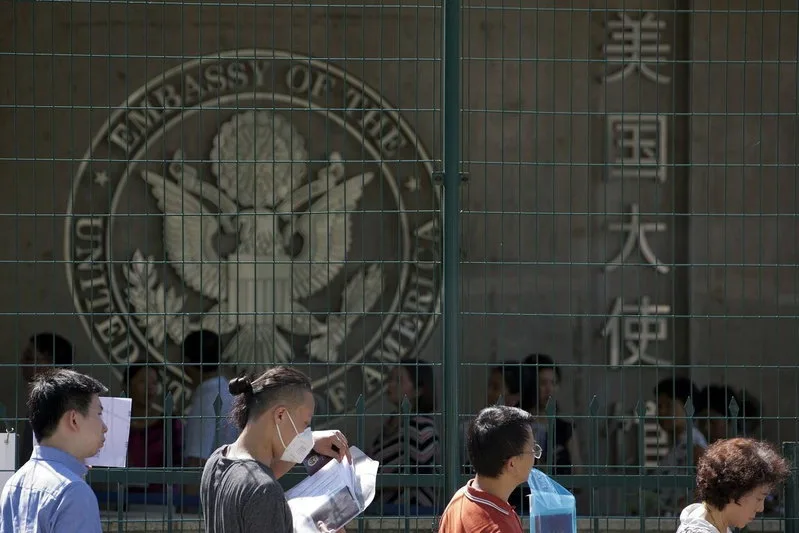
The fee increase drastically reduced applications for new H-1B visas, with US Citizenship and Immigration Services receiving very few $100,000 fee payments by mid-February 2026 [3, 6, 8]. The H-1B program issues about 65,000 regular visas and 20,000 for advanced degrees annually. It is widely used by US tech companies to hire foreign workers [1, 3, 6, 8]. The fee did not apply to foreign nationals already in the US on student visas, who make up a large portion of new H-1B recipients [1, 3, 6].
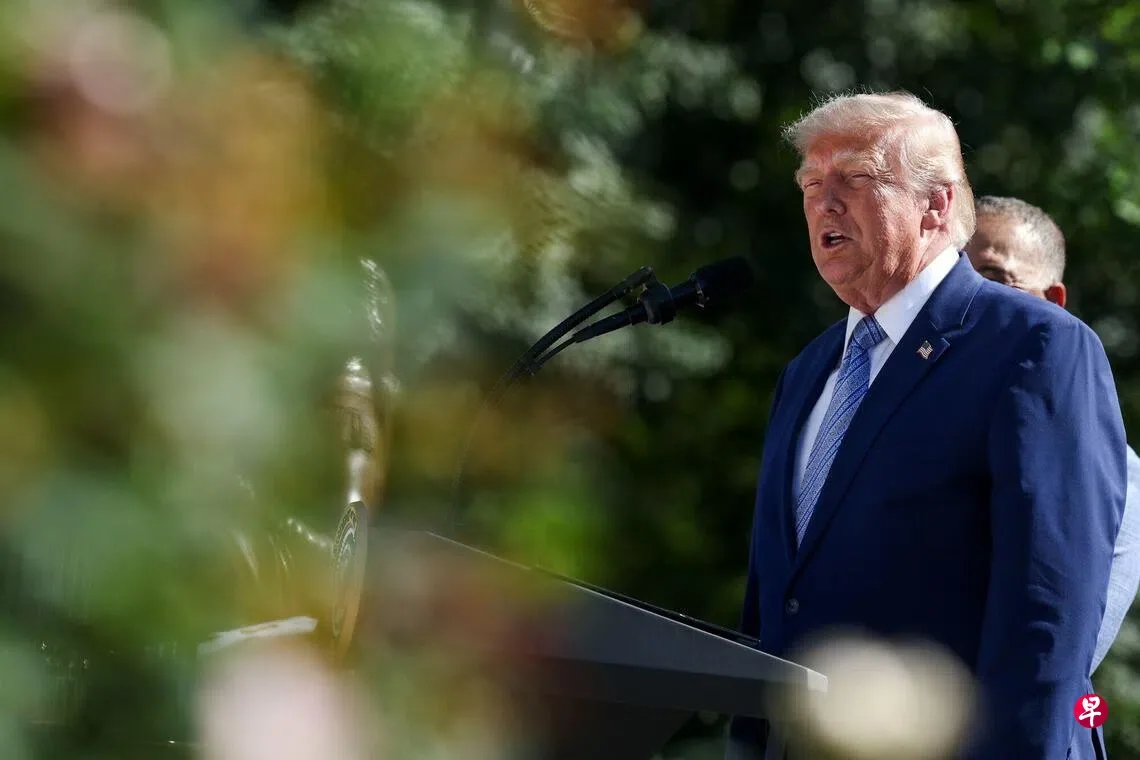
Former President Donald Trump had justified the fee by saying the H-1B program "has been deliberately exploited to replace, rather than supplement, American workers with lower-paid, lower-skilled labour" [1].
Immigration lawyer Brian Hunt said that because of the court ruling, "there are some workers who were about to lose their job offer but can now get a visa after all" [8].
The next key step will be any further legal appeals or administrative actions, but for now the $100,000 fee remains blocked and new visa applicants will not be subject to this charge [1, 3, 6, 8].