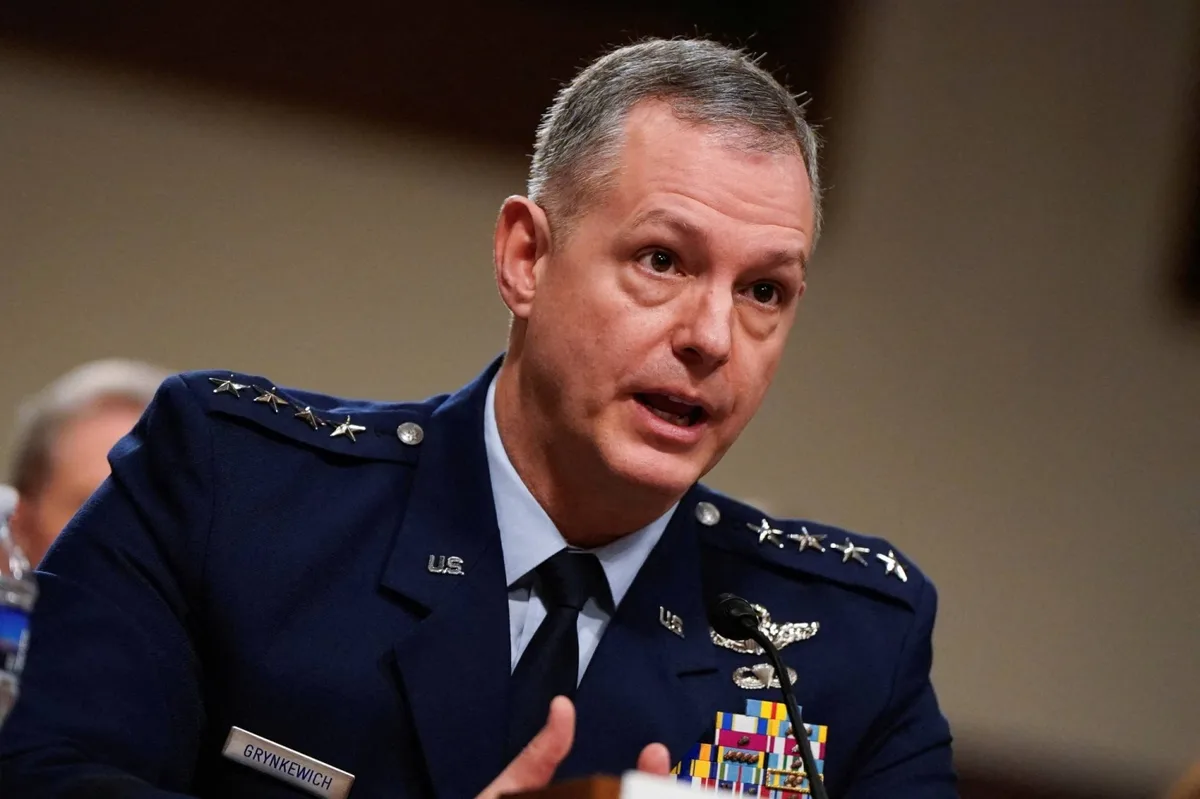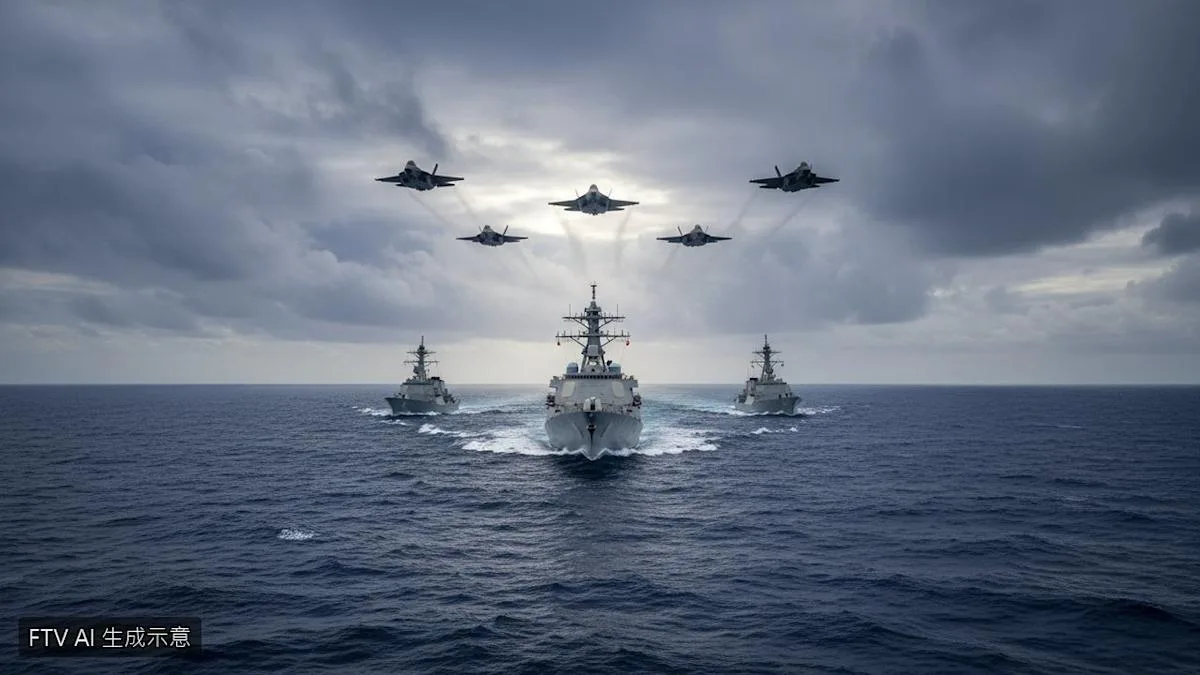
The United States announced plans to reduce its military contributions to NATO forces under the NATO Force Model, including cutting manned and unmanned aircraft and naval vessels deployed in Europe. This follows a May 2026 warning to NATO allies, with the public announcement made June 3 by U.S. Air Force General Alexus Grynkewich, NATO's top commander and head of U.S. forces in Europe [1, 2, 3, 4, 5, 6].
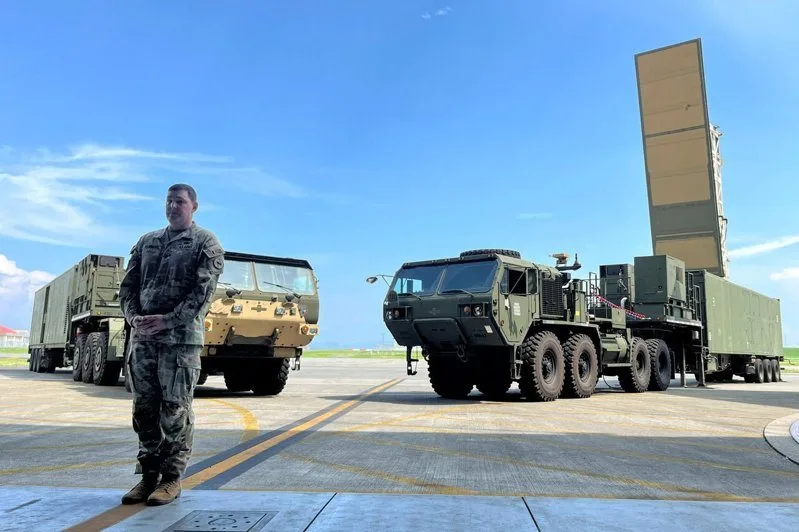
The planned cuts include reducing F-16 warplanes assigned to NATO from 99 to 63 and F-15E aircraft from 54 to 36. The US will remove eight advanced KC-46 aerial tankers and reduce RC-135 reconnaissance tankers from 71 to 63. Armed MQ-9 drones will be cut by nearly half. The naval force reductions include fewer aircraft carriers, surface ships, and submarines with cruise missile capabilities. In addition, the US is cancelling deployment of Tomahawk cruise missiles in Germany amid concerns over stock shortages and potential Russian retaliation, raising European defense worries [7, 8, 9, 5, 6, 10].
General Grynkewich stressed allies in Europe and Canada must rapidly increase their numbers of manned and unmanned aircraft and ships to offset these reductions. "There has been an unhealthy co-dependence in the NATO Force Model on U.S. forces," Grynkewich said. "President (Donald) Trump, (Defense) Secretary (Pete) Hegseth and others have been clear that this needs to change, and it will change. The potential reality of simultaneous conflict in multiple theaters demands it" [1].
The Trump administration decided to shrink the pool of U.S. military capabilities available to NATO in crises, urging European allies to take primary responsibility for the continent’s conventional defense [1, 2, 3, 4, 11, 5, 6]. Despite concerns, NATO military officials say there are or soon will be enough allied air and naval capabilities if these are assigned to NATO. Colonel Martin O'Donnell, NATO military spokesperson, said "The areas mentioned are where allies already have or soon will have sufficient capabilities, meaning no defence gaps are expected to emerge" [1].
Germany has expressed particular concern about Tomahawk missile cancellation. Chancellor Friedrich Merz noted, "The United States themselves doesn't have enough Tomahawk missiles for deployment, so their deployment in Germany was never fully expected." German Defense Minister Boris Pistorius added, "We formally requested Tomahawk missiles about a year and a half ago, but we are still waiting for a response. Given the current global situation, I have little hope at this point" [7, 8].
The US has also revealed plans to withdraw 5,000 troops from Germany as part of wider adjustments to the American military presence in Europe [8, 6].
NATO allies are scheduled to discuss burden sharing and military capabilities at a summit in Ankara, Turkey, in July 2026 [1, 2, 3, 8, 5, 6]. The meeting is expected to address how European nations and Canada can meet the increased responsibilities demanded by the reduction in US military contributions.