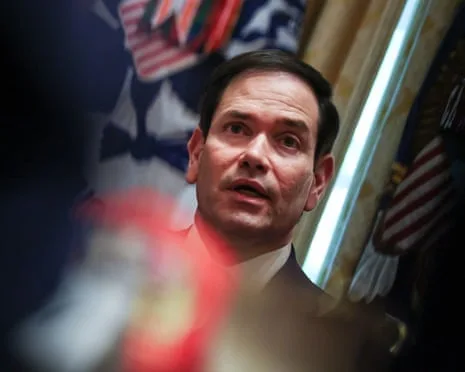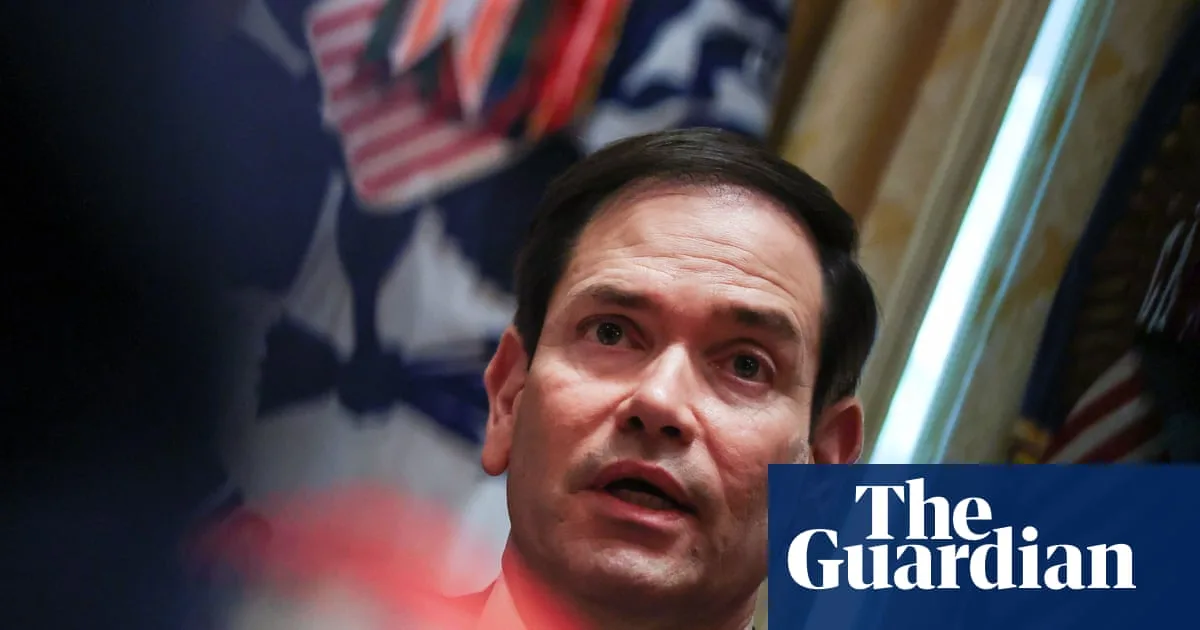
The United States will formally designate Brazil's two largest criminal gangs, the First Capital Command (PCC) and the Red Command (Comando Vermelho, CV), as foreign terrorist organizations effective June 5, 2026 [1, 2, 3]. US Secretary of State Marco Rubio announced the move on May 28, also listing both groups as Specially Designated Global Terrorists (SDGT) in advance of the formal Foreign Terrorist Organization (FTO) designation [4, 1, 3, 5]. Rubio said, "The Red Command and First Capital Command are two of the most violent criminal organizations in Brazil. Their reach extends throughout our region and into our country." He added, "The Trump administration will continue to use every available tool to cut off funding for violent drug terror groups and keep illegal drugs off our streets, safeguarding our national and homeland security interests." [4]
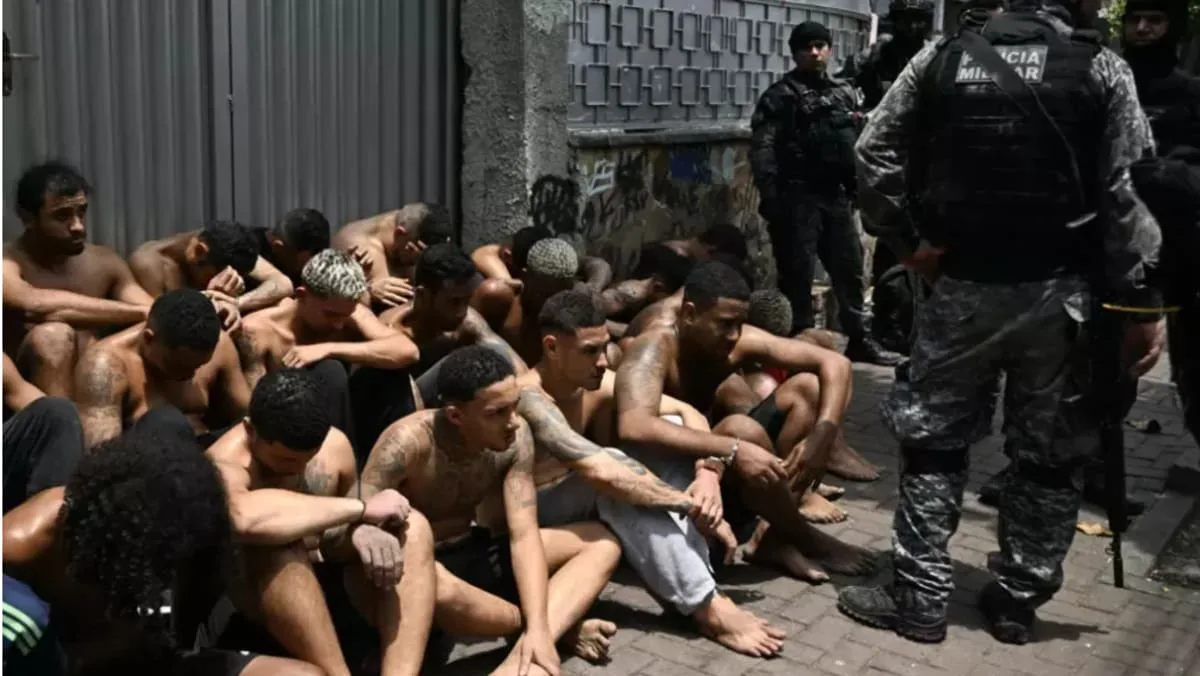
Originating in Brazilian prisons, the PCC was founded in the 1990s following a São Paulo prison massacre, while the Red Command dates to the 1970s from political prisoners and criminals in Rio de Janeiro [4, 3]. Together, the gangs have over 50,000 members controlling multiple drug trafficking routes and networks in Latin America [6]. The PCC operates as a hierarchical, corporate-style organization. In contrast, the Red Command is more decentralized and prone to violence [4, 6]. Their illegal businesses include drug and arms trafficking, money laundering, and violence against civilians and police [4, 1, 2, 7, 3, 6].
Brazil's federal police recently exposed the PCC's extensive money laundering operation through fuel companies, fintech, and investment funds, estimating over 60 billion Brazilian reals laundered [6]. US efforts to combat these groups build on previous actions that labeled Latin American gangs, including Mexican cartels, as terrorist organizations since 2025 [7, 3]. The US has also conducted airstrikes against suspected drug-smuggling vessels in Latin America starting summer 2025 [7, 8, 3] and obtained Guatemala's approval to deploy troops for joint anti-narcotics operations [6].
The US designation has strong political implications ahead of Brazil's October 2026 presidential election. Far-right candidate Flávio Bolsonaro, son of former President Jair Bolsonaro, met with President Trump and Secretary Rubio in late May to advocate for the terrorist labeling. Bolsonaro said, "I asked the US government to designate these groups as terrorist organizations because they are terrorists. Lula bowed in front of Trump for these criminals; I went to make sure they are treated as terrorists." [6] The designation is widely seen as benefiting Bolsonaro politically by aligning him with US anti-crime policy and undermining incumbent President Luiz Inácio Lula da Silva [4, 2, 7, 6, 9].
President Lula and his government strongly oppose the US move, viewing it as an infringement on Brazil's sovereignty and a possible pretext for US military intervention or sanctions[s1-s12]. Lula protested, "Don’t play with this country's sovereignty, don’t play with our democracy. Brazil will not accept being treated like a small banana republic." [9] Brazil's foreign policy advisor Celso Amorim said, "We welcome international cooperation, especially on money laundering and arms trafficking, but using this as a pretext for intervention is unacceptable." [2, 7, 10, 5, 9]
The official FTO designation will take effect on June 5, 2026, as scheduled [1, 2, 3]. US authorities said the move aims to disrupt the gangs' funding and drug trafficking networks that threaten US national security and regional stability [4, 11, 8, 12].