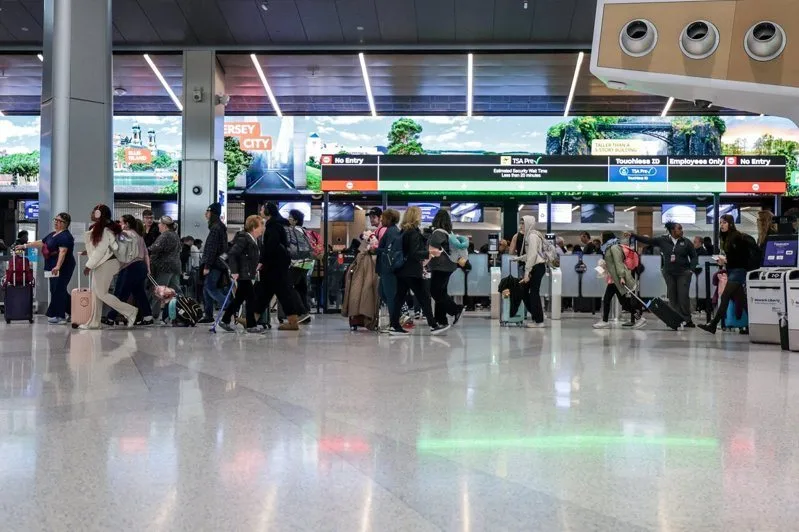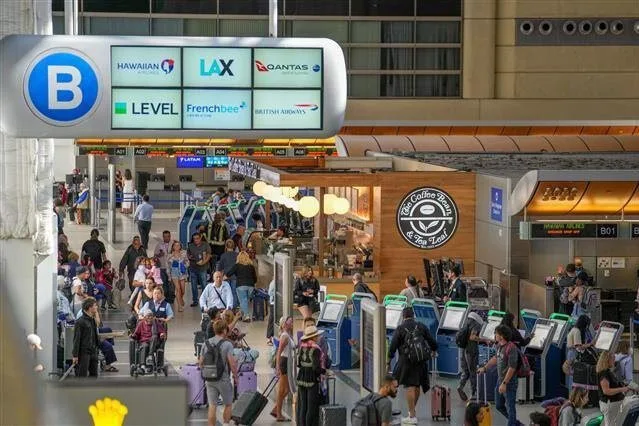
The US Department of Homeland Security (DHS) is drafting plans to stop processing international flights and customs at airports in sanctuary cities nationwide that restrict cooperation with federal immigration enforcement agencies [1, 2, 3]. This plan targets about 11 major airports, including those in New York (JFK, Newark), Los Angeles (LAX), San Francisco, Boston, Chicago, Seattle, Philadelphia, Denver, and Portland [2, 3, 4, 5].
If implemented, these actions would effectively halt inbound international flights at these airports, since all international travelers must be inspected by Customs and Border Protection (CBP) officers [2, 3, 4]. Newark Liberty International Airport is among the first threatened with withdrawal of customs processing due to local law enforcement's refusal to cooperate with Immigration and Customs Enforcement (ICE) [1, 6].
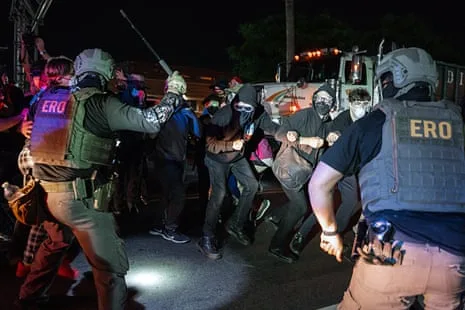
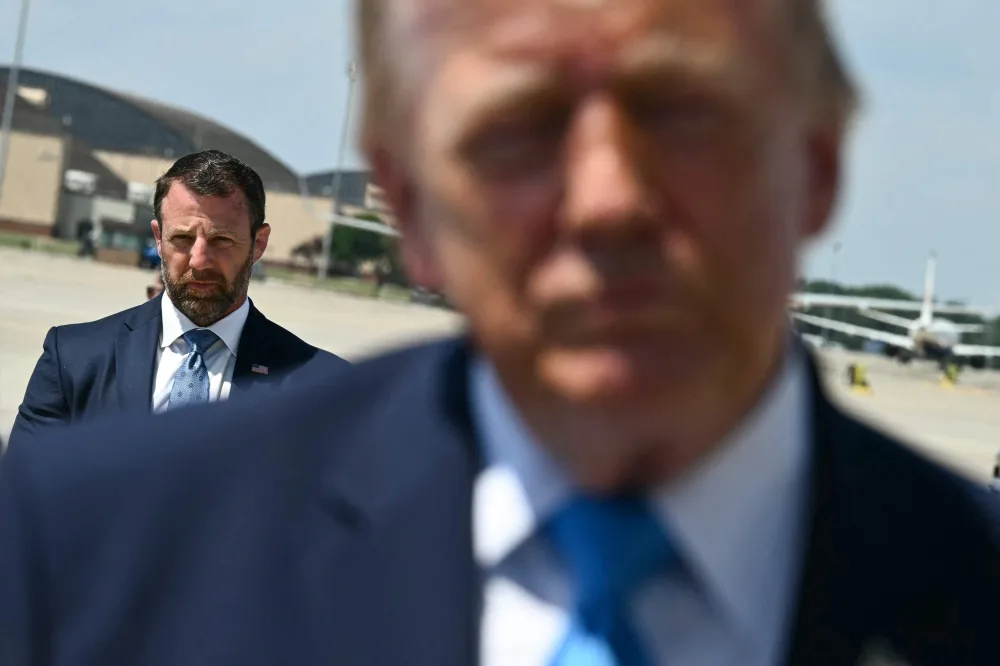
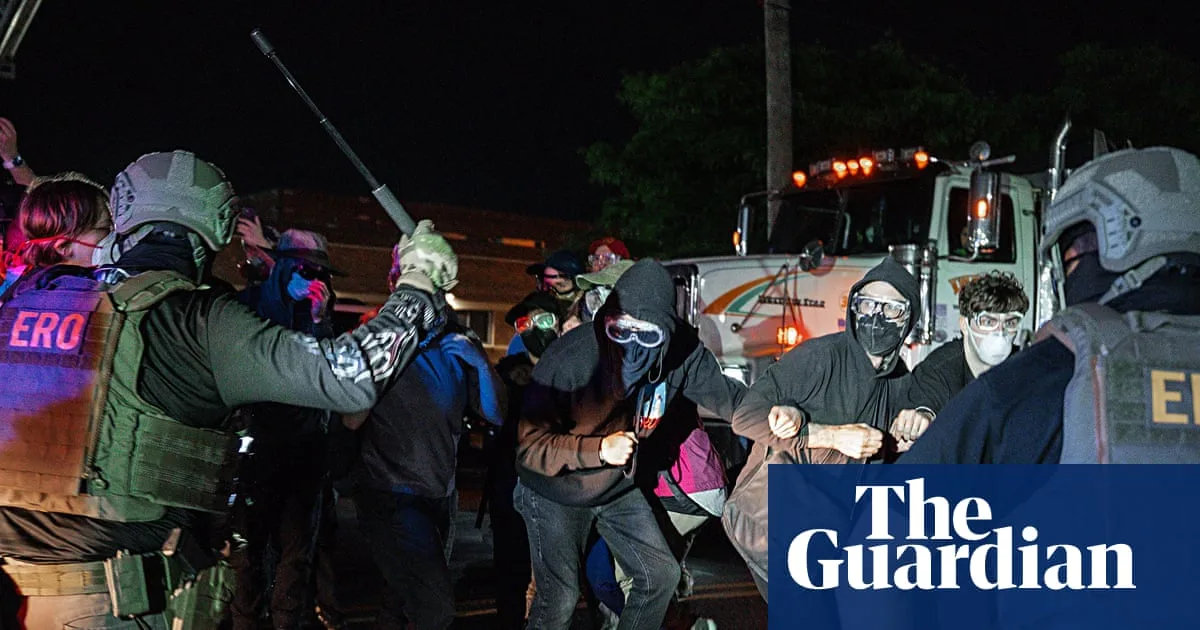
DHS Secretary Markwayne Mullin confirmed on May 26-28 that plans are being drawn up but no final decision is made [1, 7, 8]. Mullin said, "If they’re going to not allow us to go out and arrest the ‘worst of the worst’ … then why are we processing international flights into the airport there?" [1]. He accused Democratic politicians of obstructing immigration enforcement and staging political protests near detention centers such as Newark's Delaney Hall [1].
The plan is a response to sanctuary cities restricting federal agent access and limiting collaboration with ICE [1, 2, 3]. The US Justice Department has listed these sanctuary cities as impeding immigration enforcement [7].
About 250 million international travelers pass through the affected airports annually, representing roughly 28% of all US international arrivals [2, 3, 4]. This includes over 50 million at New York’s three major airports and more than 20,000 daily international arrivals at Newark alone [6, 8]. Industry groups warn the consequences would be devastating. Airlines for America said reducing CBP staffing would cause "a significant operational disruption to carriers, travelers and the flow of international cargo" [7]. The U.S. Travel Association said closing customs at sanctuary airports would have "devastating consequences for the travel industry and communities" [7].
Economic losses could reach $2.1 billion annually, hitting hotels, retail, ground services, and trade near these airports [2, 3, 5]. The financial impact is estimated at about 700 billion Taiwanese dollars [6]. Some airlines predict major rerouting disruptions due to removal of customs processing at these hubs [9].
The impending FIFA Men's World Cup final near Newark in July 2026 raises heightened concerns about disrupted travel and security amid these plans [7, 6, 8].
The plan remains unapproved by Congress, as CBP funding is congressional-controlled. Legal experts warn the strategy could face judicial challenges for violating administrative and interstate commerce laws [2, 3, 5]. Congressional opponents are divided, with Democrats opposing the plan and some Republicans expressing worry over economic fallout in large cities [2, 3, 5].
DHS plans are continuing to develop amid these political and legal challenges. The next major date is July 19, when the FIFA World Cup final will be held near Newark, a key airport under threat of customs processing withdrawal [7].