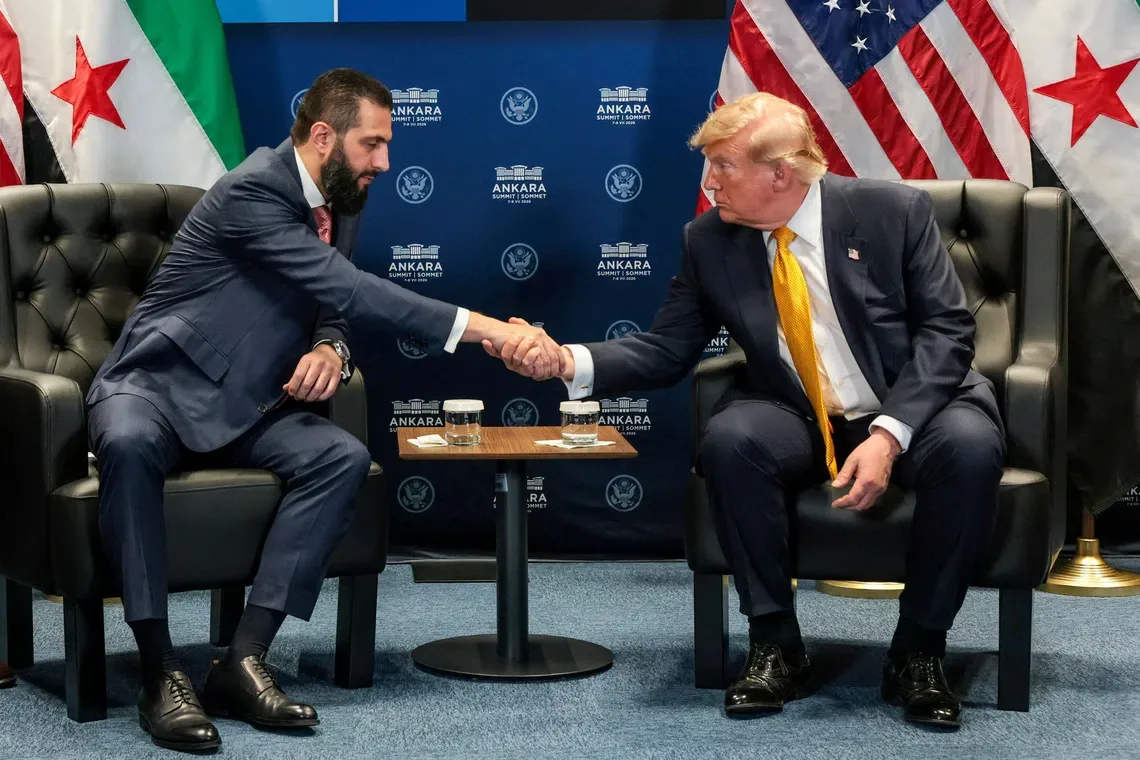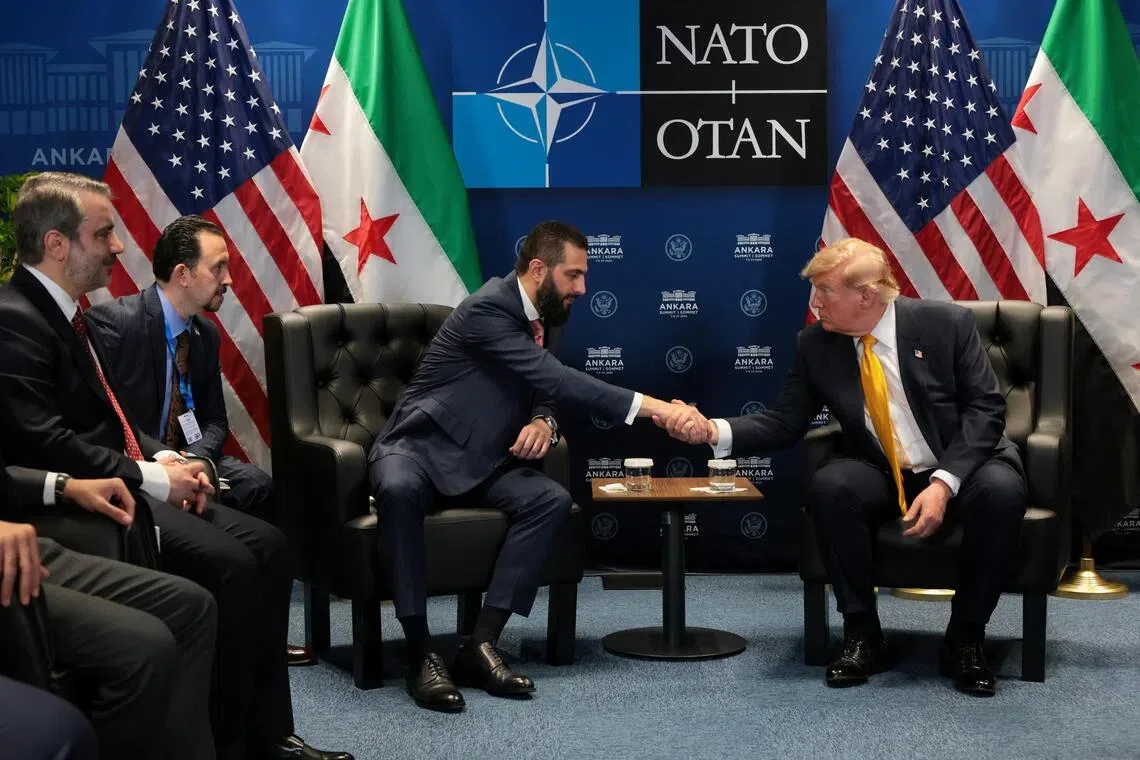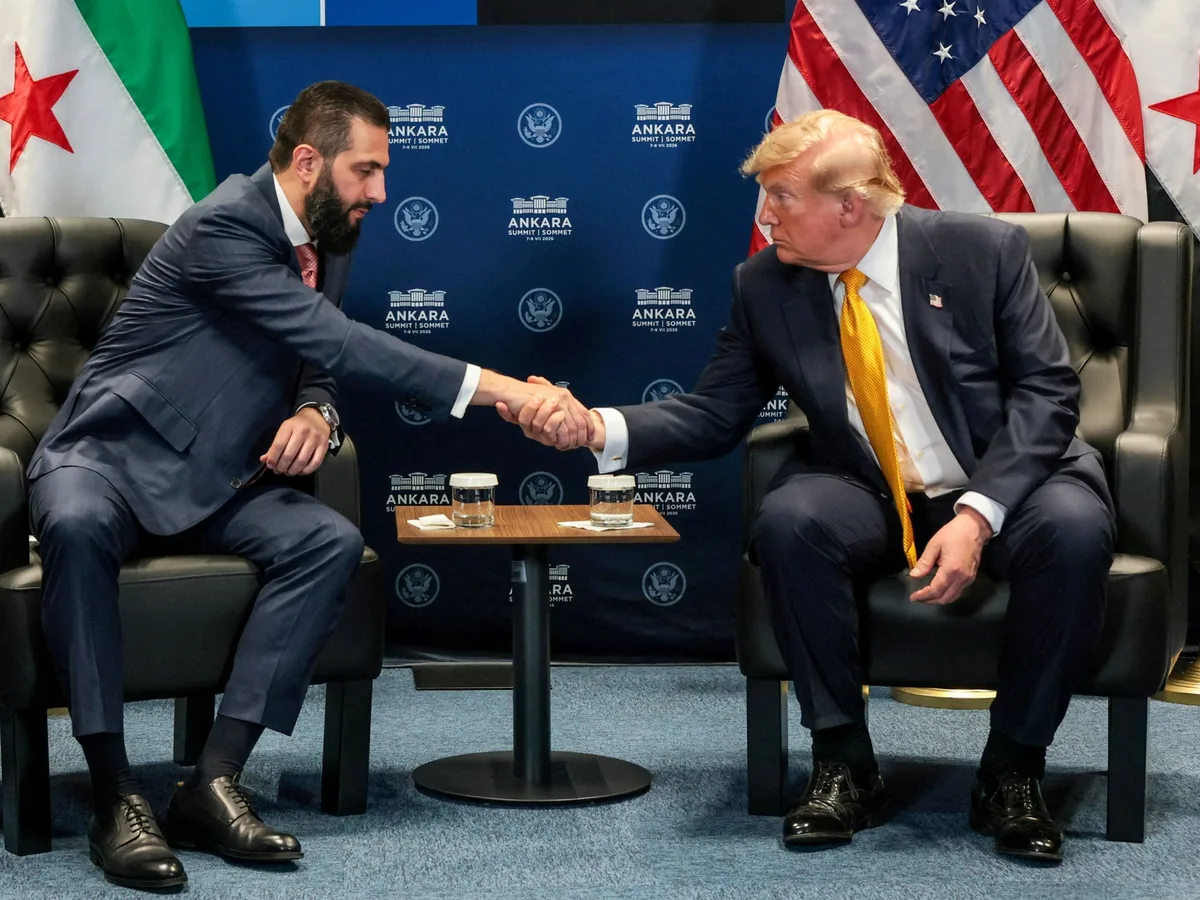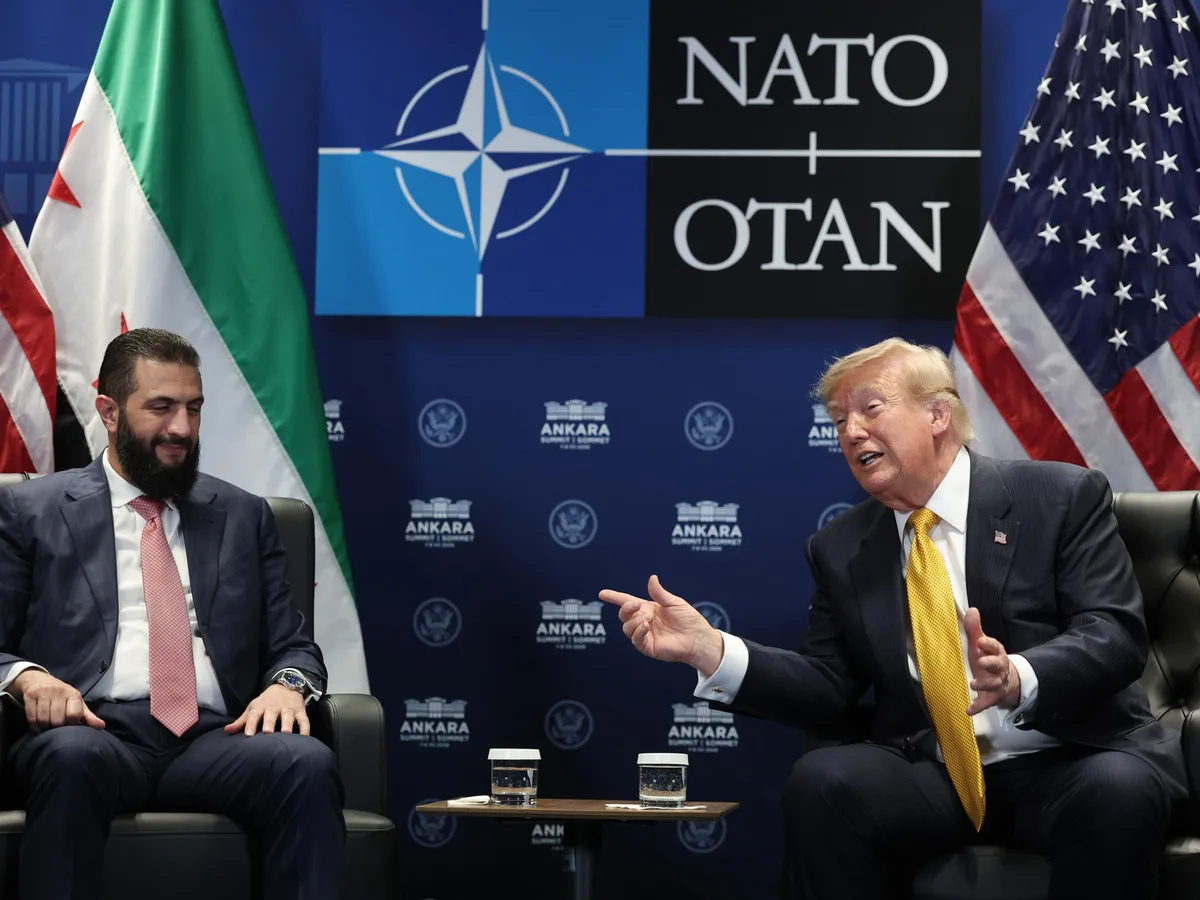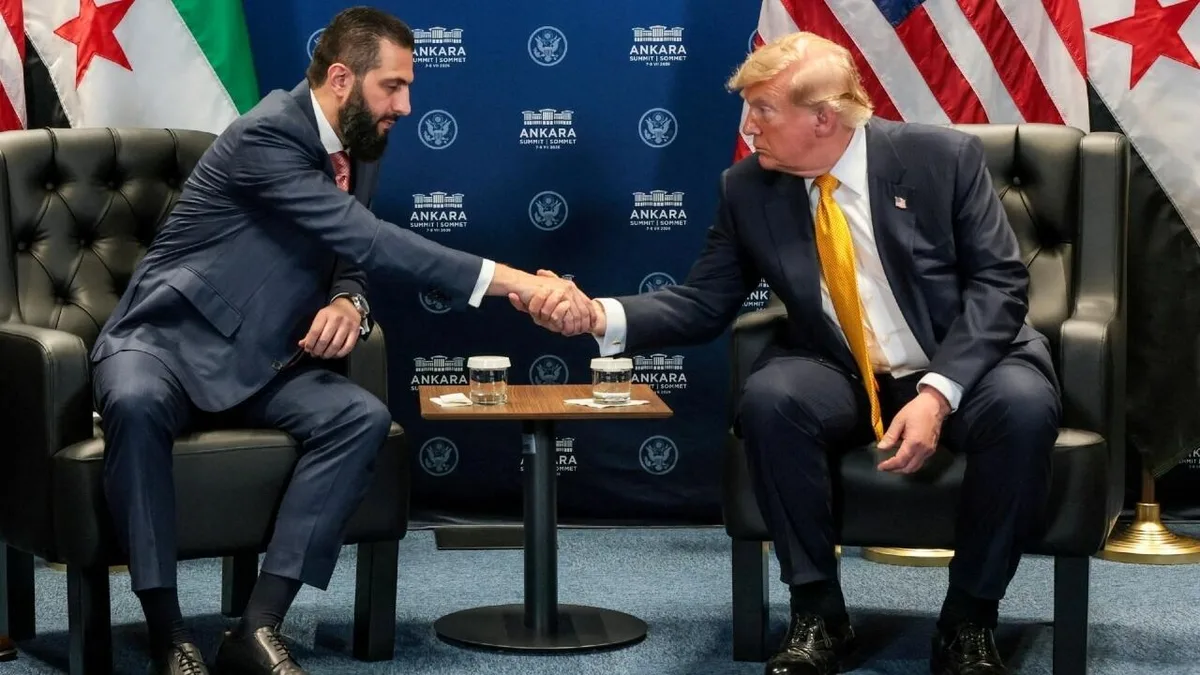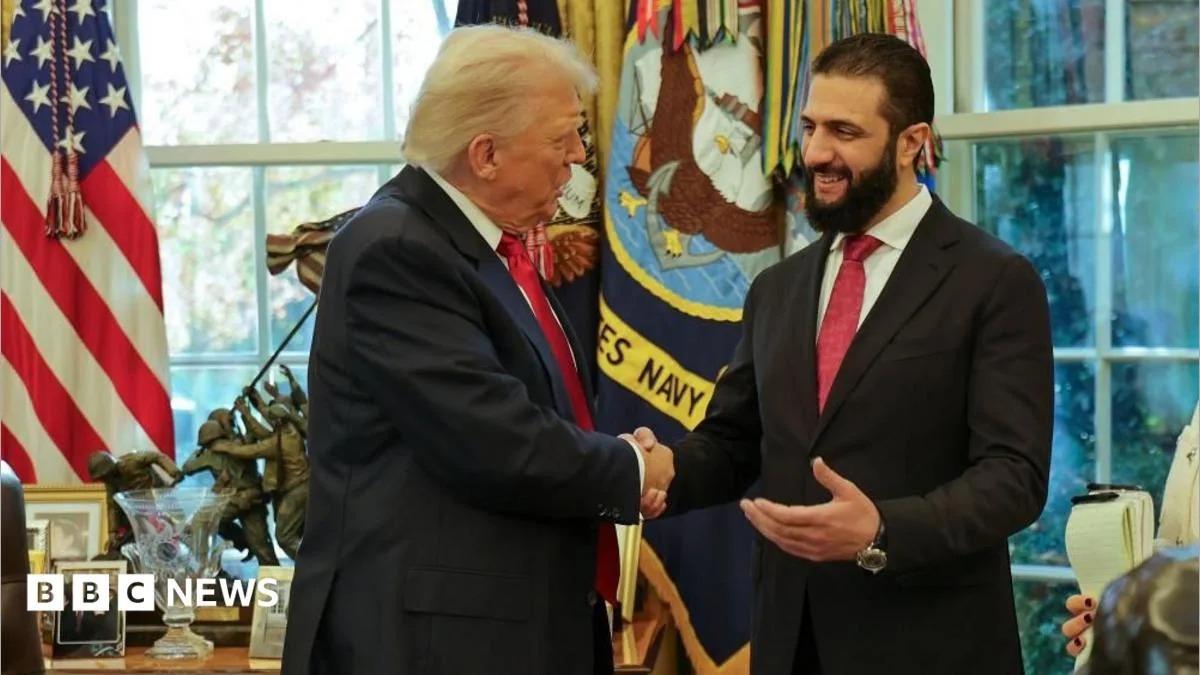
The United States officially removed Syria from its list of state sponsors of terrorism on August 24, 2026, ending a designation in place since 1979 [1, 2, 3, 4, 5, 6, 7, 8, 9]. The move came after a 45-day congressional review that began on July 8, when President Trump formally notified Congress of the intent to delist Syria [3, 4, 10, 9].
The removal lifts significant sanctions restrictions, including limits on financial transactions, defense exports, foreign aid, and trade, which had discouraged private sector investment in Syria [1, 2, 3, 4, 5, 6, 7, 8, 9]. US Treasury Secretary Scott Bessent said, "Today's action will help foster additional investment in Syria to promote political and economic stability" [1]. Secretary of State Marco Rubio said the move "removes the last major barriers for private sector investment in Syria and promotes its economic recovery and reintegration into the global economy" [9].
The US Treasury emphasized that the delisting does not alter its stance on fighting global terrorism or holding bad actors in Syria accountable, noting the continued commitment to counter terrorism despite the sanctions relief [2, 5, 6, 8, 9]. A Treasury Department statement said, "The removal of restrictions on Syria does not change Treasury’s posture with regards to countering global terrorism and our commitment to hold bad actors in Syria accountable" [5].
The designation of Hayat Tahrir al-Sham (HTS), formerly al-Nusra Front, as a global terrorist organization was also revoked. HTS, led by President Ahmed al-Sharaa, severed ties with al-Qaeda in 2016 [1, 2, 3, 4, 5, 6, 7, 8, 9]. HTS led a rebel offensive that overthrew Bashar al-Assad in December 2024, after which Ahmed al-Sharaa, a former militant with an American bounty on his head, became head of Syria’s transitional government [1, 3, 4, 6, 7, 9].
The US Trump administration supported the delisting as recognition of positive actions by the Syrian transitional government to distance itself from terrorism and unify the country. Rubio said, "These actions were all taken in recognition of the positive actions taken and further commitments by the Syrian government under President Ahmed al-Sharaa to fully distance Syria from acts of international terrorism" [1].
Syrian officials welcomed the decision as historic. Foreign Minister Asaad Hassan al-Shaibani called it a step toward ending isolation, saying, "We will continue working to remove the effects of isolation and create an environment based on transparency, mutual interests and respect" [1]. President Ahmed al-Sharaa declared, "Today, Syria is shedding a dark stain from its shoulders and tearing up with its own hands a page from its painful past, to move into a new space of development, reconstruction and building" [11]. Central Bank Governor Safwat Raslan said, "This is a historic step that restores the country to its natural place in the global economic system. We are working to build a modern and reliable financial system" [7, 8, 9].
Syria remains the only major country removed from the US State Sponsors of Terrorism list. The remaining countries still designated are Cuba, Iran, and North Korea [1, 3, 5, 10]. The broad sanctions program on Syria was largely dismantled in July 2025, though targeted sanctions remain on Assad, ISIS, and Iranian proxies [3, 7, 10].
The US aims to draw Syria closer into its sphere of influence and reduce Russia and China's role in the region, though Syria’s security and governance remain fragile [1, 7, 9]. Syria’s transitional government and US officials will now focus on fostering economic recovery and political stability following the removal of these restrictions.