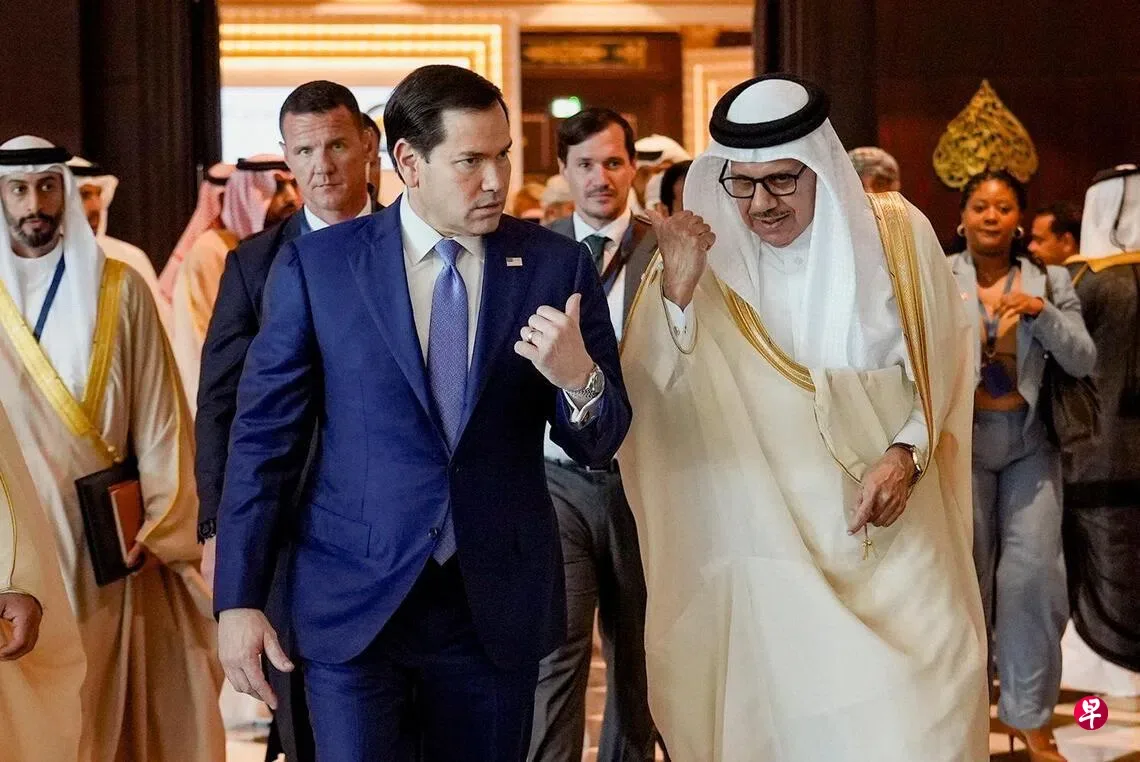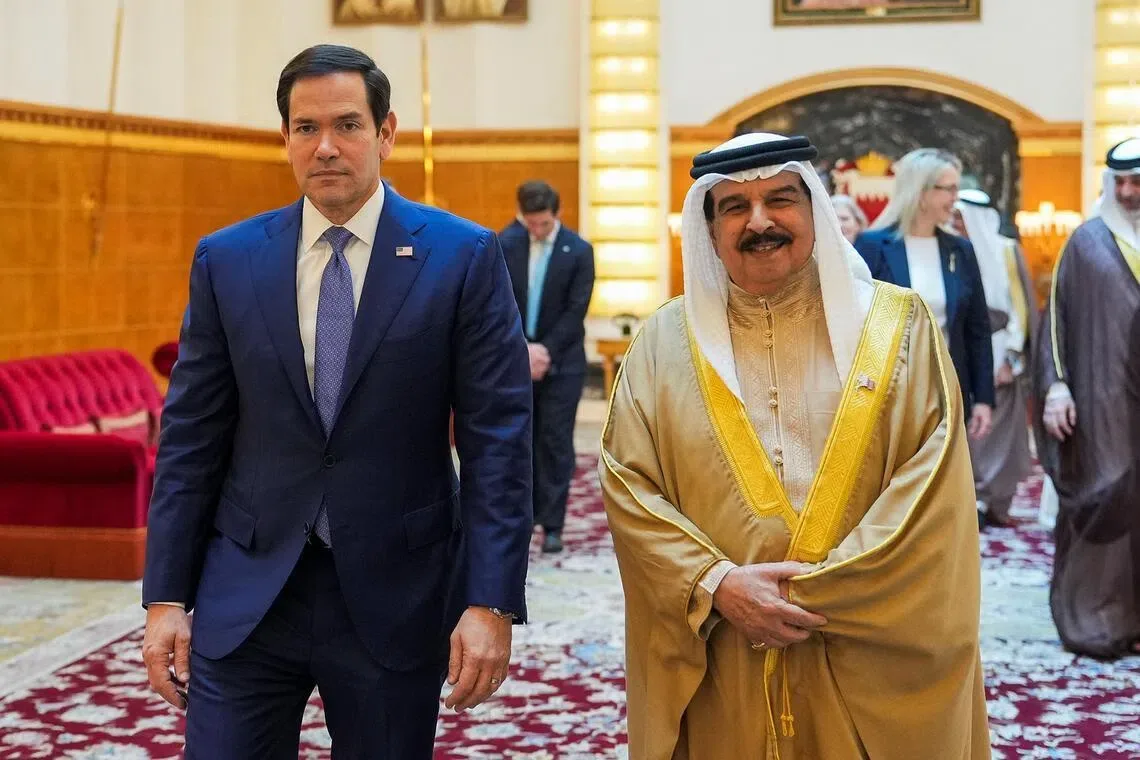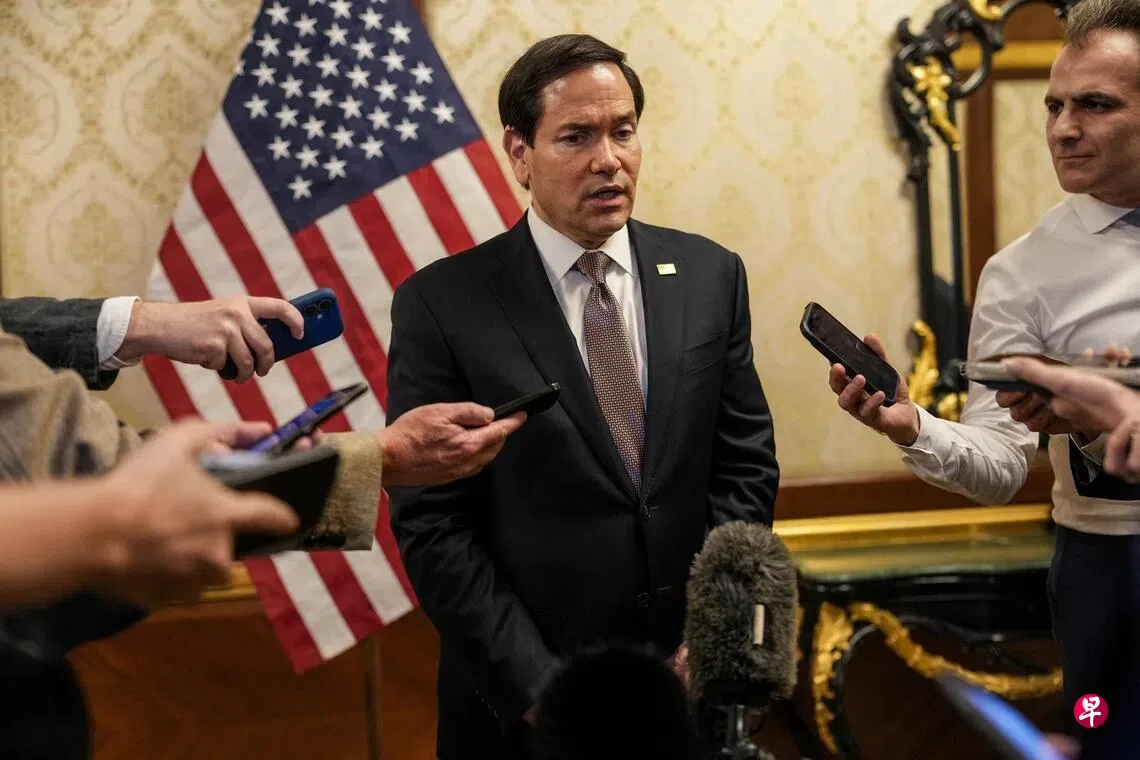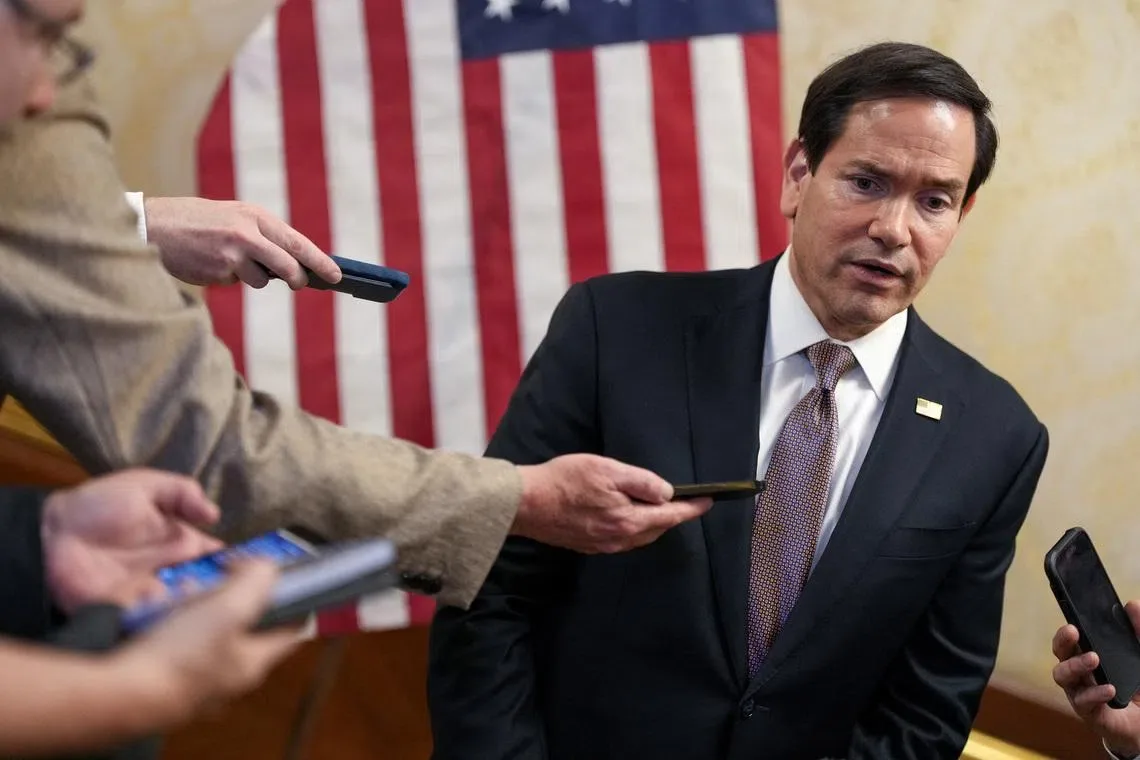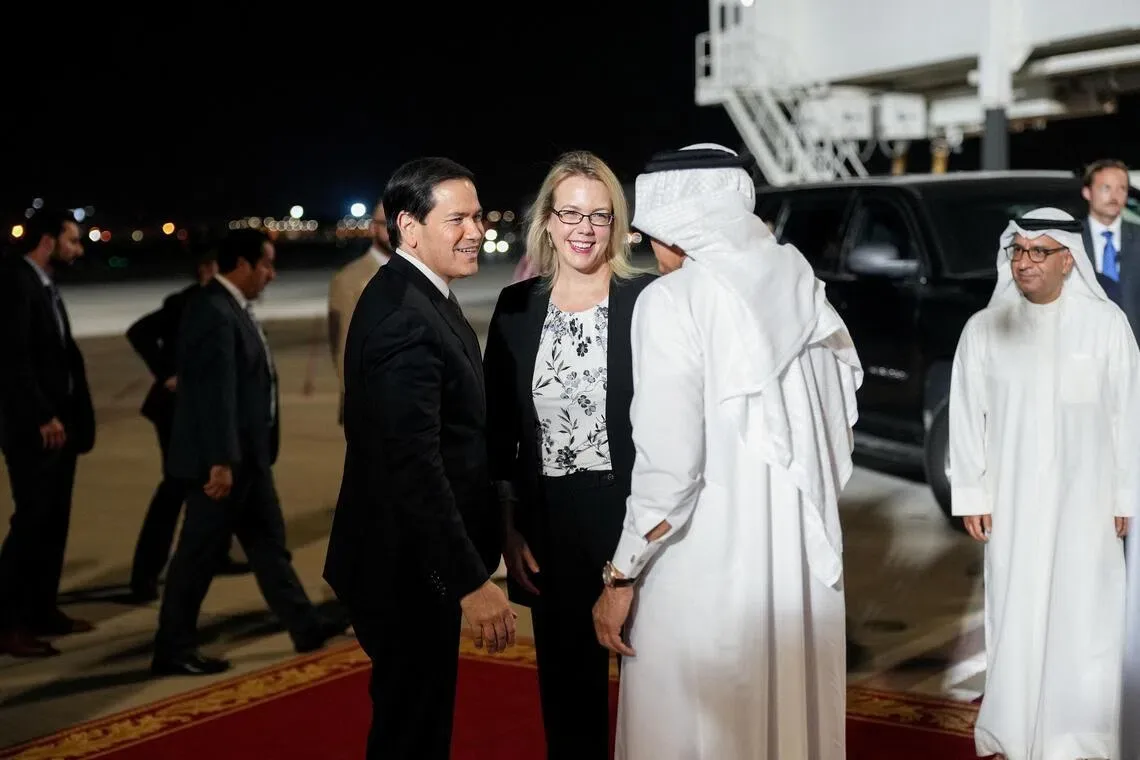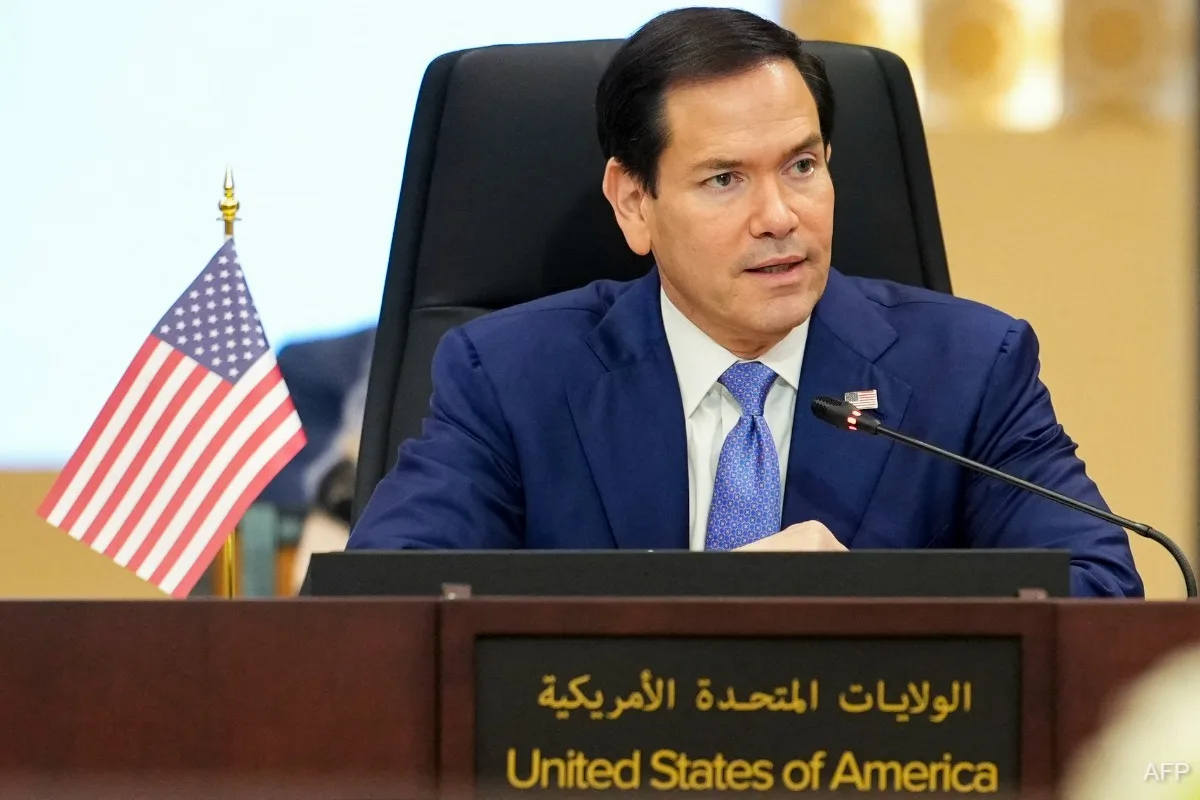
US Secretary of State Marco Rubio visited the United Arab Emirates, Kuwait, and Bahrain from June 23 to 25 to discuss the preliminary US-Iran memorandum of understanding (MoU) signed by President Donald Trump on June 21, 2026, and to reassure Gulf Cooperation Council (GCC) allies about its implications [1, 2, 3].
The MoU initiates a 60-day negotiation period aimed at reaching a more comprehensive ceasefire agreement between the US and Iran [1, 4, 5]. Rubio told Gulf leaders, "We’re going to be completely aligned with our partners in the Gulf. That's why I've taken these trips now, and it's the reason why I'm here" [6].
Gulf allies including the UAE, Kuwait, Bahrain, and other GCC members are concerned about provisions in the deal. A proposed $300 billion Iran reconstruction fund included in the MoU raises fears it could be used to rebuild Iranian military capabilities and support proxy groups [1, 3, 5]. Rubio promised, "We absolutely will not do anything that harms the security of our longstanding allies in the region" and cautioned, "While we want a deal, we don’t want a deal at any price" [7, 8].
The agreement does not address Iran's ballistic missile program, a key Gulf concern after enduring missile and drone attacks from Iran during the conflict [1, 3, 5, 9]. Iranian officials see the deal as a victory, with negotiator Mohammad Bagher Ghalibaf calling it "a declaration of America’s defeat" [9]. They also accuse Gulf states like UAE and Kuwait of supporting US attacks on Iran [4, 9, 10].
Rubio also highlighted regional security issues by reaffirming that the US opposes any fees or tolls on the Strait of Hormuz, a vital shipping lane through which about 20 million barrels of oil pass daily [2, 7, 8, 11, 12]. Iran plans to impose maritime fees and coordinate management of the Strait with Oman, prompting strong opposition from the US and Gulf states [7, 8, 11, 12]. Rubio said, "International waterways do not belong to any nation state. This is a foundational principle in the world today" [11].
US and Iranian technical teams are expected to resume talks in Switzerland between June 29 and 30 to finalize the implementation details of the deal [1, 6, 7, 12]. Meanwhile, the US Pentagon has requested nearly $88 billion in supplemental funding related to war costs linked to Iran as of June 24 [9, 10].