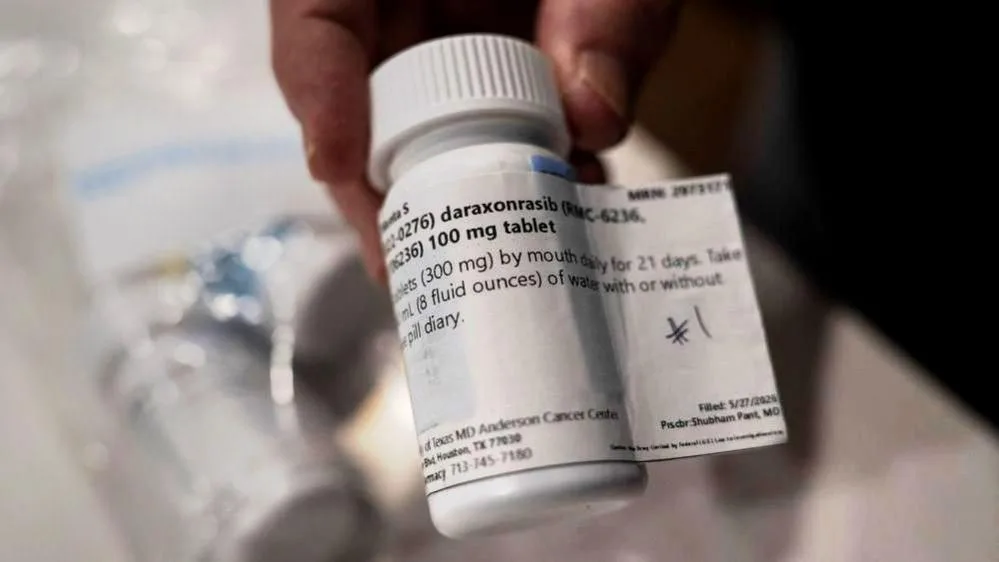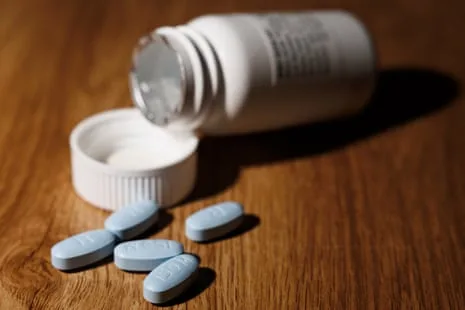
The US Food and Drug Administration approved daraxonrasib, marketed as Rasonque by Revolution Medicines, for adults with metastatic pancreatic adenocarcinoma on August 26, 2026 [1, 2, 3]. The drug is a once-daily oral pill targeting mutated KRAS gene-driven RAS proteins, which fuel tumor growth in over 90% of pancreatic cancers [1, 2, 3, 4]. It is approved for patients who have had at least one prior systemic therapy or are ineligible for multiagent systemic therapy [1, 2, 3].
A randomized late-stage clinical trial with 500 patients showed a median overall survival of 13.2 months on Rasonque compared with 6.7 months on chemotherapy, nearly doubling survival time [1, 2, 3, 4]. Approximately 44% of patients on Rasonque had severe side effects, vs. 57.5% on chemotherapy [1]. Common side effects include rash, diarrhea, nausea, fatigue, vomiting, mouth ulcers, abdominal pain, edema, decreased appetite, and bleeding [1, 5, 6]. The drug uses molecular glue technology to inhibit mutated RAS proteins, previously considered an undruggable target [7].
The FDA gave Rasonque Breakthrough Therapy, Orphan Drug, and Priority Review designations and completed approval six months ahead of the regulatory deadline, reflecting the urgent need in pancreatic cancer treatment [1, 3, 8]. Acting FDA Commissioner Kyle Diamantas said, “Today’s approval provides a critical new option for patients facing an extraordinarily difficult and historically hard-to-treat cancer” [2]. Angelo de Claro, director of the FDA Oncology Center of Excellence, called the drug’s results “unprecedented” and noted the early approval “demonstrates the FDA’s commitment to accelerating new cancer treatments” [8, 3].
Before approval, more than 2,000 patients accessed Rasonque under the FDA’s Expanded Access Program [2, 9, 7]. Former US Senator Ben Sasse, who participated in a clinical trial, reported tumor shrinkage and symptom improvement [1, 5]. Barbara Andes, an 88-year-old patient, called it “a godsend” for many people suffering from this disease [4]. Pancreatic cancer causes over 52,000 deaths in the US annually among roughly 67,000 new cases and has a five-year survival rate of around 13% [1, 2, 5, 9].
Rasonque is Revolution Medicines’ first approved product and is expected to generate over $10 billion in global sales in coming years [5, 6, 9, 7]. The US price for a 30-day supply is about $39,800, with patient assistance programs available [4, 5, 6].
Revolution Medicines CEO Mark Goldsmith said the approval validates more than a decade of effort targeting one of the toughest challenges in cancer biology and drug discovery [9]. The company plans to expand Rasonque’s availability widely following FDA authorization.
In April 2026, clinical trial results were announced showing daraxonrasib nearly doubled survival in pancreatic cancer patients. The FDA allowed expanded access use in May before granting full approval on August 26 [4, 9, 8].