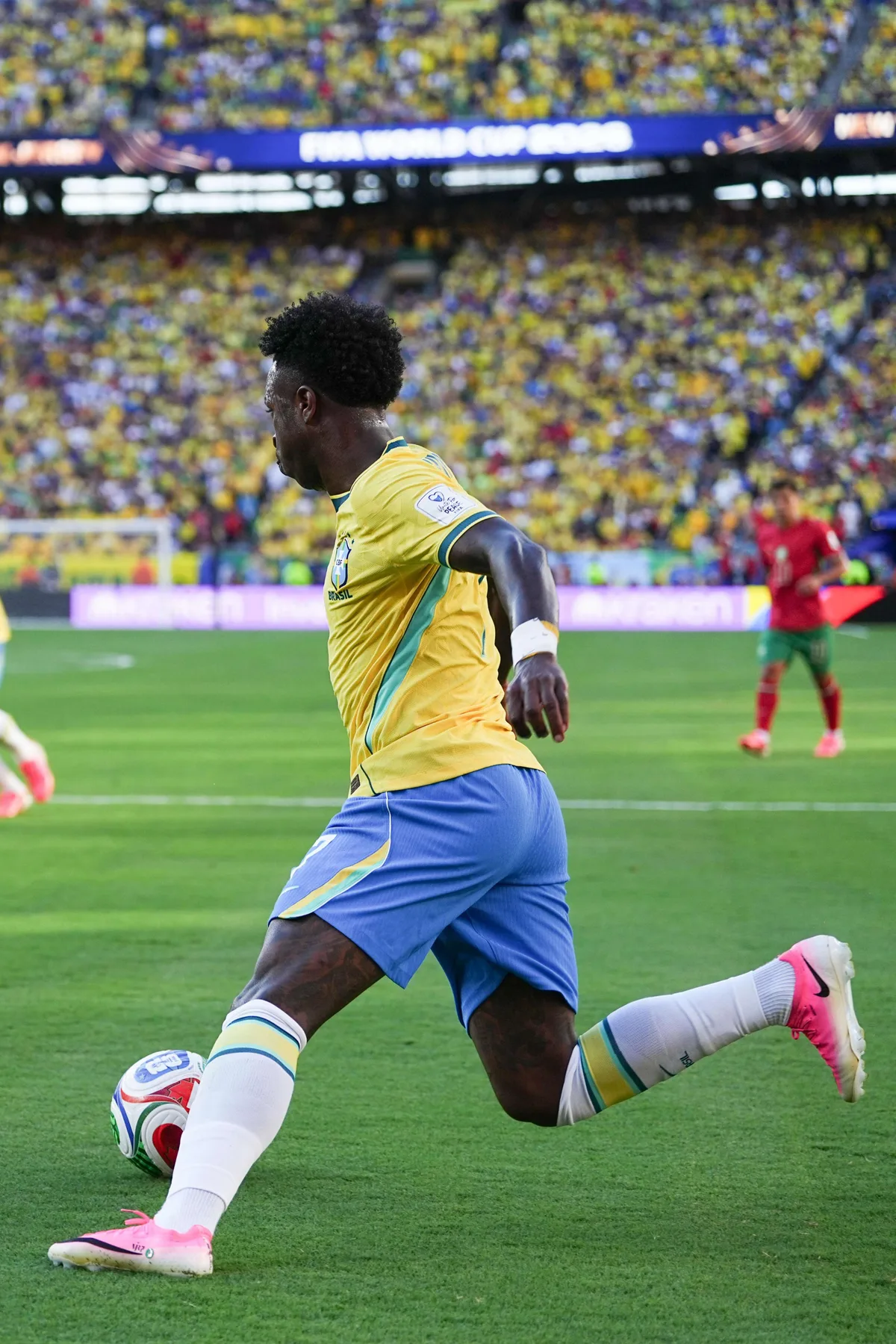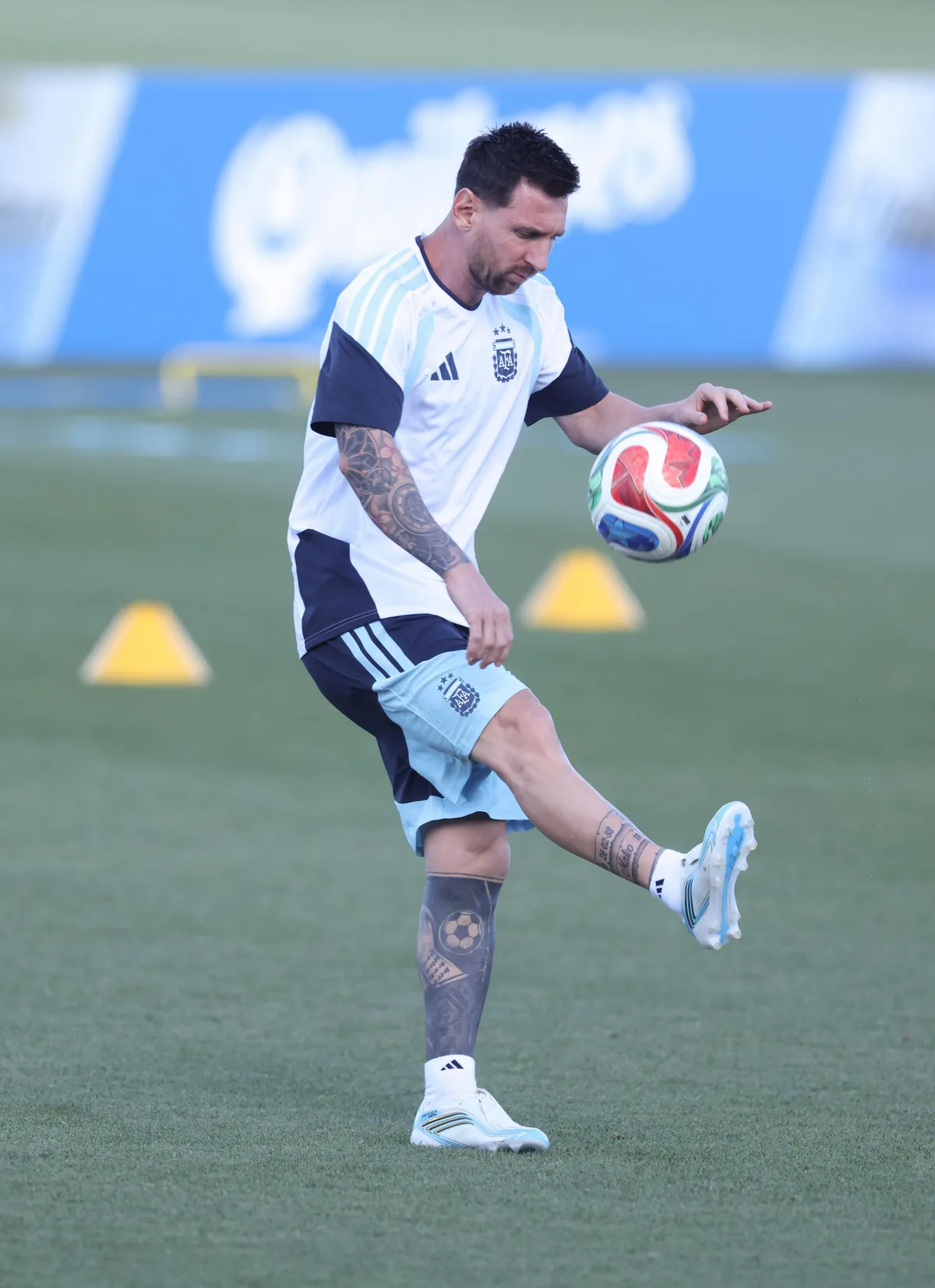
Adidas sponsors 14 teams at the 2026 FIFA World Cup, surpassing Nike's 12 and Puma's 11, giving it the largest team partnership portfolio at the tournament [1, 2]. Adidas has supplied the official World Cup match ball since 1970 and remains an official FIFA global partner, securing a long-held position in the event's branding landscape [3, 1, 2].
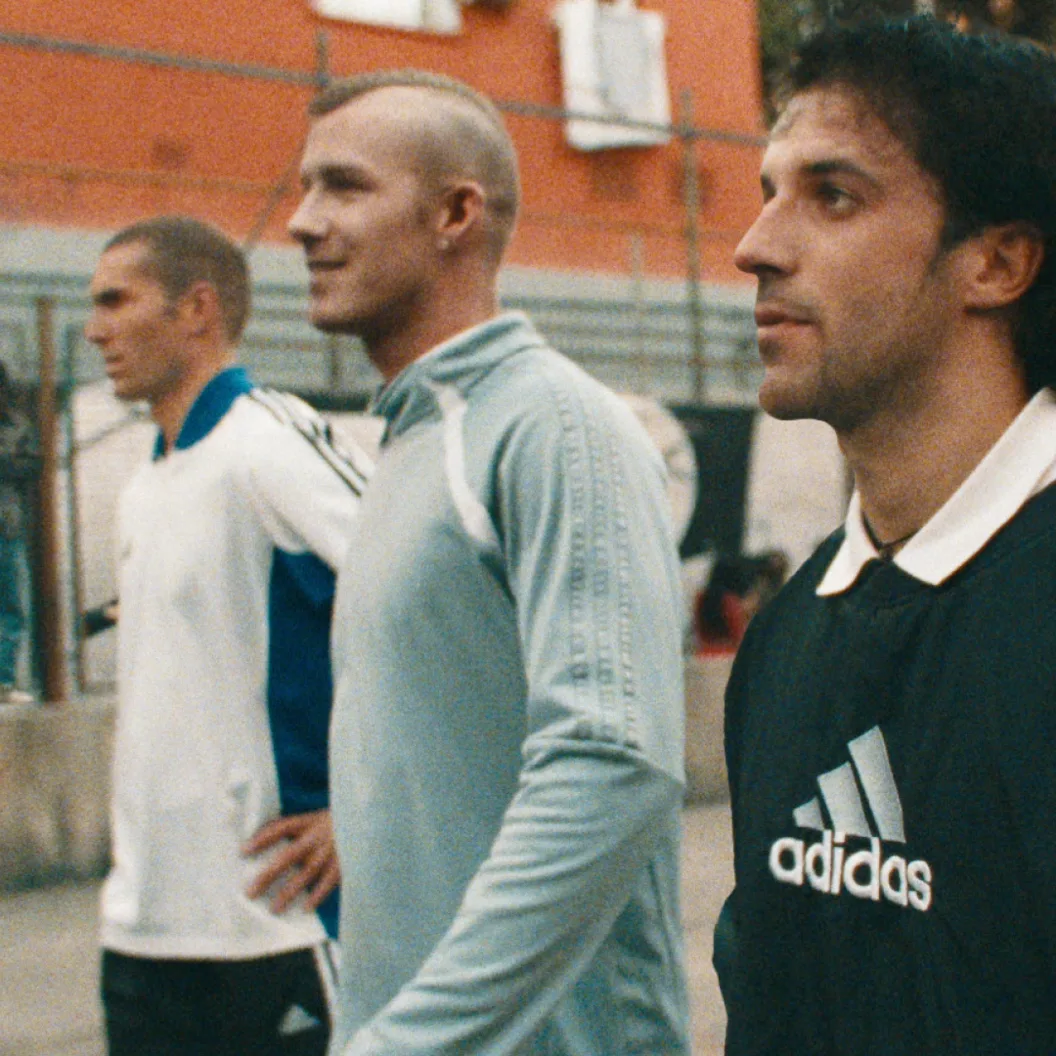
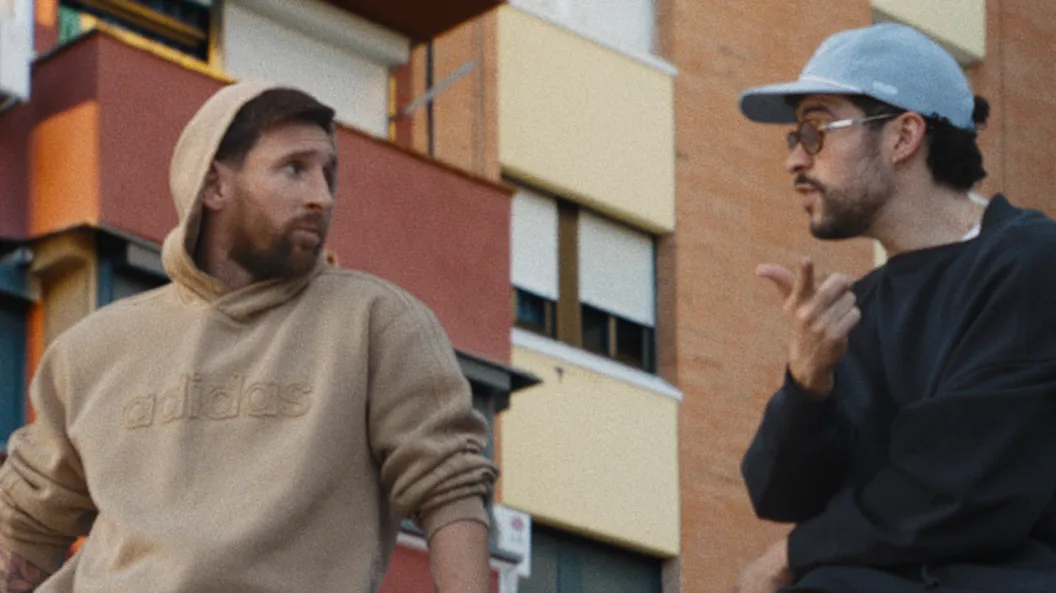
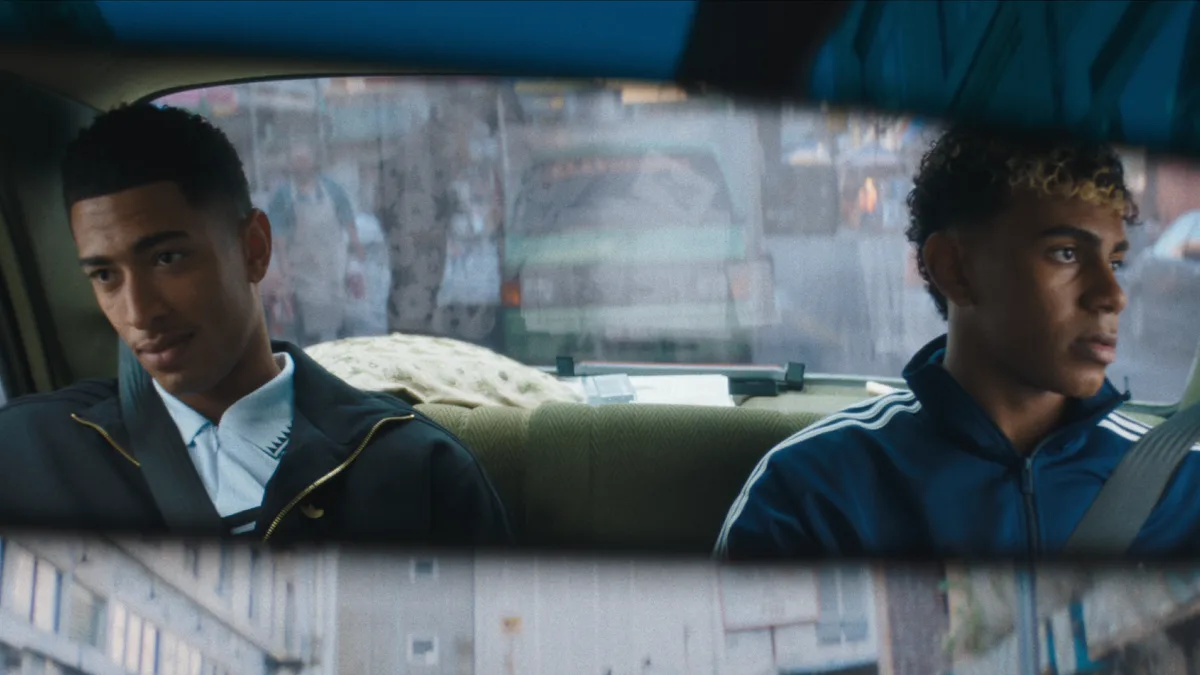
Adidas reportedly spent £50 million on its "Backyard Legends" campaign for the 2026 World Cup. The campaign draws on grassroots football culture featuring local pitches and narratives familiar to everyday players, according to Adidas VP Florian Alt, who said the campaign aims to connect with fans whether they watch on TV, social media, or within football communities [4, 3, 2].
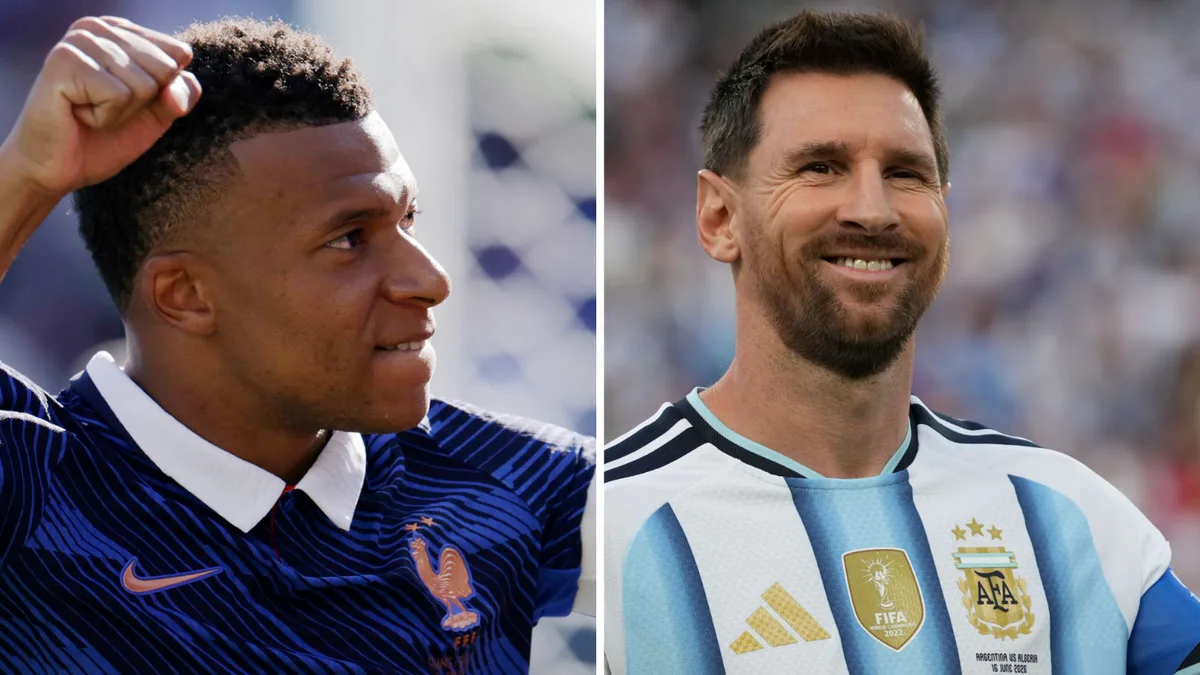
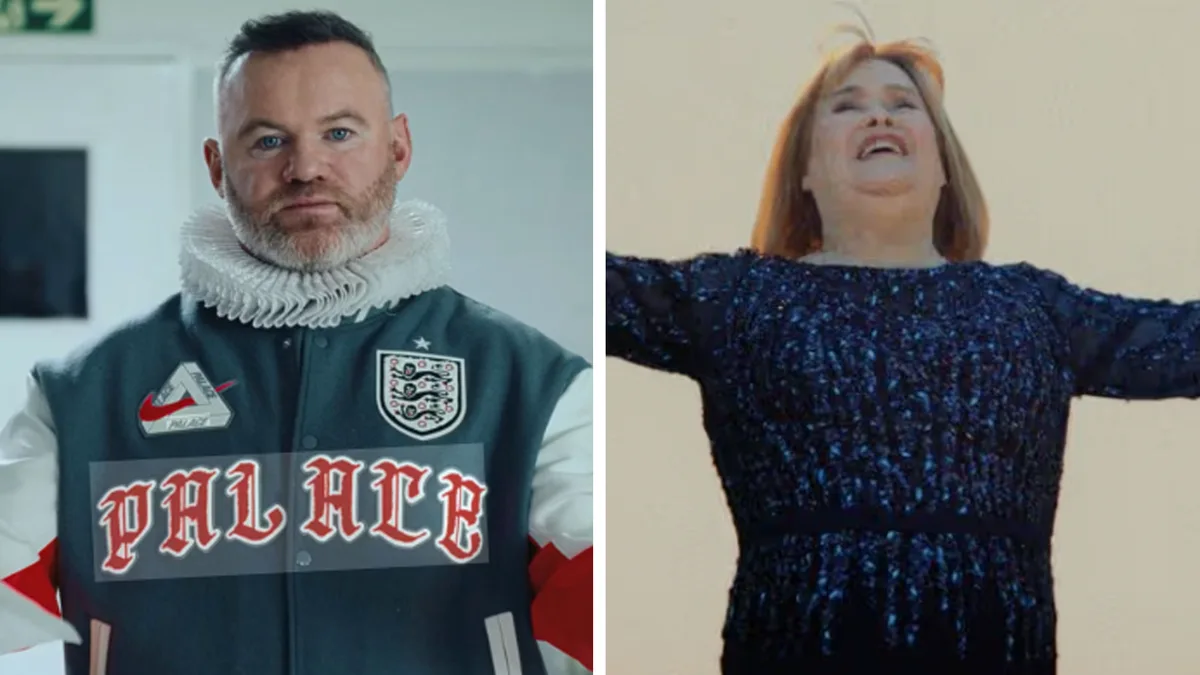
Nike also invested tens of millions in its "Rip the Script" campaign, which features global stars including Kylian Mbappe, Erling Haaland, Cristiano Ronaldo, and LeBron James [4, 3, 2]. While Adidas's campaign has about 7 million YouTube views as of June 2026, Nike’s campaign has generated roughly 76 million views, reflecting broader digital engagement [4, 3, 2]. Camilo Andrade, Nike’s Vice-President and General Manager of Global Football, said the campaign builds "a football universe that lives both digitally and in real life," emphasizing modern digital culture’s quick pace and fragmentation [4].
Adidas currently holds stronger global brand trust, ranking #2 on the 2026 RepTrak Top 100 Global Brand list compared to Nike at #50. Stephen Hahn, RepTrak’s chief officer, said Adidas entered the World Cup with accelerated momentum and a strong reputation, while Nike lagged in cultural resonance [1].
In revenue, Nike generated $46 billion in fiscal 2025, significantly more than Adidas's $29 billion. However, Adidas saw a 13% currency-neutral sales growth in Q1 2026 as Nike’s sales declined 9% in 2025 and remained down 1% through Q3 2026 [1]. Adidas also has a stronger in-person marketing presence during the World Cup in New York City, with a themed flagship store, popups, and citywide campaigns that leverage football culture into fashion and streetwear. Nike’s NYC focus remains more basketball-oriented, especially the NBA and New York Knicks [3, 2].
Adidas leverages football culture into fashion appealing to immigrant and youth demographics, notably through popular away kits from teams like Japan and Curacao [3, 2]. Camilo Andrade of Nike stressed that success is measured beyond digital views by how fans remix and extend the campaign in culture [4, 3, 2].
On June 17, Forbes analyzed Adidas’s sponsorship lead and brand momentum at the World Cup’s kickoff, affirming Adidas’s overall advantage in the competition’s marketing battle [1]. Both brands continue to compete intensely as the tournament progresses.
Nike’s "Rip the Script" campaign views and Adidas’s sponsorship count will remain key indicators as the World Cup advances in June 2026.