Uber said on September 2 it will lay off about 3,300 employees worldwide, representing roughly 10% of its global workforce of approximately 34,000 as of late 2025 [1, 2, 3]. These layoffs mark the company’s largest reduction since May 2020 when around 6,700 staff, or about a quarter of employees, were cut amid pandemic demand drops [1, 2, 4].
The restructuring is aimed at simplifying Uber’s organizational structure by reducing management layers and consolidating small teams. CEO Dara Khosrowshahi said, "The company has grown quickly in recent years, leading to increased management layers, coordination and dispersed responsibilities. Some organizational structures that made sense at smaller scales no longer do" [1]. He added, "A leaner organisation will mean clearer ownership, faster decisions, and more time spent building rather than coordinating" [5].
Uber plans to reduce the number of employees reporting more than seven layers below the CEO by about 20%, and cut ‘micro-teams’ with just one or two subordinates by nearly half [1, 2, 6]. Some managers will shift into individual contributor roles, and the cuts will affect both management and non-management roles [3, 7]. After layoffs, the workforce will be just below 30,000, returning to levels seen in 2021 [1, 2, 3].
The company will focus most staff at its key hubs in New York and San Francisco. Most remote workers will be required to relocate; fully remote roles will be limited to about 1% of employees [1, 2, 4]. It will continue hybrid work policies with most employees required to come into the office three days per week [2, 6].
Uber said the layoffs are not due to poor performance or AI-driven cuts but to reduce complexity from rapid growth [1, 5]. Analyst Adam Ballantyne noted, "As autonomous driving and related business grow, the employee skill sets required differ vastly from the human-driver-centric model, including managing costs such as hierarchy" [2].
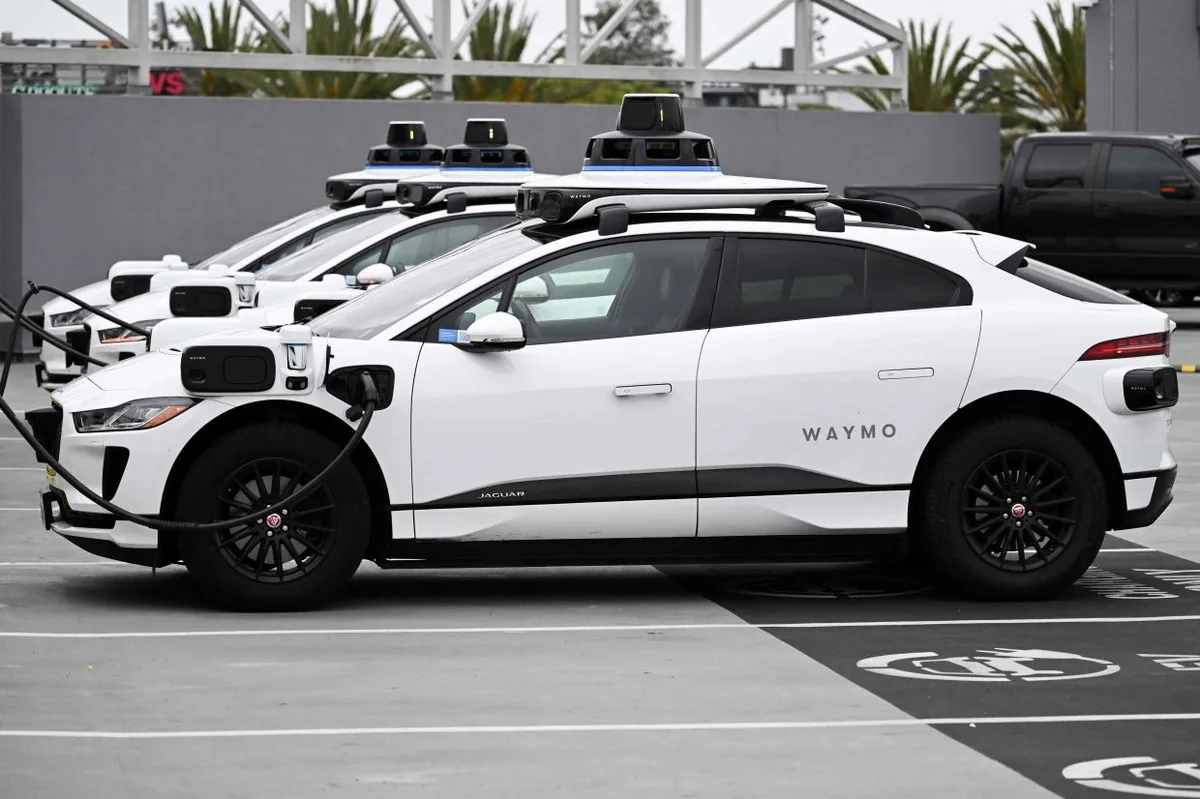
The savings from the layoffs, projected to reach up to $2 billion annually, will be reinvested into growth, innovation, and key capabilities including autonomous vehicle development [1, 2, 8]. Uber plans to invest over $10 billion in autonomous driving partnerships and projects over the coming years [2, 9, 3].
On September 3, Uber launched an autonomous robotaxi service in London using AI technology from UK firm Wayve, signaling its push into self-driving vehicles [6, 10].
Uber shares rose about 2% in pre-market trading following the layoffs announcement [1, 8]. The company has not publicly confirmed if layoffs affect specific regional offices such as Taiwan [3].