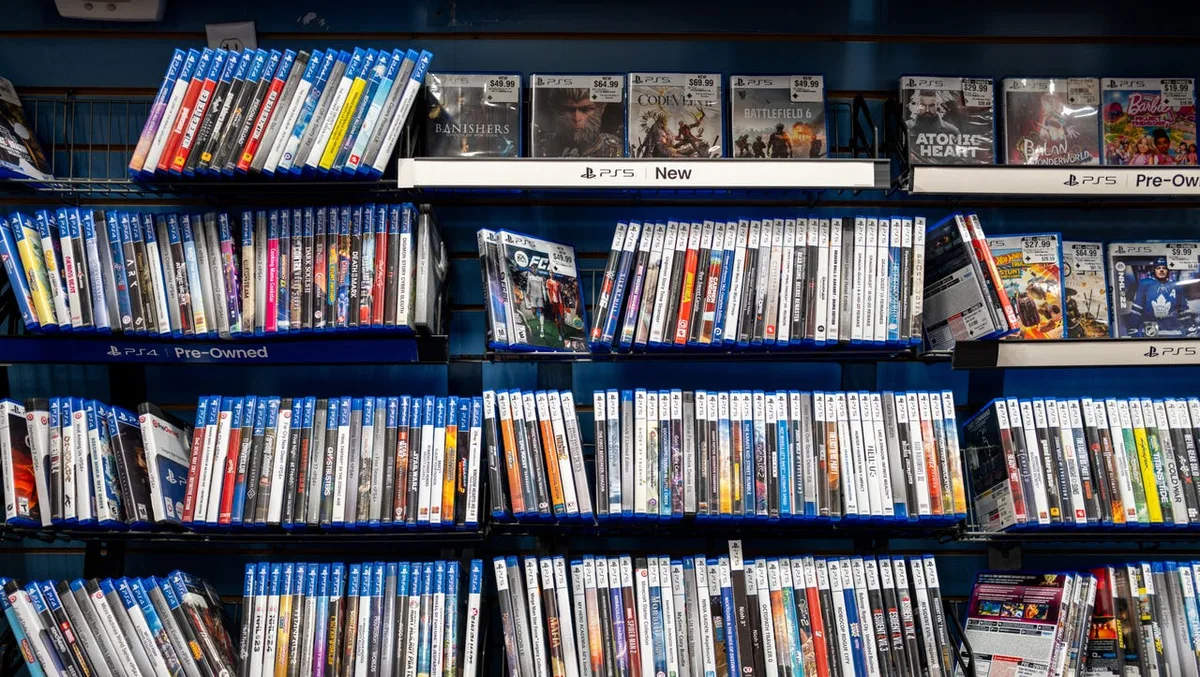
GameStop CEO Ryan Cohen declared in a July interview that physical video game sales are "totally irrelevant" to the company's business, as software sales now account for less than 12-18% of the retailer's revenue depending on the source. He stressed that collectibles, trading cards, and merchandise represent over 40% of total revenue, making them the main driver of GameStop's business today [1, 2, 3].
Cohen said, "It doesn't matter. It doesn’t matter at all. Software... it mattered in the past. Software today makes up less than 12% of the business, and collectibles makes up over half the business. So it’s totally, totally irrelevant" [1]. He repeated the point, calling game sales "totally, totally irrelevant" [3].
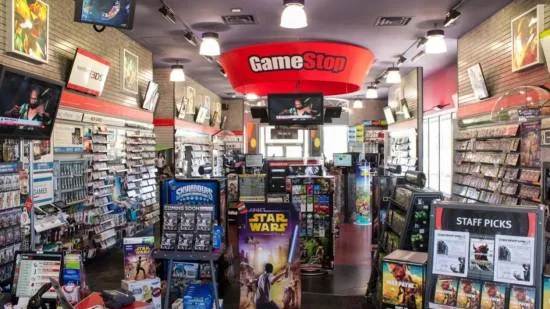
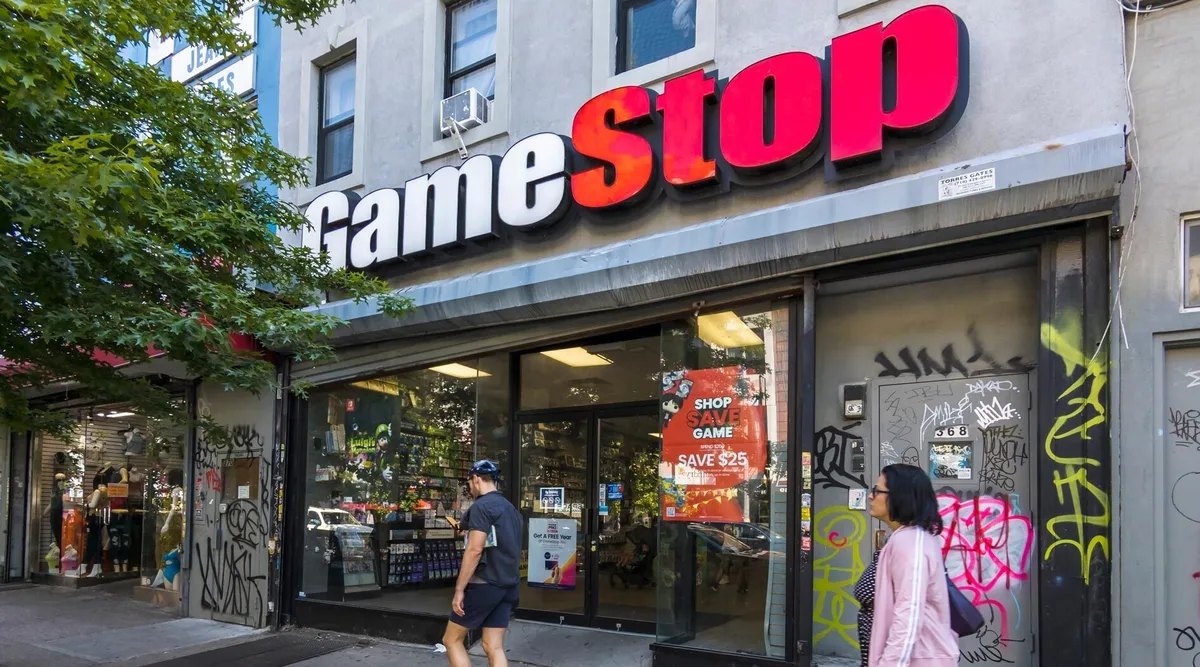
The company has been closing physical stores amidst this transition. By the end of 2025, GameStop had shuttered 590 of its roughly 2,325 US stores, leaving about 1,735 open. Store closures have continued into 2026 as part of ongoing restructuring [1]. Cohen claimed the company is making more money now than at any time in its history after these changes [1].
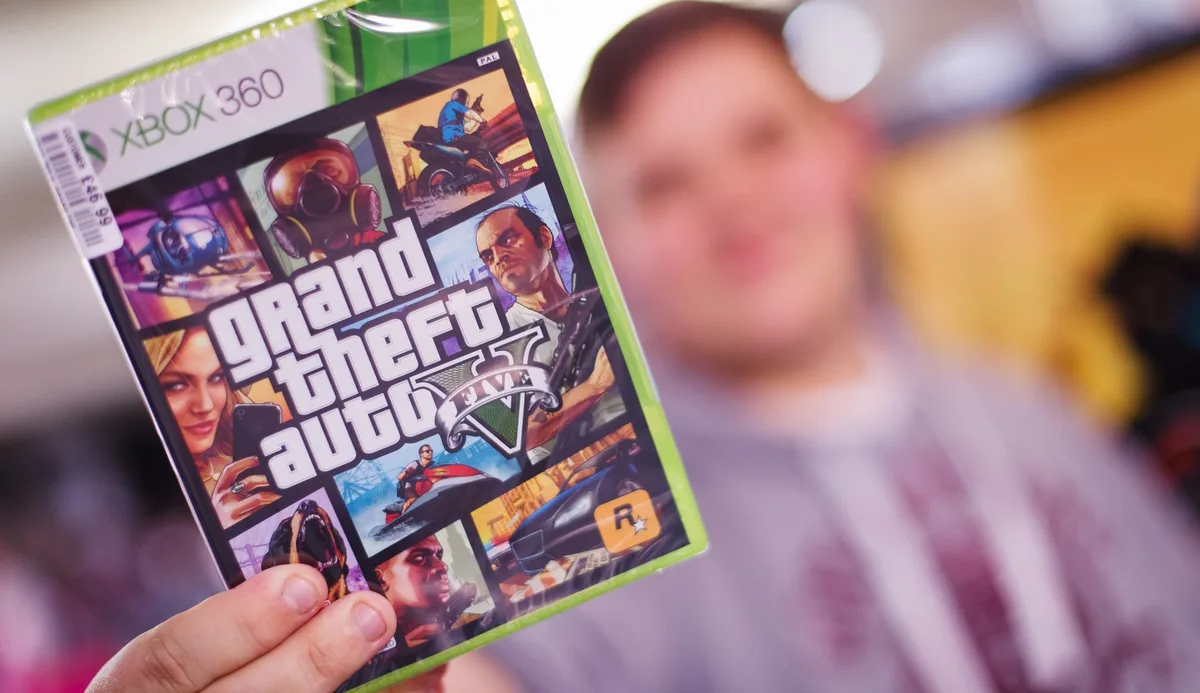
In line with shifting consumer trends, Sony announced in August it will stop producing physical discs for new PlayStation games starting in January 2028 [1, 2, 3]. Cohen declined to comment on the digital-only Grand Theft Auto 6 release, instead focusing on his $55 billion bid to acquire eBay to build an integrated digital marketplace around GameStop's collectibles business. That offer was rejected in May [1, 3].
On the strategic direction, Cohen challenged critics, saying, "I want you to look your viewers in the eyes and tell them, ‘Are you gonna bet on an entrenched management team running the business, or me... now the company is making lots of money?" [1].
GameStop continues to reposition itself as a collectibles and merchandise retailer while reducing reliance on physical software sales. The company’s next steps remain focused on evolving its digital marketplace ambitions tied to Cohen’s eBay acquisition plans.