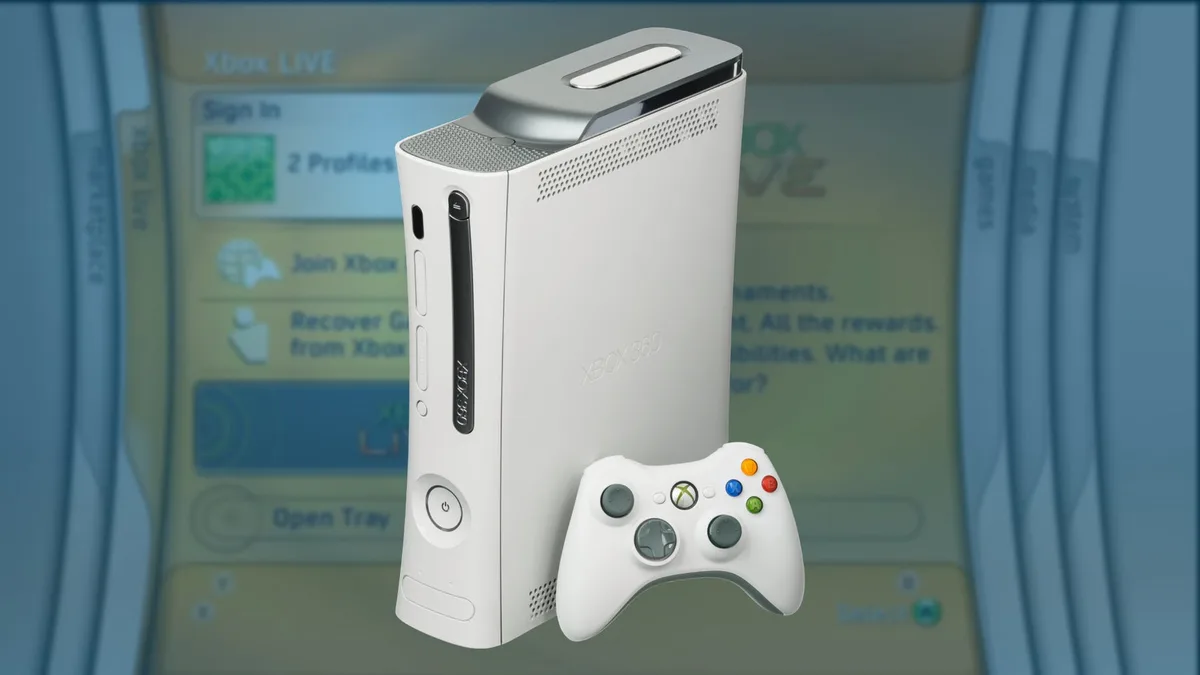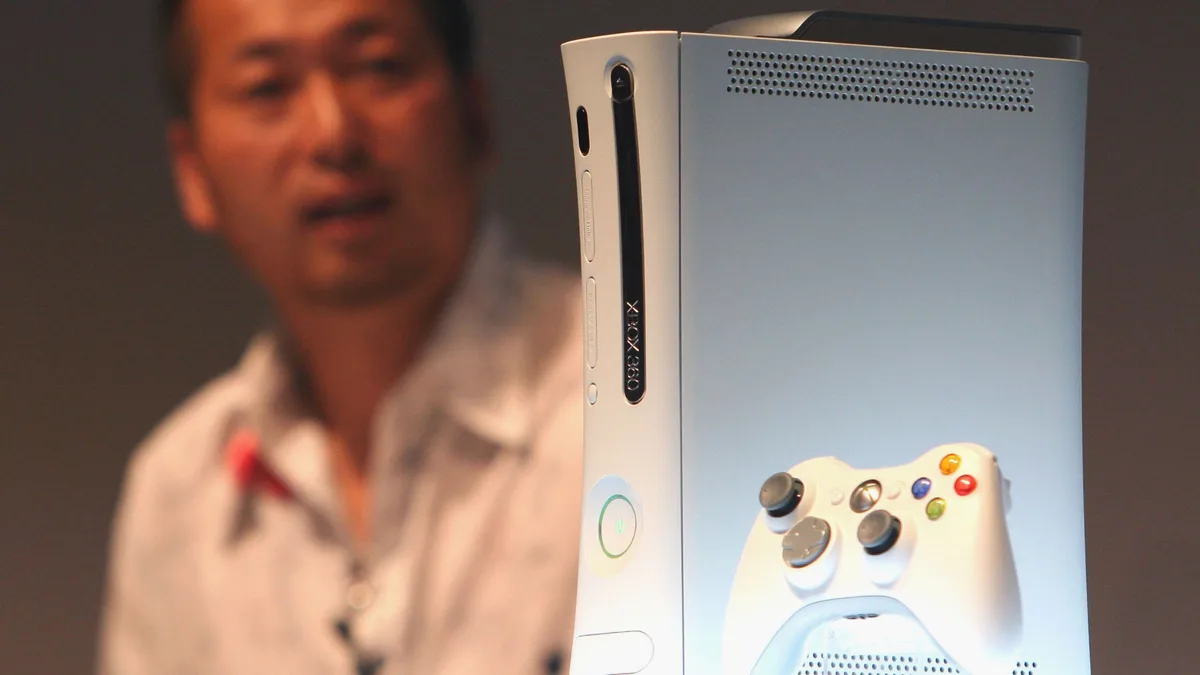
Microsoft announced plans to allow developers to bring Xbox 360 games to PC, enabling backward compatibility on "Xbox PCs" and upcoming devices such as the handheld ROG Xbox Ally and next-gen Xbox hardware including Project Helix [1, 2, 3, 4, 5]. Developers can opt in to make their Xbox 360 titles backward compatible across PC and new Xbox platforms. They will retain full control over pricing, availability on Game Pass, and other commercial terms, according to a document sent to publishers [1, 2, 6, 4, 5].
The rollout of Xbox 360 backward compatibility on PC and new hardware will be gradual, planned between 2027 and 2028 [1, 2, 3, 4, 5]. Project Helix, described as a next-gen Xbox device closer to PC architecture and potentially without a disc drive, will support this backward compatibility alongside handhelds and Xbox PCs [1, 2, 5].
Alongside backward compatibility efforts, Microsoft offers a disc-to-digital program allowing Xbox One and Series X owners to convert physical game discs into digital licenses tied to their account and original discs. This enables license transfer when the physical disc is resold [1, 2, 6, 3, 4, 5]. The program’s planned beta test with Xbox Insiders was set for July 2026, followed by a public launch in August 2026, but both testing and rollout have faced delays or remain unclear [1, 2, 6, 5].
In a related move, four original Xbox games were released on PC in July and August 2026 as part of the backward compatibility rollout, with more titles expected by October 2026 [1, 6, 3].
Microsoft stated to publishers, "Xbox will be responsible for all engineering, certification, and support work. Publishers retain full control of copyrights, pricing, and branding; you only need to opt in and set commercial terms. These programs will reactivate dormant game editions, bring new player groups to PC and handheld platforms, and create ready-made re-release opportunities without extra porting work" [5].
The next concrete step is the gradual introduction of Xbox 360 backward compatibility on Xbox PCs, Project Helix, and handheld devices, scheduled for 2027 to 2028 [1, 2, 3, 4, 5].