Sony Japan published a new customer harassment policy on September 1, 2026, detailing behaviors considered harassment and affirming protection for its employees against such actions [1, 2, 3, 4]. The policy lists persistent or excessive demands, abusive language, threats, slander, discriminatory or sexual conduct, attacks on employees, and unauthorized visits to company offices as examples of harassment [1, 2, 3, 4].
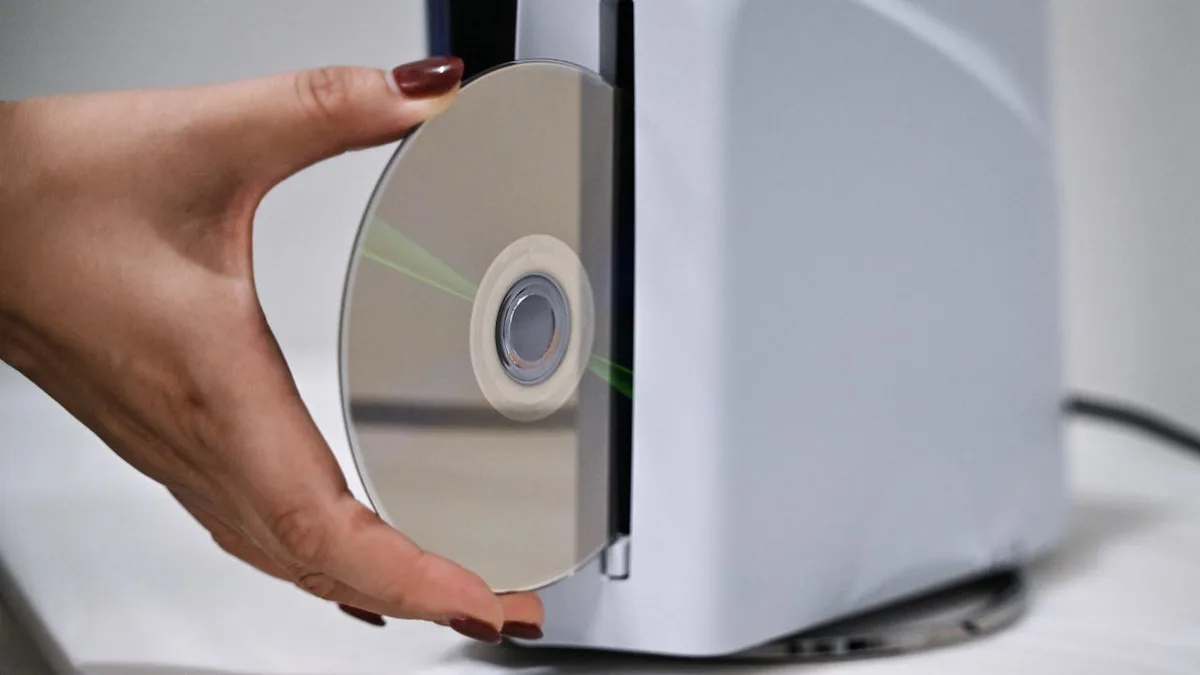
Sony said it may restrict or suspend customer services for violators and could pursue legal or criminal action if necessary [1, 2, 3, 4]. The policy is a response to harassment faced by Sony employees following the August 2026 announcement that physical PS5 disc production will end in January 2028 [1, 2, 3]. Sony explained, "Our company strives to provide honest service so that our customers can use our products and services with peace of mind, and we value customer feedback to improve our services. On the other hand, the dignity and safety of our employees must not be threatened by customer harassment, such as words or demands from customers that exceed what is considered reasonable according to social norms" [1].
The backlash intensified as Sony also faced a class action lawsuit claiming consumers were not clearly informed that digital games are licensed, not owned [1, 2, 3]. The new policy aligns with a 2025 Japanese law requiring employers to prevent harassment of workers by customers, enacted in October 2025 [1]. Observers interpret the policy as a firm stance against aggressive complaints mainly from players upset about losing physical PS5 discs [3, 4].
Sony originally announced in July 2026 that it would cease producing physical PS5 discs starting January 2028 [3]. The company’s new customer harassment policy helps define the boundaries of acceptable customer behavior while reaffirming employee protections. Sony will enforce the policy through service restrictions and legal measures if violations persist [1, 2, 3, 4].