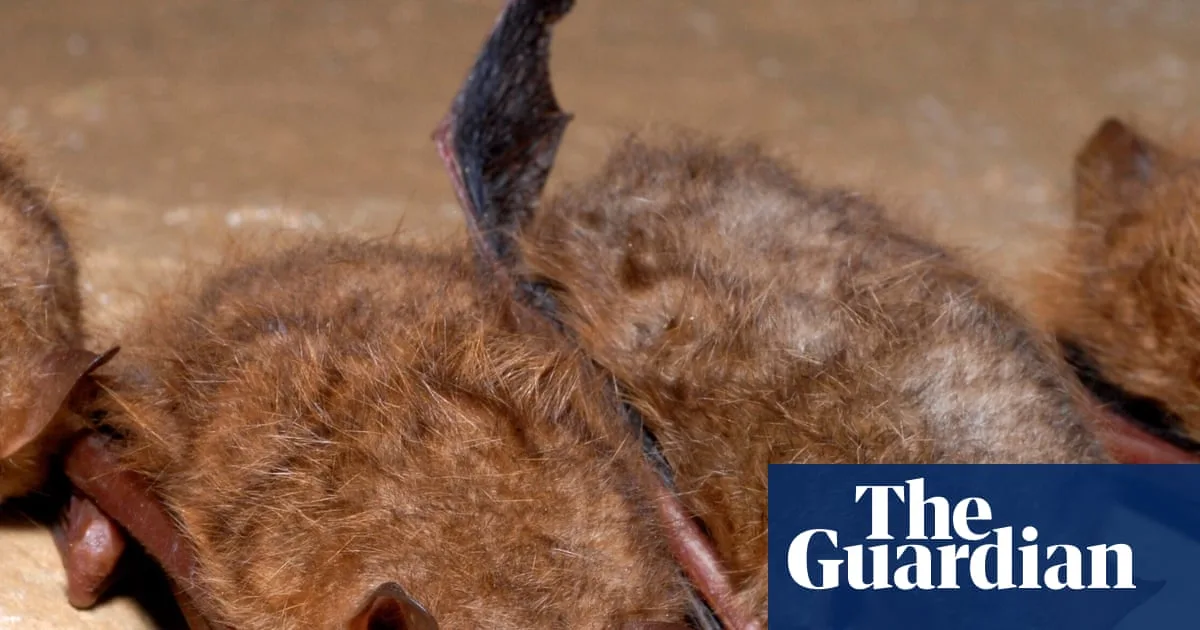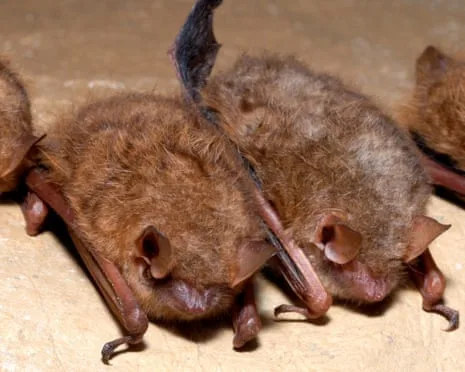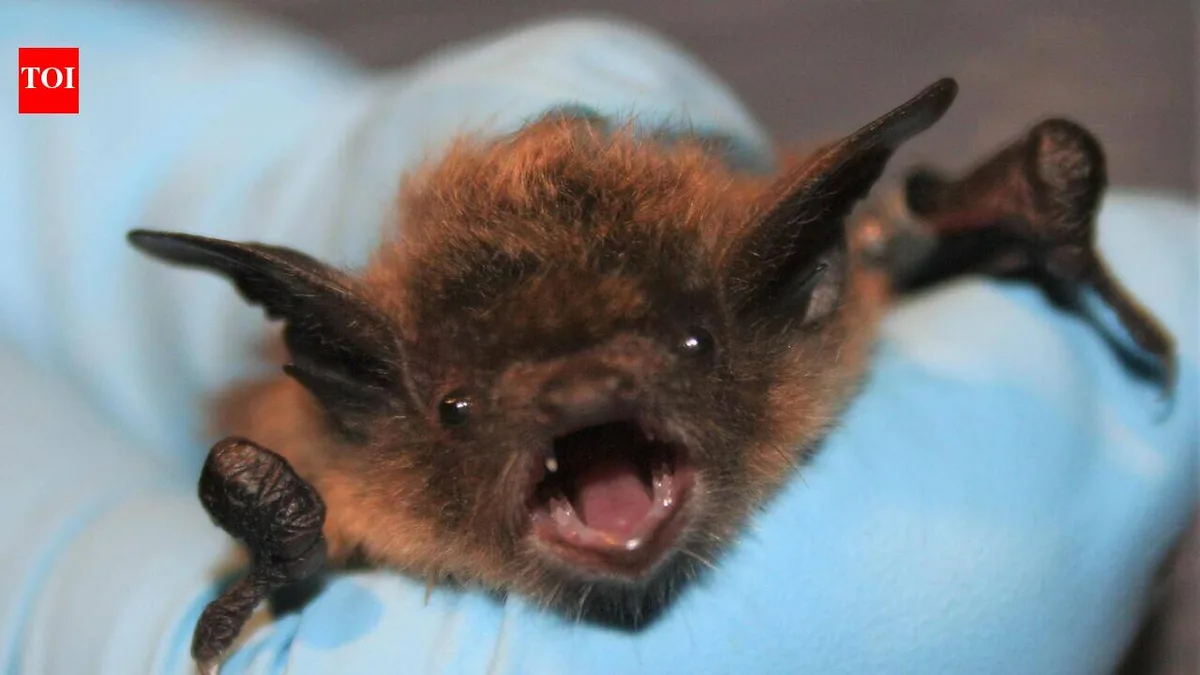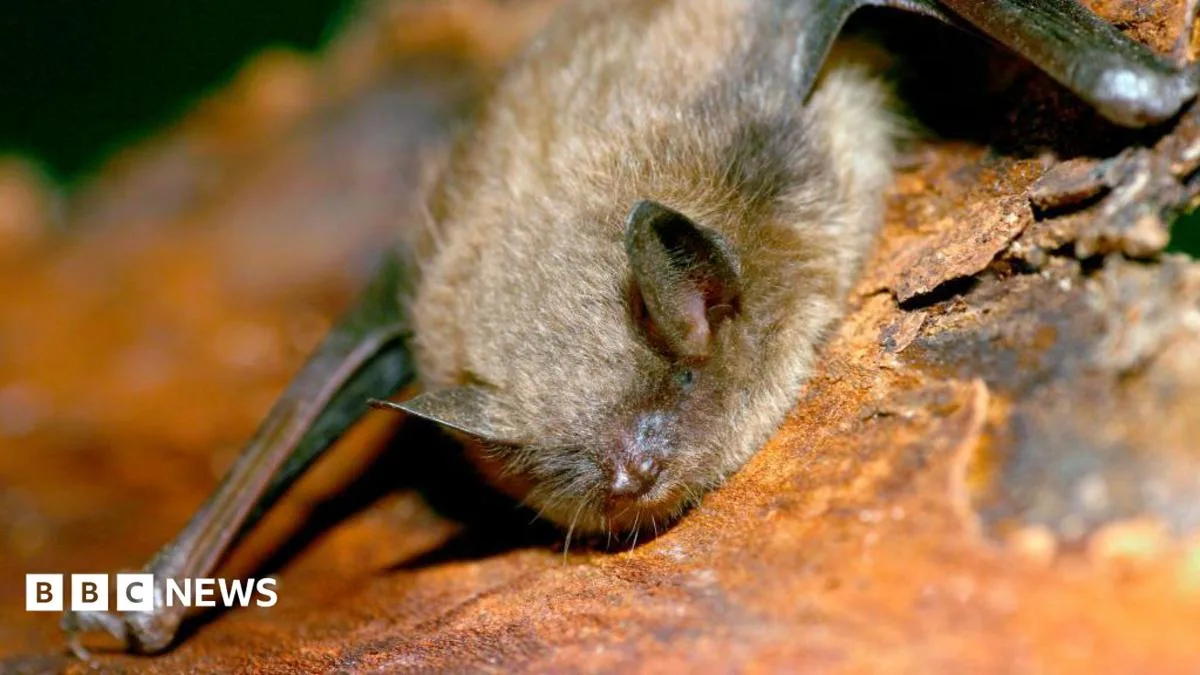
An 11-year-old Canadian boy died of rabies in 2024 after waking to find a bat resting on his nose and mouth while visiting a cottage in northern Ontario [1, 2, 3]. The boy swatted the bat off, and his father caught it in a cooking pot and released it outside [1, 2, 3]. Because the boy had no visible bite marks or scratches and the bat did not appear erratic, the family did not seek medical attention at that time [1, 2, 3].
About 19 days after the bat encounter, the boy developed initial symptoms including numbness, tingling, and swelling on the right side of his face [1, 2, 3]. His condition was initially misdiagnosed as Bell's palsy and herpes gingivostomatitis, and he was prescribed antiviral medication before rabies was suspected [1, 2, 3].
The boy's health rapidly declined with high fever, difficulty swallowing, confusion, visual hallucinations, and neurological deterioration, leading to intubation and admission to pediatric intensive care [1, 4, 3]. Infectious disease specialists then strongly suspected rabies infection, which was confirmed by laboratory tests identifying a bat rabies virus variant [1, 2, 4, 3].
The boy died 17 days after hospital admission due to rabies infection [1, 4, 3]. Rabies infection is exceedingly rare in Canada, with only 28 confirmed human deaths since 1924. This case was the first local human rabies death in Ontario since 1967 [1, 2, 3].
Experts warn that bat bites or scratches can be tiny and invisible, and the rabies virus can enter through saliva contacting mucous membranes or small cuts even without obvious injury. Pediatric infectious disease specialist Brian Hummel said, "Lack of visible wounds does not mean no exposure" [5]. A report in CMAJ advised, "Any direct human contact with a bat is an indication for rabies postexposure prophylaxis even if no visible bite or scratch is present" [6].
Prompt post-exposure prophylaxis treatment given early almost always prevents rabies [1, 2, 3]. Although doctors considered experimental treatment involving rabies antibodies administered directly into the brain, they did not pursue it due to invasiveness and limited evidence of efficacy [2].
The boy’s tragic death highlights the critical need for medical attention after any bat contact. Rabies experts emphasize seeking prompt evaluation for post-exposure prophylaxis to prevent such outcomes.