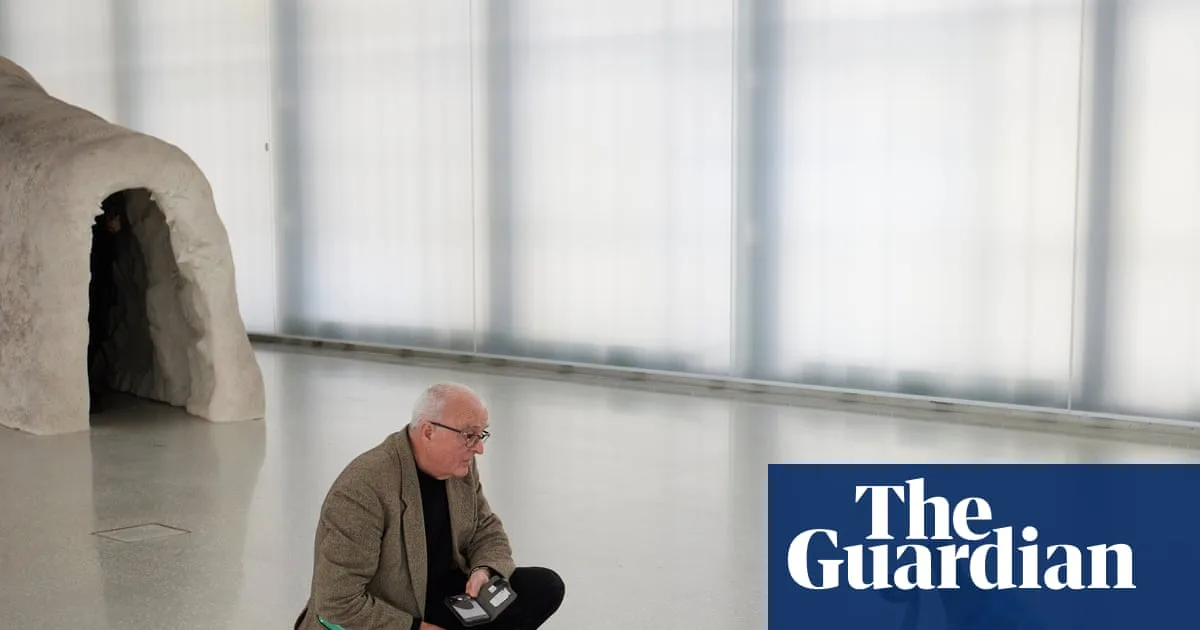
A study of 3,556 UK adults found that people who took part in arts and cultural activities at least weekly showed slower biological ageing than those who rarely did so. The research, led by UCL academics including Prof Daisy Fancourt and Dr Feifei Bu, was published in the journal Innovation in Aging. [1, 2]
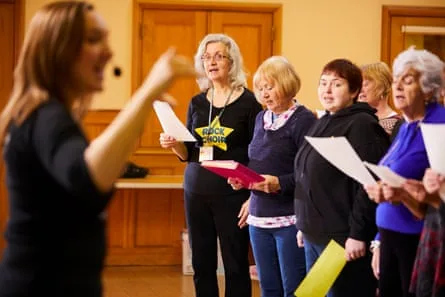
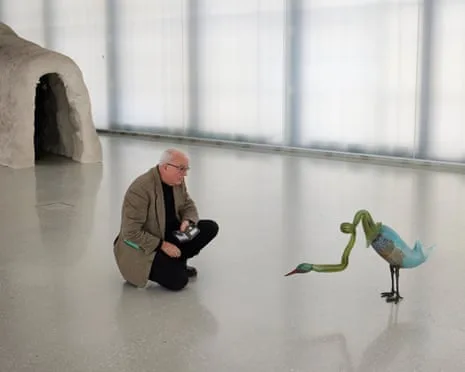
The study drew on data from the UK Household Longitudinal Study and examined forms of engagement including singing, painting, visiting galleries or museums, reading and listening to music. Researchers said those who joined arts activities weekly showed about 4% slower biological ageing, equal to being about 1 year younger biologically than infrequent participants. [1, 2]
The report said monthly engagement was also linked to slower ageing, at about 3%. It also found weekly arts participants had a smaller biological-age gap than weekly exercisers, who were about 6 months younger biologically. The findings do not mean arts participation directly extends lifespan, the article said. [1]
Prof Fancourt said, “These results demonstrate the health impact of the arts at a biological level.” Dr Bu said, “Our study provides the first evidence that arts and cultural engagement is linked to a slower pace of biological ageing.” [1]
Fancourt also said in Chinese-language remarks that art may help lower stress, reduce the release of cortisol and affect inflammation-related processes in the immune system. A participant quoted in the Chinese report said looking at a painting in her hallway gave her energy and helped start her day. [2]
The Guardian published its report on May 12, and 8视界 followed on May 13. [1, 2]