The European Union unveiled a new sanctions framework on July 9 targeting migrant smuggling, human trafficking, firearms and drug trafficking, and money laundering connected to organized crime outside the bloc [1, 2, 3, 4, 5]. The proposed measures include asset freezes and travel bans against individuals and entities involved in these crimes [1, 2, 3, 4, 5].
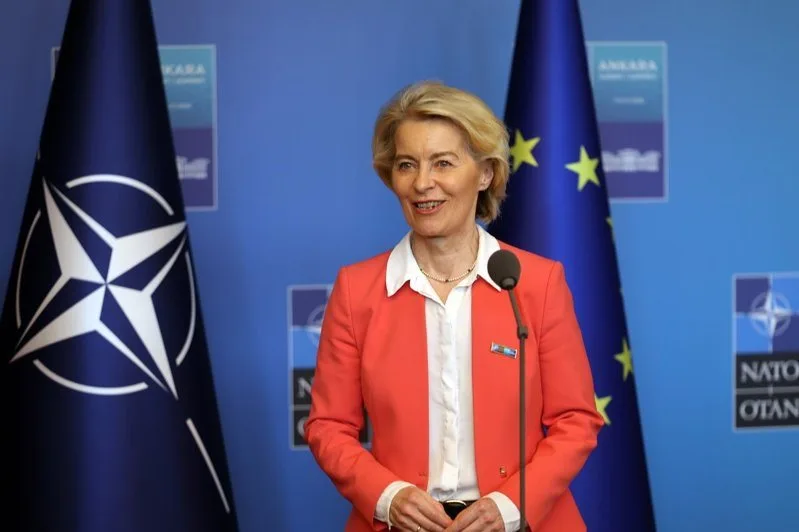
EU Commission President Ursula von der Leyen said, “We all have a common goal. To drive them out of business. And to save the lives of thousands of people who dream of a better life.” She added, “We in Europe must be the ones to decide who comes to us and in what circumstances,” underlining the EU’s intent to assert control over migration flows [1].
The sanctions target multiple forms of organized crime linked to migration, including firearms and illicit drug trafficking, expanding beyond just migrant smuggling and trafficking [4]. However, the sanctions require unanimous approval from all European Council members before they can be enacted [1, 2, 3, 4, 5].
Earlier in June 2026, the European Parliament approved a migration policy reform simplifying deportations and allowing offshore detention centers, aiming to tighten migration controls [1, 2, 3, 5]. The reform faced criticism from France and Spain over concerns it was too harsh and could weaken asylum protections [1, 2, 3, 5].
The new sanctions proposal builds on these recent steps to combat irregular migration and related crime by targeting the criminal networks profiting from human exploitation. The European Council debate and vote on the framework are awaited next, marking a critical step before implementation.