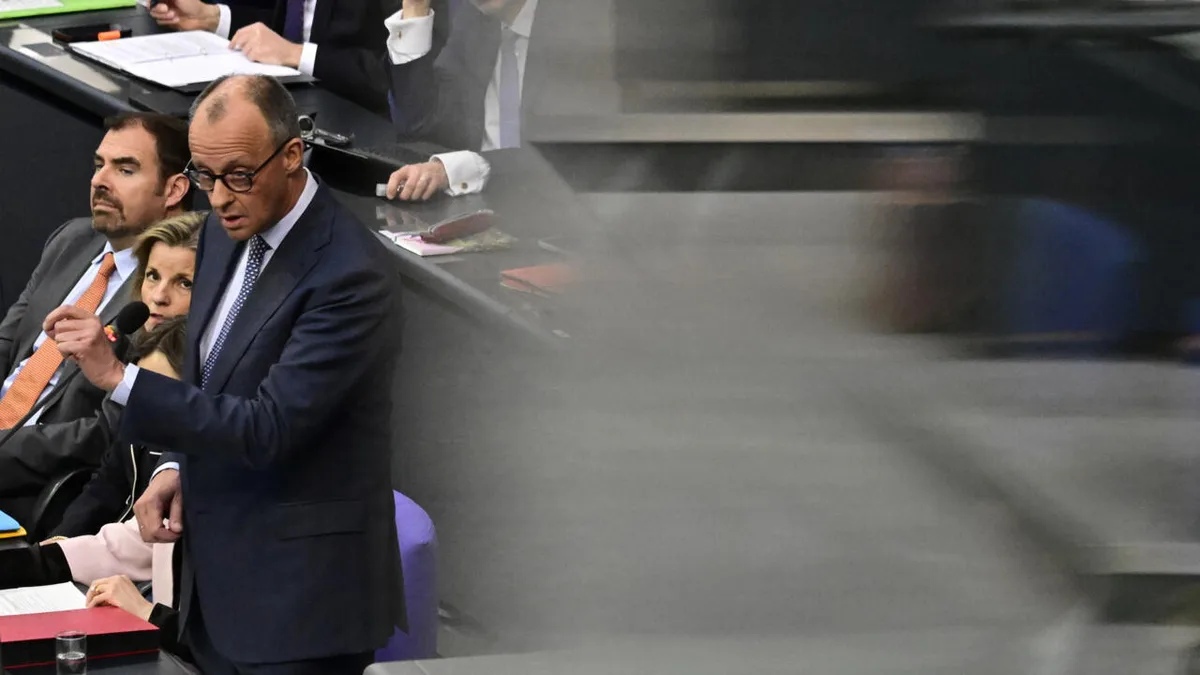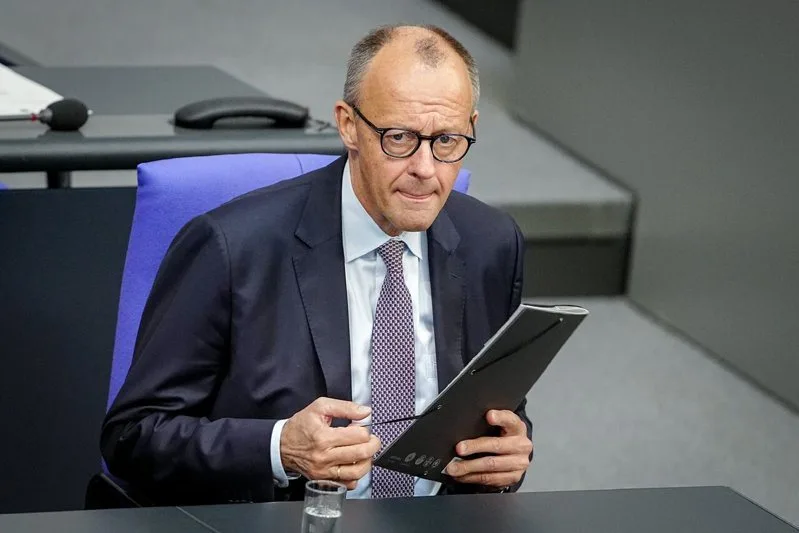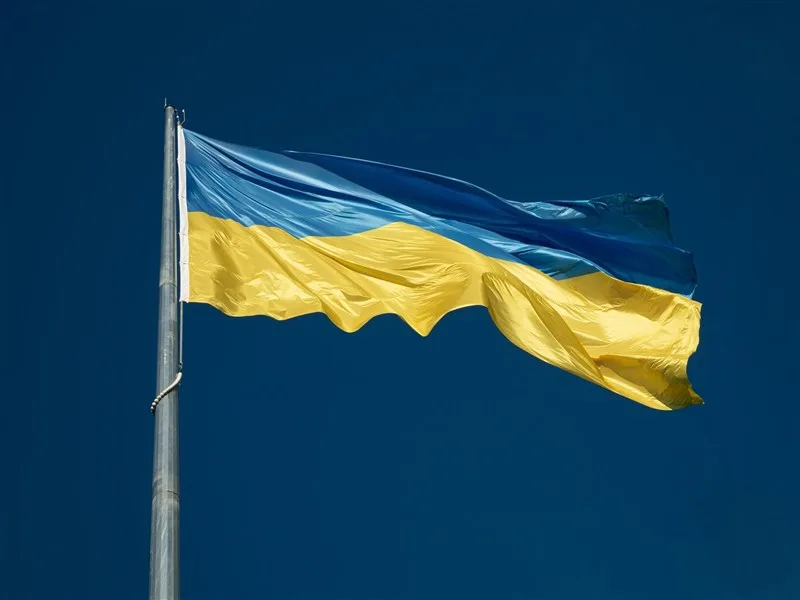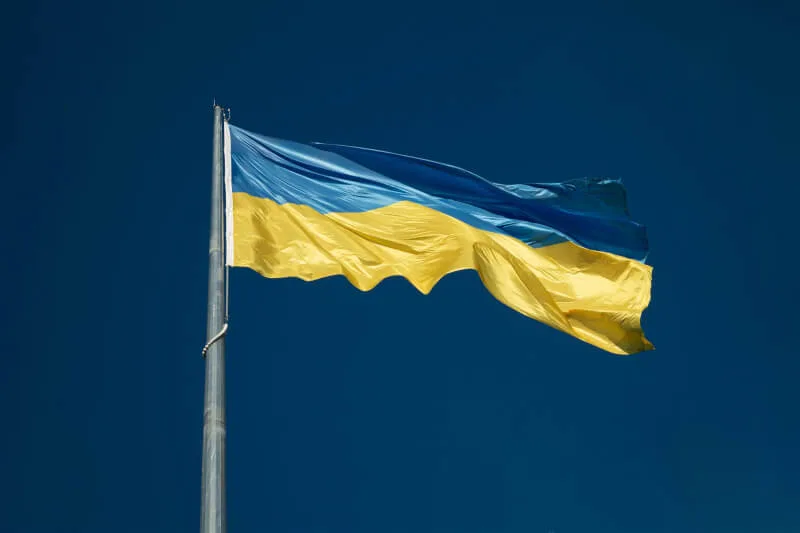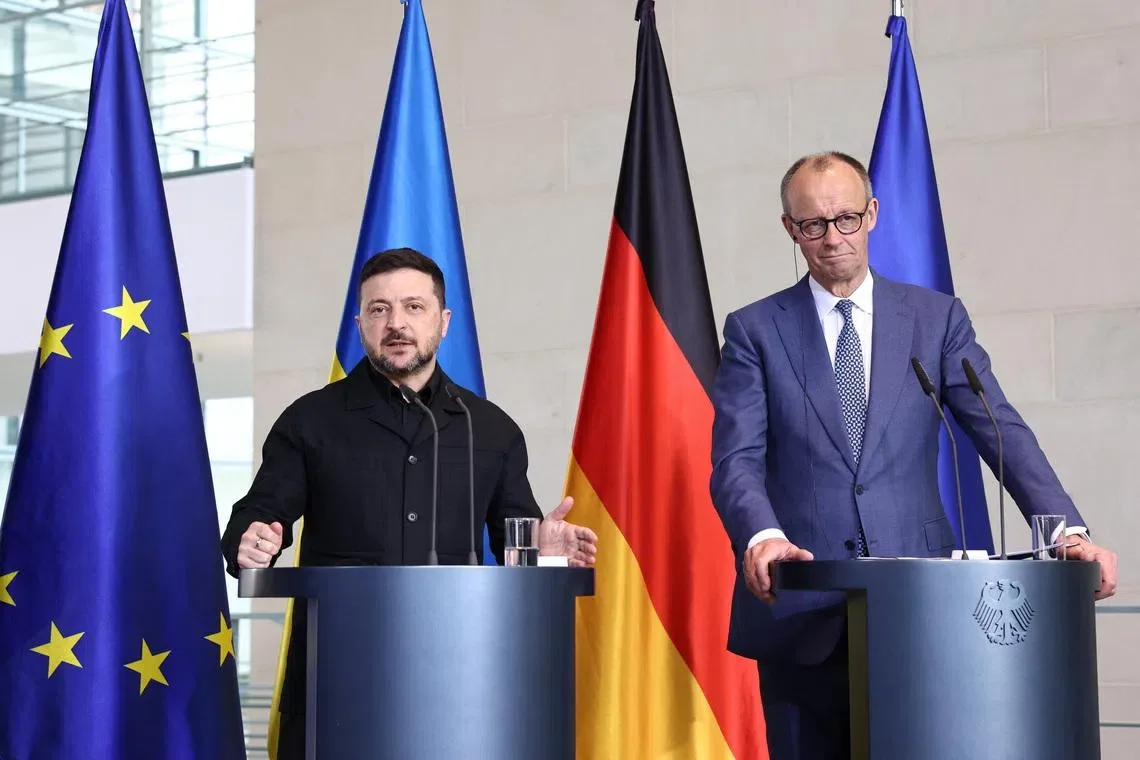
German Chancellor Friedrich Merz on May 21 proposed a new "associate membership" status for Ukraine in the European Union. The plan would allow Ukraine to attend EU summits and participate in institutions without voting rights, representing a political solution amid Ukraine's ongoing war conditions [1, 2, 3, 4, 5, 6, 7, 8, 9, 10].
Under the proposal, Ukraine would gain representation in the European Commission, the European Parliament, and some ministerial meetings. Ukrainian ministers would have speaking rights but not votes. Ukraine’s president would attend EU summits as an associate member [1, 2, 3, 4, 5, 7, 8, 9].
Merz also suggested applying the EU’s mutual assistance clause to Ukraine under this status to provide security guarantees as part of an interim step towards full membership. He said, "My proposal reflects Ukraine's particular situation, a country at war. It will help facilitate the ongoing peace talks as part of a negotiated peace solution" [1, 2, 5, 6, 7, 8, 9].
Merz acknowledged that full EU membership would take many years. He said, "It is obvious that we will not be able to complete the accession process shortly, given the countless hurdles as well as the political complexities of ratification processes". The full accession requires approval of all 27 member states and significant reforms, making near-term full membership unlikely [1, 2, 3, 4, 8, 9].
The associate membership might include EU budget subsidies for Ukraine, but without granting voting rights in EU bodies. Merz called on EU leaders to immediately open all accession negotiation chapters for Ukraine alongside the associate membership option [2, 6, 7, 8].
Ukraine’s president Volodymyr Zelenskyy rejected the proposal, calling it unfair and likening it to a "second-class" membership without voting rights. He said, "Ukraine is on the frontline defending Europe against Russian aggression and should not receive only 'half a membership' without voting rights. This is unfair" [10]. Some Ukrainian officials warned the status could trap Ukraine in a "permanent waiting room" without guarantees for full accession [9].
The concept of "associate membership" is not currently an established EU category and would likely require treaty changes. The proposal is under discussion among EU leaders [1, 10]. Hungary’s Viktor Orban, who had previously blocked Ukraine’s progress, was ousted in early April 2026, raising hopes of smoother talks [2, 10].
The timeline for Ukraine’s full EU accession remains uncertain, with some unofficial plans targeting 2027. The German proposal aims to bridge the gap with a political solution reflecting Ukraine’s war status until full membership becomes possible [1].