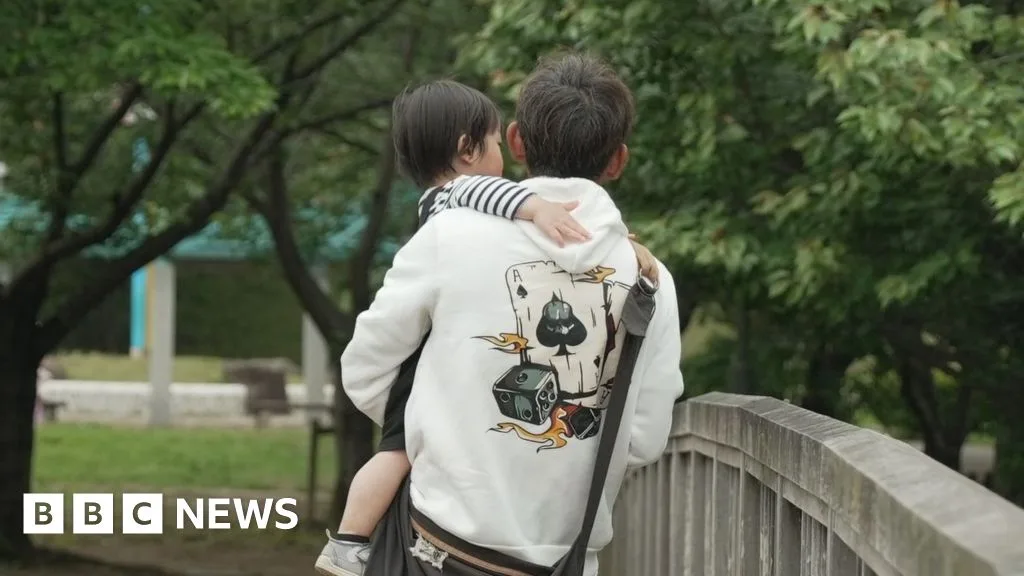
Japan officially shifted from a sole custody system to allowing joint custody for divorced couples on April 1, 2026, amending its Civil Code [1, 2, 3, 4]. Before this change, Japan was the only G7 country that did not recognize joint custody, with one parent granted sole custody after separation [1, 2, 3, 4].
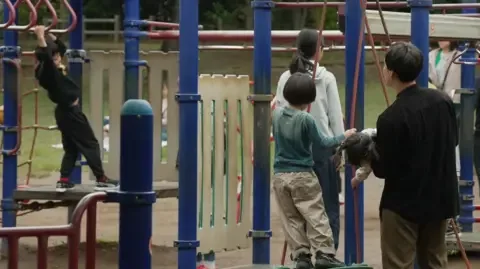
Under the previous system, the parent who first took the children after separation gained sole legal rights. This often cut off contact between one parent and the children, as shown by John Deng, a Hong Kong-born father who lost custody of his 8-year-old son and 10-year-old daughter after divorce. Deng now has limited supervised visitation and no phone contact, saying, "I felt helpless — sad and also angry about the system that is allowing that to happen. They mean the world to me" [1].
About 38.5% of marriages in Japan ended in divorce in 2024, affecting more than 164,000 children under 18, according to the Ministry of Health, Labour and Welfare [2, 3, 4]. Over 86% of custody cases that year were awarded to mothers, with very few joint custody arrangements recorded [2, 3, 4].
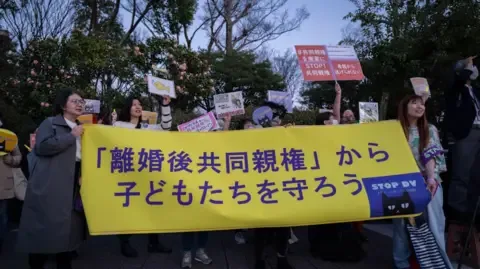
The law reform is considered the most significant in Japanese family law in decades and aligns Japan with other G7 nations [1, 2, 3, 4]. Family lawyer Seiya Saito said the change prioritizes children's best interests, adding that "一切都以兒童的最大利益為出發點" (everything starts from the best interests of the child). He explained that courts must assign sole custody to one parent if verified domestic violence or abuse exists before separation [2, 3, 4].
Domestic violence survivors caution the law could expose victims to renewed risks if forced contact with abusers occurs. Advocate Chisato Kitanaka warned, "這裡存在一個風險,那些遭受家庭暴力或受到虐待的兒童,可能有機會無法逃離" (there is a risk victims of domestic violence or child abuse may not be able to escape). Ryo, a survivor, fears the joint custody rights could force contact with her abusive ex-husband, endangering her family. Her 18-year-old son Taro described long-lasting trauma from witnessing abuse, saying, "我希望自己沒有存在於這個世界上。我甚至希望父母從未相遇,而我也從未出生" (I wished I had never existed and that my parents had never met) [2, 3, 4]. Some victims are concerned courts may require high evidence standards to prove abuse, which could deny them protection despite ongoing danger [2, 3, 4].
Japan's move to joint custody also comes amid broader challenges such as low birth rates and rapid population aging, prompting calls to improve family support and social policies [2, 4].
Japan’s parliament passed the amendment in 2024, and the law took effect exactly two months ago, on April 1, 2026 [1, 2, 3, 4]. Courts and families will now navigate the new custody framework as cases arise under the joint system.