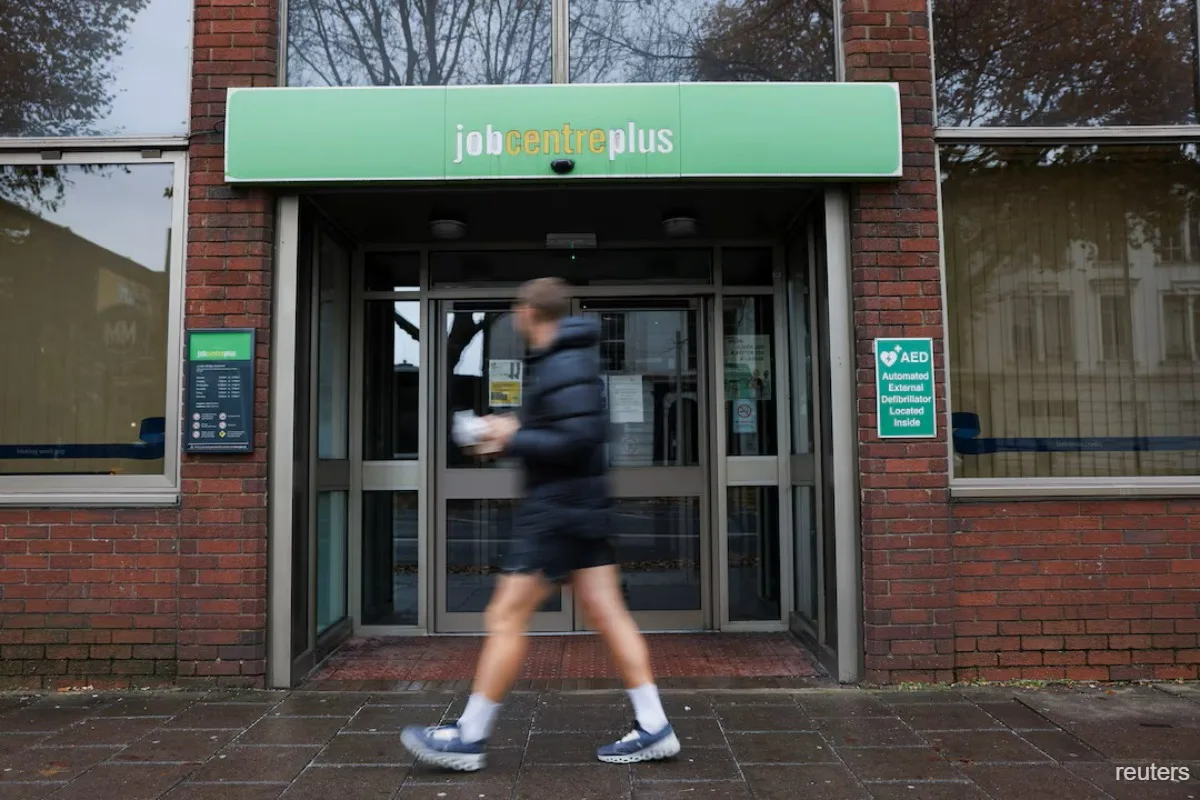
The number of young people aged 16-24 not in employment, education, or training (NEET) in the UK has risen to just over 1 million, or 13.5% of that age group, the highest since late 2013 as of early 2026 [1, 2, 3]. A government-commissioned review led by former Labour minister Alan Milburn warned on May 28 that the UK risks a “lost generation” as NEET numbers threaten to rise further to one in six within five years [1, 4, 2, 3, 5]. Milburn said, “Detachment is no longer temporary. For too many young people it is becoming permanent. We are at risk of a lost generation.” He added, “This is not a failure of young people. It is a failure of a system stuck in the past” [1, 2].
The report revealed a steep decline in entry-level jobs, apprenticeships, part-time weekend roles, and work experience opportunities for young people [1, 4, 2, 6, 3]. Six in ten NEETs have never held a job, compared with four in ten twenty years ago [1, 3]. Over 70% lack good school grades, though 15% have a university degree [1]. Poor health limits work capacity for 44% of NEET young people, up from 26% a decade ago, largely due to mental health issues, learning difficulties and autism [1].
The economic consequences are sizable. Welfare benefits for NEET youths cost about £3.2 billion annually, while getting them all into full-time work could add £38 billion to the economy each year. The report estimated foregone growth may be as high as £125 billion yearly due to youth disengagement [1, 3]. The welfare system was criticized for “exacerbating inactivity” rather than encouraging employment [1, 3].
Despite 84% of NEETs wanting work or training, government spending heavily favors welfare payments, with only £1 on employment support for every £25 of welfare payments for this group [1, 4, 5]. The review's findings prompted the UK government to announce on May 29 a plan to create 300,000 additional work experience and training placements targeting jobseekers claiming benefits in sectors such as construction, health and social care, and hospitality [4, 7, 5]. These placements will combine work experience, short training programs and guaranteed job interviews [4, 7, 5]. The expanded program has backing from employers including Manchester and Gatwick airports [7].
Work and Pensions Secretary Pat McFadden said, "The evidence is clear, give young people real work experience and the chances of them building a lasting career increase dramatically." He added, "The report showed the scale of the challenge and the root causes of youth unemployment we now need to confront." [1, 7]
Prime Minister Keir Starmer described the report’s findings as "sobering" and pledged that the government will “do more to prevent a lost generation” [2, 3]. Shevaun Haviland, director general of the British Chambers of Commerce, called the report a "wake-up call for policymakers about the crisis of young people not in employment, education and training" [2].
The new placement scheme is in addition to the government’s existing £2.5 billion youth employment support package, which aims to create 200,000 jobs [4]. The 300,000 placements are scheduled to roll out over the coming three years, marking the next practical step in addressing youth disengagement in the UK.