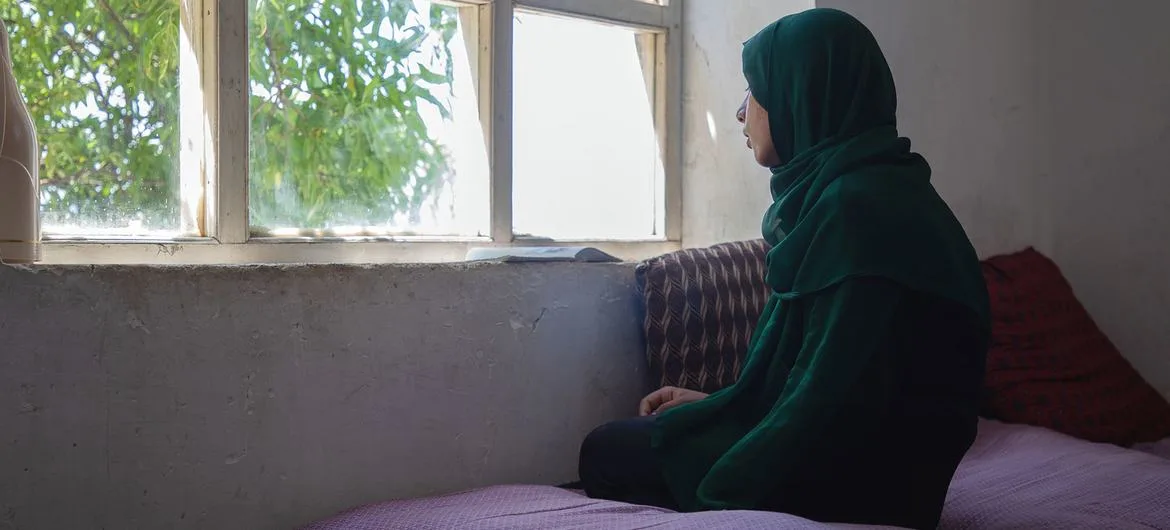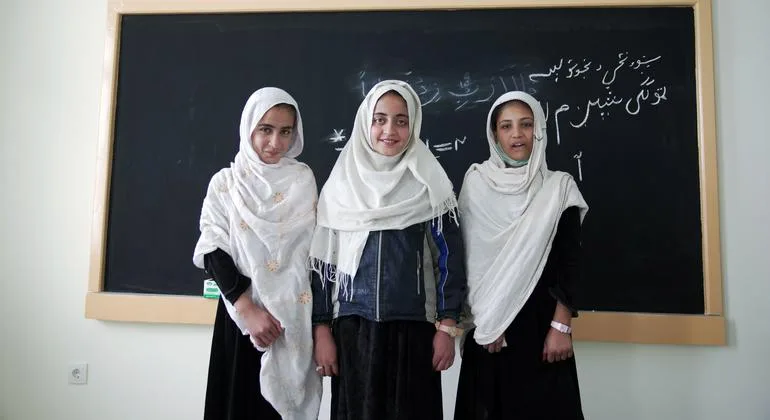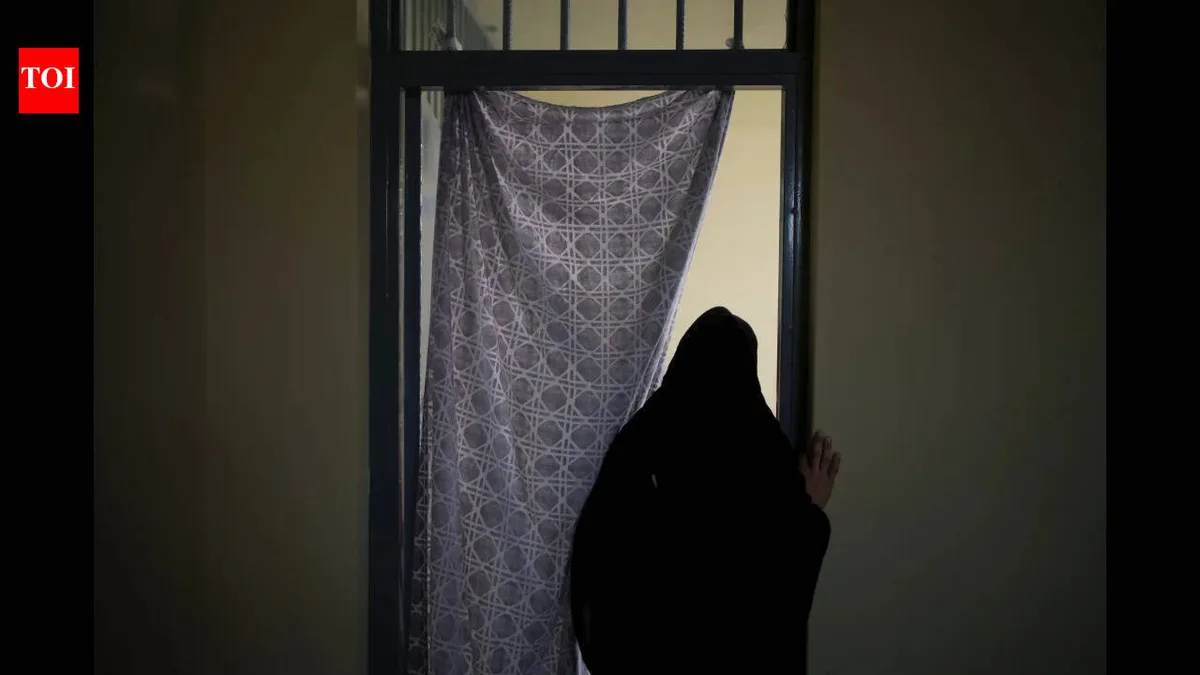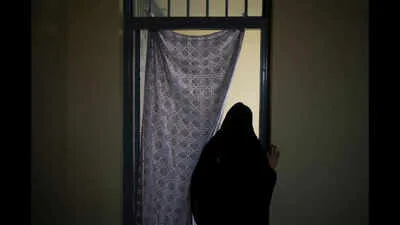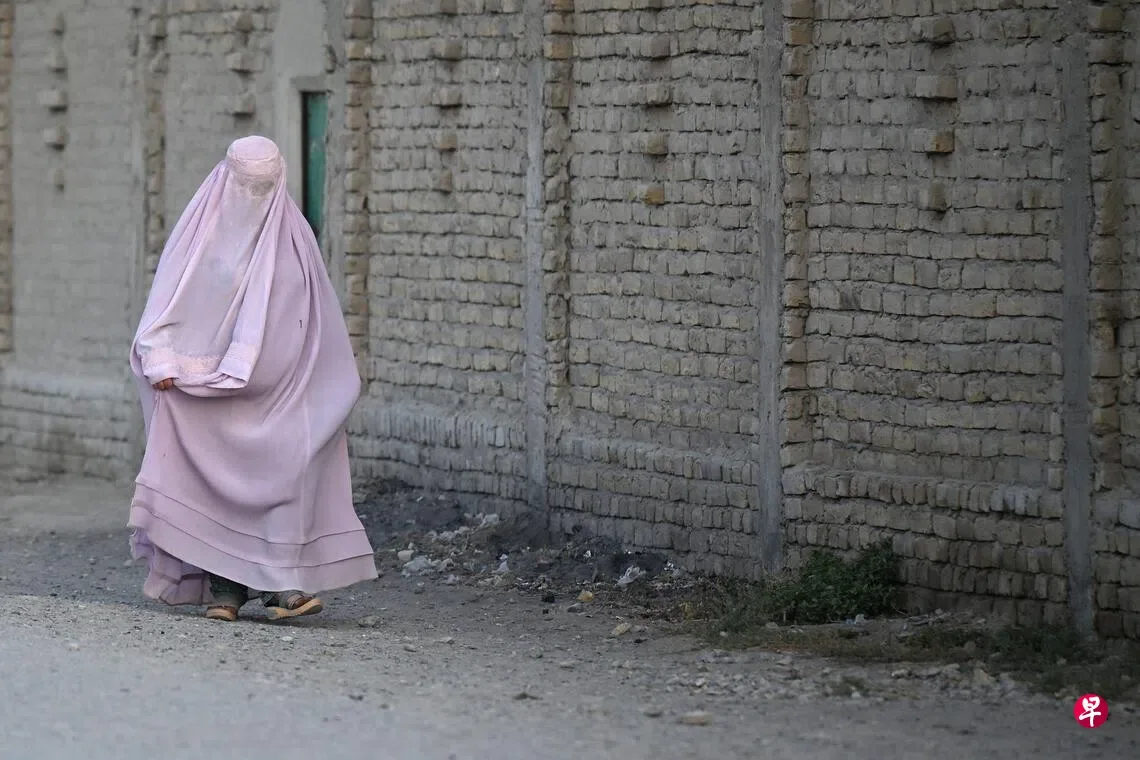
Since regaining control of Afghanistan on August 15, 2021, the Taliban have barred an estimated 2.4 million to 2.6 million Afghan girls from accessing secondary education [1, 2, 3, 4, 5]. The group officially prohibited girls from formal education beyond grade six in September 2021, though some reports place the enforcement starting in March 2022, and banned women from attending universities by late 2022 [1, 2, 3, 5]. Afghanistan is now the only country worldwide to formally forbid females from both secondary and higher education [1, 3, 4].
The restrictions halt progress made between 2001 and 2021, when nearly one million girls were enrolled in secondary schools [3, 5]. Female students who completed primary school since March 2022 have been unable to continue to secondary levels, while university access for women closed in late 2022 [3, 5].
The restrictions have also impacted female educators. The number of female primary school teachers declined from 73,000 in 2022 to about 66,000 in 2024, a drop of over 9% [2]. UNICEF warns that by 2030 Afghanistan could lose up to 20,000 female teachers and 5,400 female healthcare workers due to ongoing educational restrictions [2].
Literacy in Afghanistan remains low, with 90% of 10-year-old children unable to read a simple text and a national literacy rate of 37% [1]. More than 1,000 community literacy facilitators trained by UNESCO run alternative education programs for children outside the formal system [4].
UNESCO estimates that continued exclusion of women from education and the workforce could cause Afghanistan to lose as much as $9.6 billion by 2066 due to reduced female labor participation [1]. UNICEF Executive Director Catherine Russell said, "Five years is a decisive period for girls. Schools provide not only learning but also protection against child labor, early marriage, and abuse" [2]. UNESCO’s Hoda Jaberian called on the Taliban to "lift restrictions immediately and without conditions," emphasizing that Afghan girls and women have the right to education and freedom of movement [3, 4].
The Taliban have rejected international and Islamic countries’ appeals to reverse the education bans, stating it is a domestic matter [1, 4, 5]. Since 2023, over 2.7 million people, including mostly children and youth, have returned to Afghanistan from Iran and Pakistan, highlighting urgent education needs [2].
The situation marks a deep setback for female education in Afghanistan five years after the Taliban takeover. Efforts by UNESCO and other agencies continue to offer alternative learning opportunities outside official schools. However, the Taliban government shows no sign of easing restrictions on girls’ secondary schooling or women’s university access.