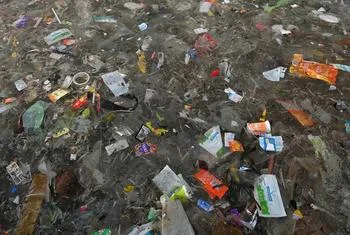
The Food and Agriculture Organization (FAO) issued a report on May 13, 2026, warning about food safety risks linked to the growing use of recycled plastics in food packaging worldwide [1]. The global food packaging market, valued at about $505 billion in 2024, is projected to reach $815 billion by 2030 as the use of recycled materials increases [2, 1].
Less than 10% of global plastic waste is currently recycled, but sustainability efforts aim to raise this share [2, 1]. Food packaging is key to preserving food quality, extending shelf life, and reducing waste [2, 1]. However, experts caution that recycled plastics used for food contact may contain chemical contaminants—such as metals, flame retardants, phthalates, and persistent organic pollutants—at higher levels than virgin plastics [2, 1]. Corinna Hawkes, Director of FAO Agrifood Systems and Food Safety Division, said, "We want to recycle more plastic, but we also want to make sure that by solving one problem we don't create new problems. Food safety must be a central consideration in the transition towards more sustainable agrifood systems and food consumption patterns" [1].
Ensuring the safety of recycled plastics requires strict cleaning, decontamination, and regulatory approval processes to match the safety of new plastics for food contact [2]. Bio-based packaging alternatives, such as plant fiber or protein-based materials, are gaining attention but need thorough evaluation due to risks like pesticide residues, allergens, toxins, and heavy metals [2, 1]. There are also rising concerns about microplastics and nanoplastics in food and drink. Yet, current regulatory tools for detecting these particles and assessing health risks remain inadequate [2]. Recycling methods themselves can generate microplastic pollution through mechanical fragmentation [2].
Regulatory approaches differ widely across countries, posing challenges to trade and consumer protection [2]. The FAO report calls for internationally harmonized regulations and global standards for recycled plastics in food packaging to enable science-based risk assessments and meet sustainability targets [2, 1].