FIFA canceled approximately 60 zero-priced tickets for the 2026 World Cup after a payment system error on its official site allowed fans to claim free tickets by mistake [1, 2, 3, 4, 5, 6, 7]. The affected tickets were mainly for group-stage matches held in Toronto, Canada [6, 7].
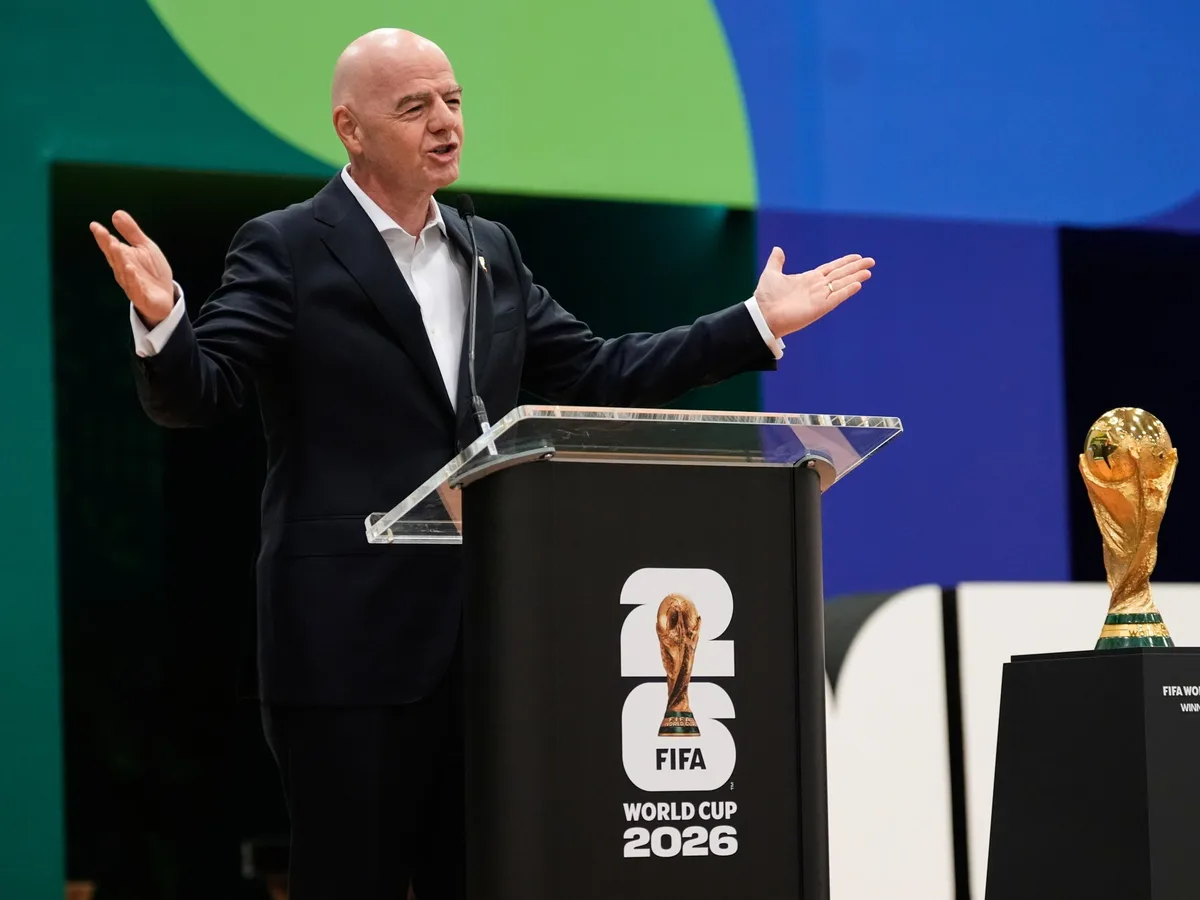
The mispriced tickets were sold on May 21, more than three months after FIFA president confirmed all 104 matches had sold out [3, 4]. FIFA notified about 60 fans on June 3, asking them to pay the correct full price within seven days or lose their seats [6, 7]. The organization publicly apologized for the mistake on June 5, saying, "The tickets requested by these fans remain reserved, and the affected fans have been invited to complete payment of the correct amount. FIFA regrets the error and any inconvenience caused" [3].
The error stemmed from a prior payment issue during checkout on the FIFA ticketing website [1, 2, 3, 4, 6]. Fans and media criticized FIFA’s handling, arguing that the system error should not penalize ticket buyers and pointing to inconsistent refund policies [7].
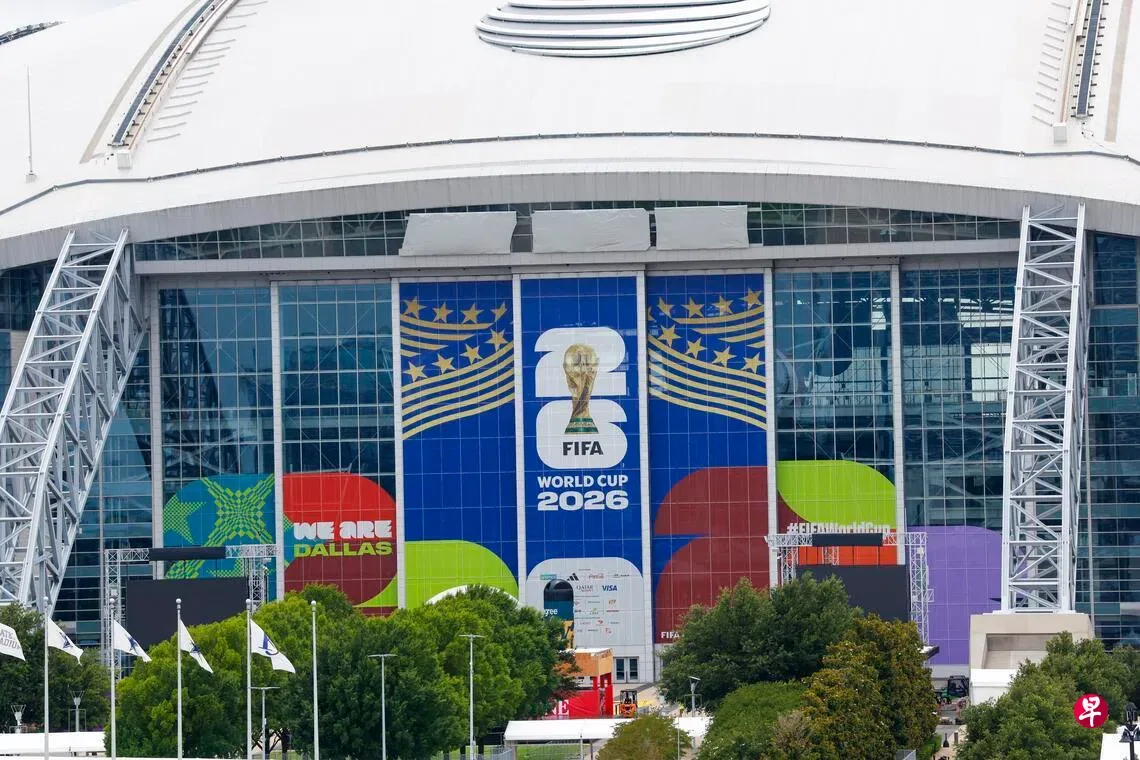
The 2026 World Cup will be hosted by the United States, Canada, and Mexico, featuring an expanded 48-team tournament with 104 matches from June 11 to July 19 [1, 2, 3, 4, 8]. FIFA announced dynamic pricing for tickets, setting prices higher than in past Cups, sparking controversy and drawing legal scrutiny in the U.S. [3, 4, 6, 9]. Paul Marshall, a soccer fan, said, "It was a shock when the prices came out. It's like three to four times [more], then when you look at matches like the final, it's even more, it's like eight times more. It was a shocker" [9].
To combat scalping, FIFA operates its own resale platform charging a 15% commission on transactions by buyers and sellers [3, 4]. Authorities in New York and New Jersey have subpoenaed FIFA over consumer protection concerns about ticket sales [1, 2, 3, 4, 6, 9].
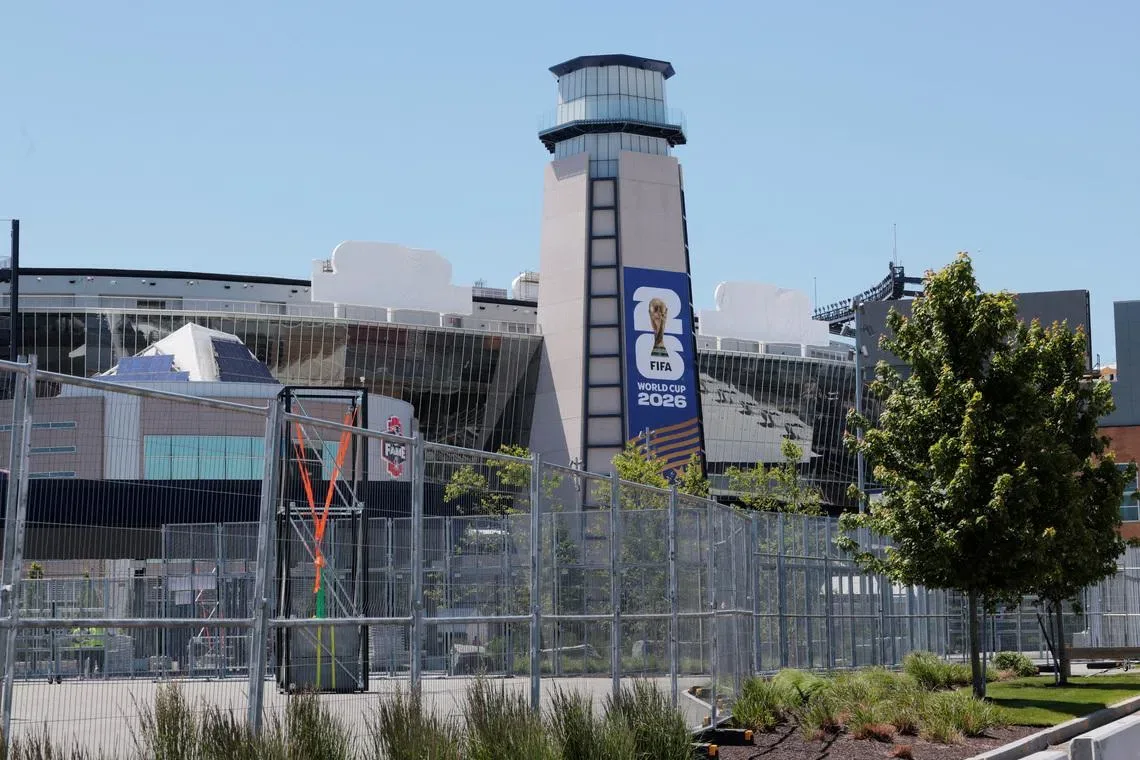
The World Cup will begin on June 11, with fans and teams preparing for the start across the three host nations [1, 2, 4, 8].