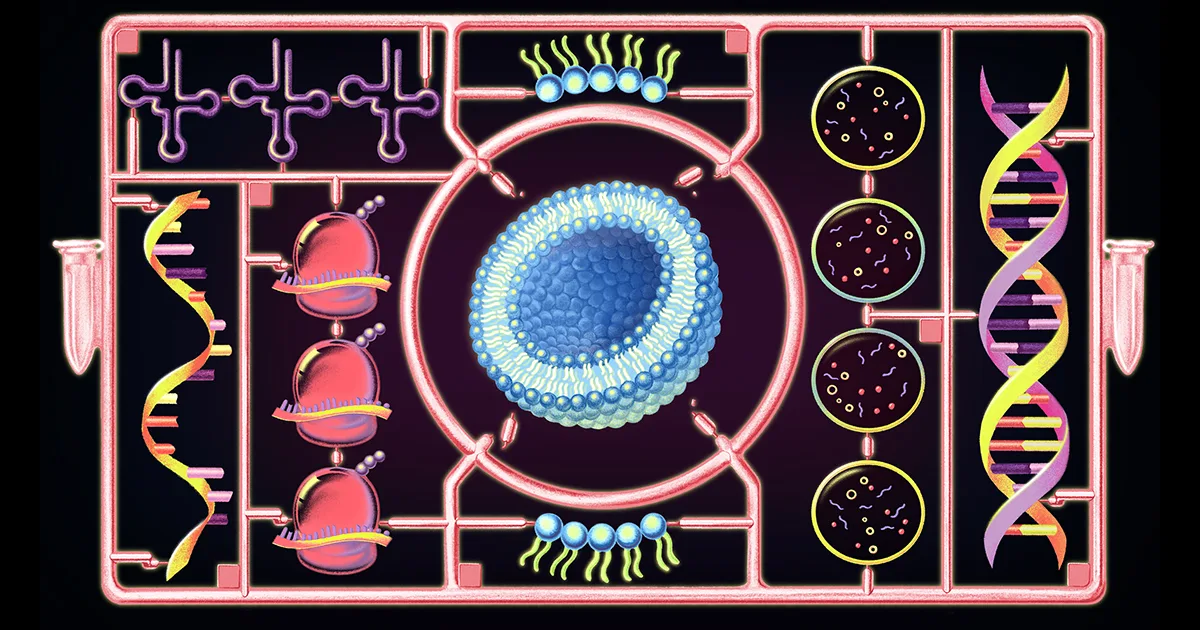
Researchers led by Dr. Kate Adamala at the University of Minnesota announced on July 1 the creation of synthetic cells called SpudCells that feed, grow, reproduce, and compete using DNA and chemical components assembled entirely in the lab [1, 2, 3]. The SpudCells demonstrate full cell cycle functions including genetic replication, growth, and splitting to produce subsequent generations [1, 4, 2, 3]. Adamala said, "It is not as robust, as fast, or as good at most of its functions as a natural cell, but it is proof of principle that molecules can reconstitute behaviours that up until now we only associated with natural living cells." [1]
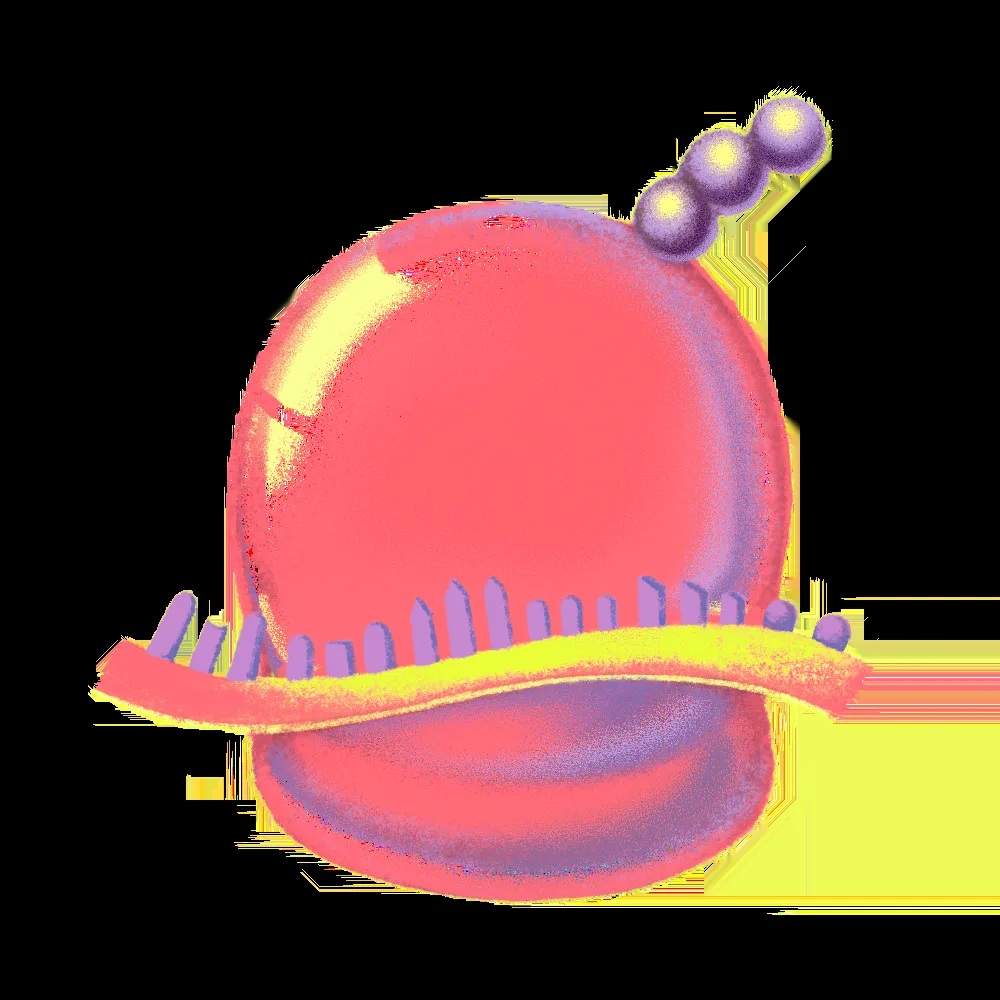
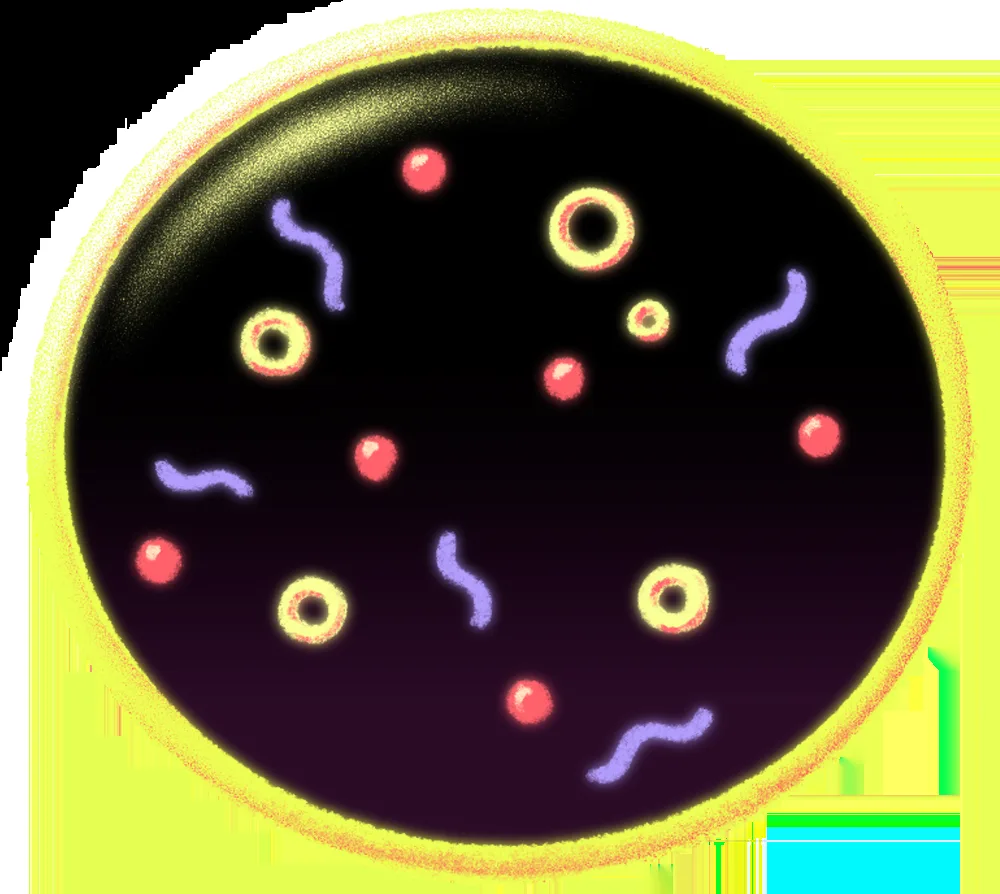
The SpudCells are not alive by traditional definitions, however. They cannot produce their own ribosomes and depend on a constant supply of nutrients and enzymes from feeder liposomes to survive and replicate [4, 2]. The team noted, "Life is not binary. That’s why I’m hesitant to call this ‘alive.’ There’s no clear line, as much as we would love it to be." [3]
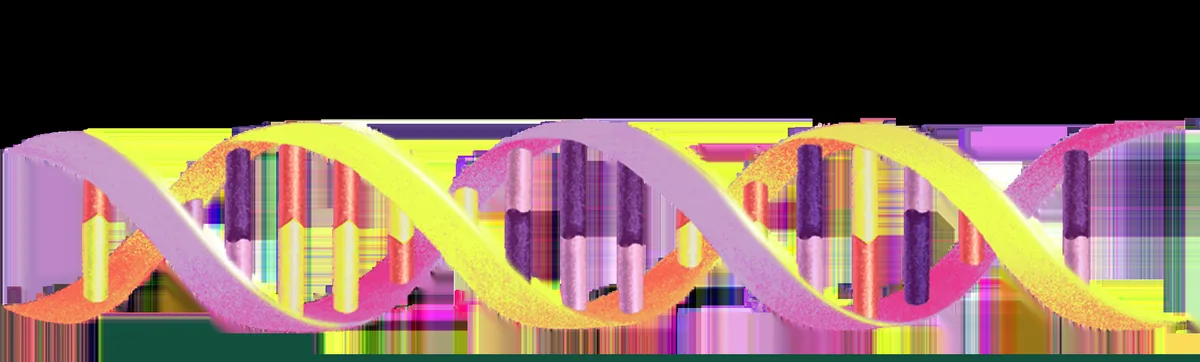
Their genome is small and fragmented — about 90,000 base pairs stretched over seven DNA molecules — compared with the 3 billion base pairs in the human genome [4]. This limited size restricts complete genetic inheritance, and SpudCells can sustain only 5 to 10 generations before losing viability due to reliance on externally provided components [4].
Biosecurity experts say there are currently no imminent safety risks from this synthetic cell technology. Becky McElprang, a biosecurity expert, called SpudCells "an exciting proof of concept but a lot of work remains to make it applicable—whether for good or ill." [4]
The research team, including Adamala and Drew Endy, posted a detailed 190-page report online and is organizing a nonprofit scientific community to accelerate synthetic cell research through future investments [3]. John Glass of the J. Craig Venter Institute said, "It is dazzling that she has put these things all together." [3] Jack Szostak added, "I don’t know of any other effort to put together an artificial cell from biological components that has progressed so far." [2]
Researchers plan to improve SpudCells by adding genetic instructions enabling them to build their own ribosomes, increasing the number of viable generations, and reducing their dependence on enzyme-rich nutrient solutions provided externally [4].